

Fast, Reliable Blown-In Insulation Across Cupertino
Most blown-in insulation jobs in Cupertino run $2,200-$5,800 for a typical 1,400-2,400 square foot ranch attic, and our crews usually start within 48 hours of your written estimate. We’re familiar with the low-pitched roofs along Monta Vista, the hillside lots off Stevens Canyon Road, and the flat tracts near Homestead Road where the marine layer doesn’t linger the same way. Call (650) 352-3577 for a free estimate with a written price before any work starts.
Why Topside Attic Insulation Palo Alto Is Cupertino’s Preferred Blown-In Insulation Company
We’ve sealed and insulated more than 9,000 homes since 2016, and a significant share of them sit in Cupertino’s 95014 and 95015 zip codes. The pattern we see: tech-sector homeowners who bought a 1960s or 1970s ranch, pulled a permit for a kitchen expansion or ADU conversion, and suddenly need documented insulation performance to satisfy Title 24 and CALGreen compliance. They don’t want a sales pitch. They want blower-door numbers, thermal imaging, and a written scope they can hand to the city plan-checker.
Our response time to Cupertino averages same-day or next-day for estimates, with crews dispatched from our San Francisco Bay Area office. Calls are answered by a live person 24/7, and every visit includes a Documented Photo Record. Reviews from Cupertino customers consistently mention the before-and-after blower-door readings we publish on every applicable job, and the 365-Day Done Right Promise backed by a written warranty delivered before anyone lifts a tool.
Under Haven Standard: Arrive on schedule, you get a named technician and a text when they are on the way.
Our Blown-In Insulation Services in Cupertino
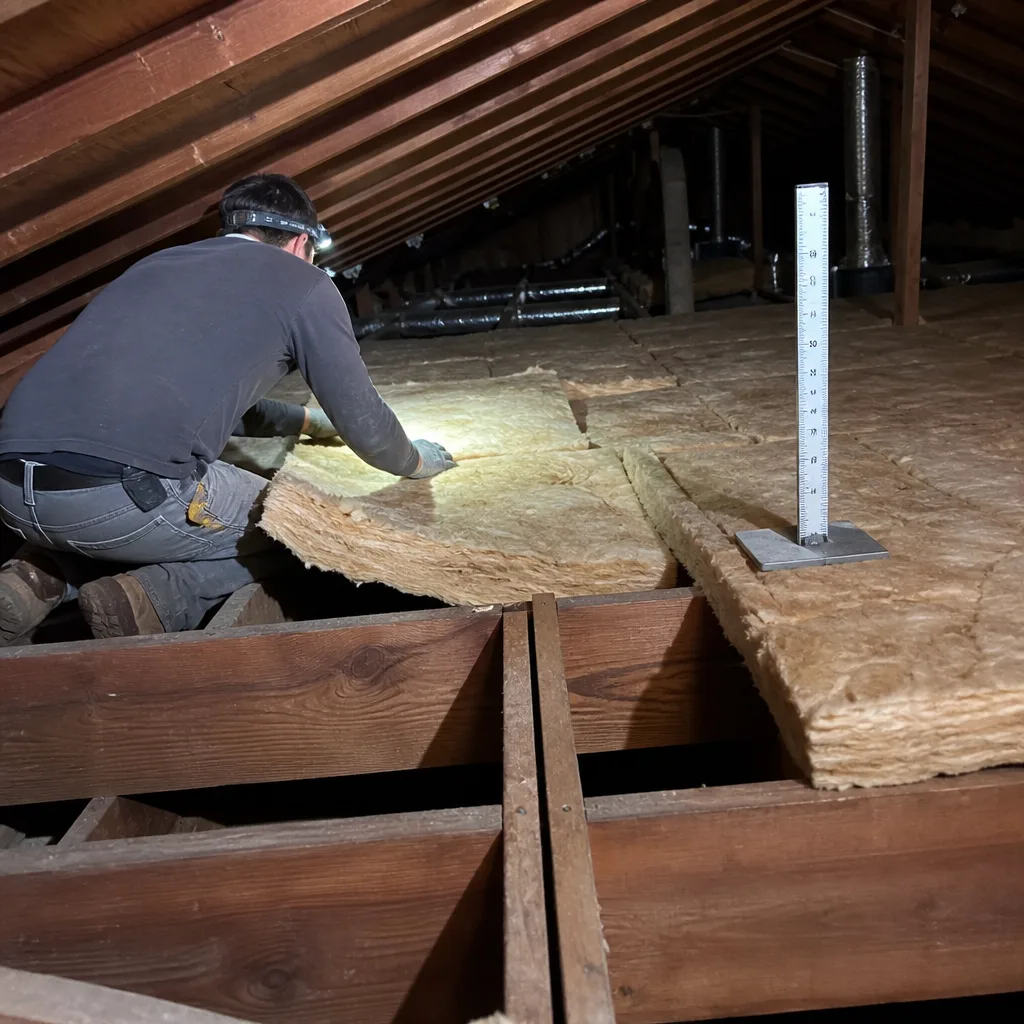
Blown-In Cellulose
Blown-in cellulose in Cupertino typically costs $2.40-$3.20 per square foot of attic floor, and we source it from GreenFiber and Owens Corning. Cellulose performs well on the flat, low-pitched ranch roofs that dominate Cupertino’s 1960s tracts because it packs into irregular joist bays without the wind-wash issues that can plague loose fiberglass near vented soffits. On hillside lots off Foothill Boulevard or near Rancho Rinconada, we pair it with a vapor-retarder upgrade because the marine layer pushes moisture into crawl spaces that stay cooler than the San Jose grid to the east.
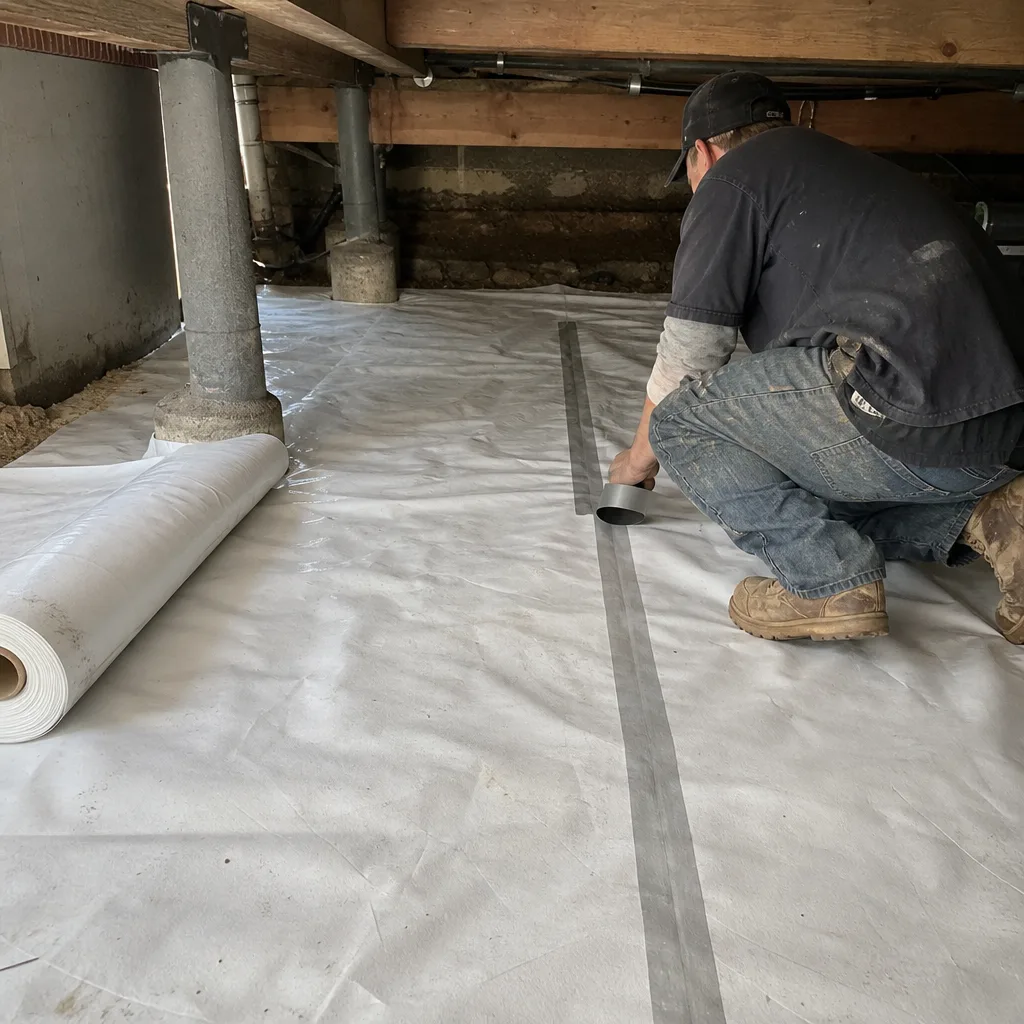
Blown-In Fiberglass
Blown-in fiberglass runs $2.20-$3.00 per square foot in Cupertino, with moisture-resistant varieties from Johns Manville specified for west-facing wall cavities and marine-layer-exposed crawl spaces. Fiberglass doesn’t absorb moisture the way cellulose can, which matters on Cupertino’s hillside ranches where overnight condensation is a real specification decision, not a formality. We used it on that 1968 ranch off Monta Vista, dense-packing the west wall with moisture-resistant fiberglass before blowing the main attic field, because the homeowner needed HERS documentation for his Title 24 permit and couldn’t afford a moisture call-out on the first inspection.
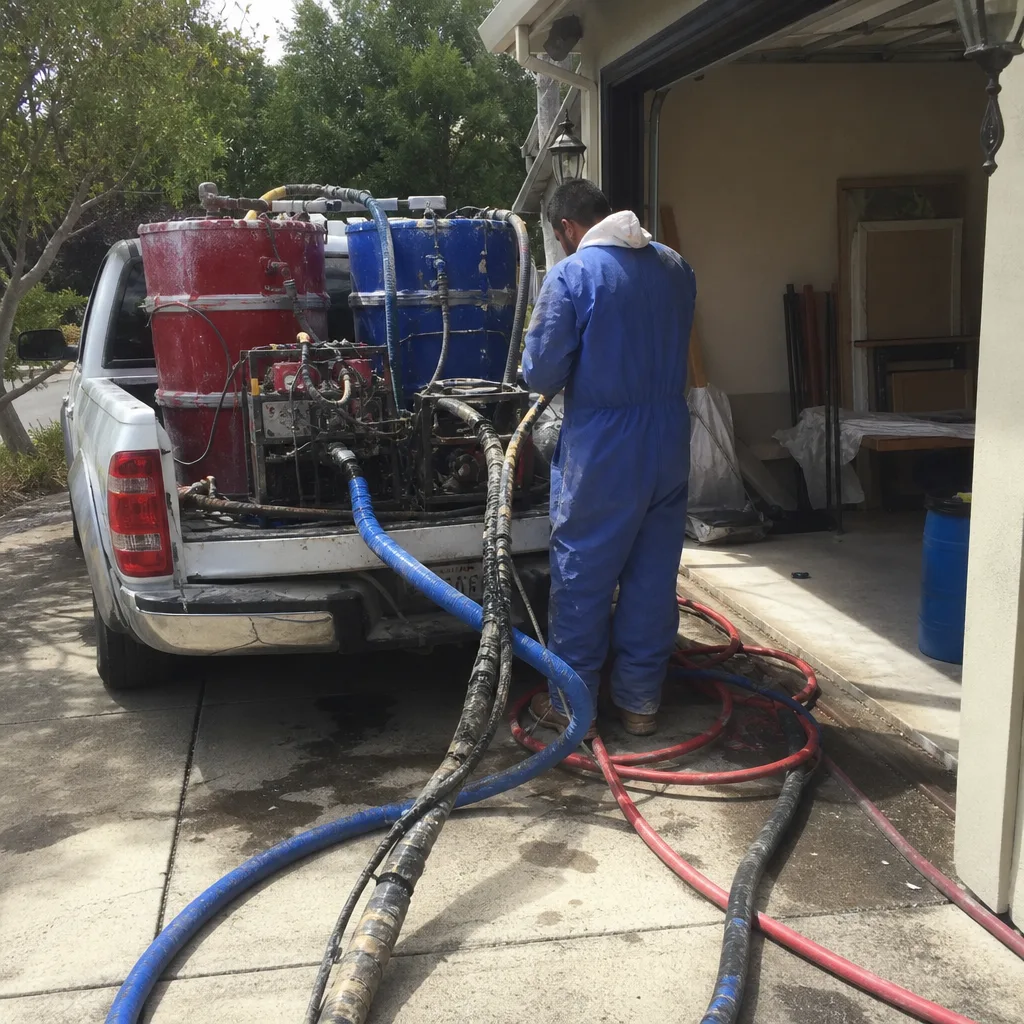
Dense-Pack Wall Insulation
Dense-pack wall insulation in Cupertino costs $3.50-$5.50 per square foot of wall area, and it’s the only way to meet Title 24 prescriptive minimums in a 1955-1982 ranch with empty or degraded R-11 batts. Standard loose fill at delivered density won’t pass plan-check. Our crews drill and fill from the exterior, pack to 3.5 pounds per cubic foot for cellulose or 1.6 pounds for fiberglass, and document the coverage with thermal imaging that shows the whole thermal envelope in one report. This is the scope that turns a Cupertino insulation job into a documented energy-audit event.
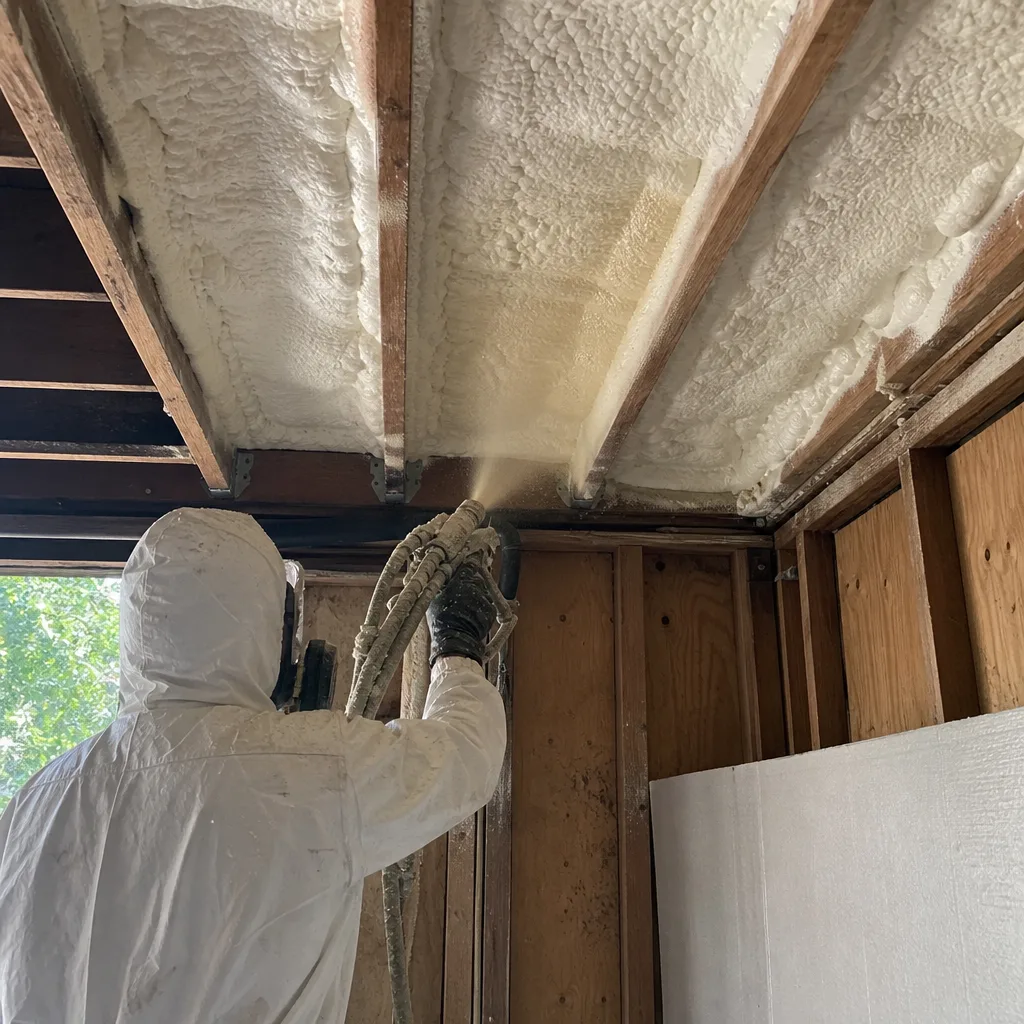
Blown-In Top-Up
A blown-in top-up in Cupertino runs $1,800-$3,200 for most ranch attics, but it’s never just an R-value decision here. Because Cupertino’s original R-11 wall batts were stapled in 1955-1982 ranch cavities that now sit a few marine-layer miles from the Santa Cruz Mountain toe, our blown-in top-offs add a vapor-retarder decision, not just an R-value target. Hillside-side crawl spaces condensate while the flat San Jose grid to the east does not. Raking the top-off too thin against a low-pitched roof deck leaves the west marine-layer side under-insulated and condensation-prone. We measure, we specify, we document.
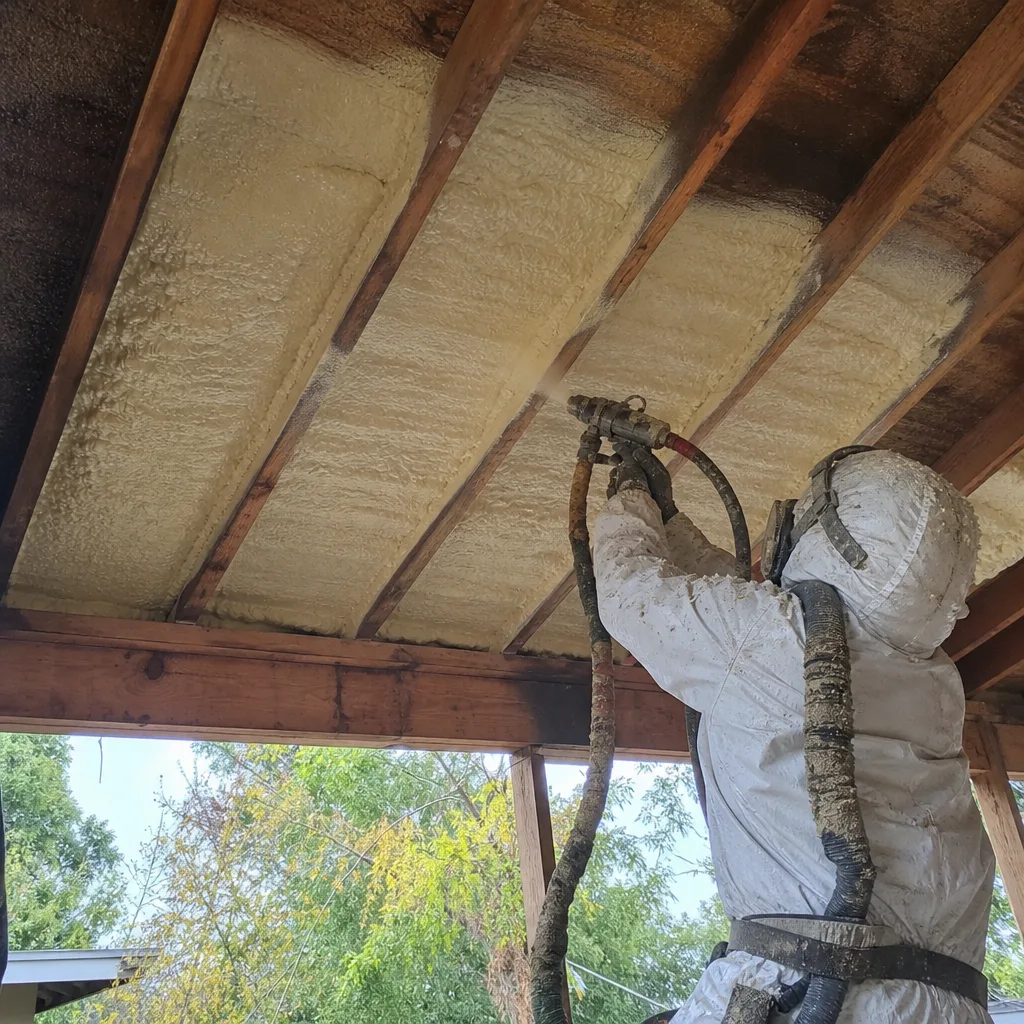
What happens when you call
- 1
A real person answersNo phone trees - you reach a local pro.
- 2
You get an upfront price rangeHonest numbers before anyone is dispatched.
- 3
A background-checked tech heads outLicensed & insured, dispatched right away.
- 4
You approve before work beginsNothing starts until you say go.
Trusted Brands We Service in Cupertino
We stock and install materials from Owens Corning, Johns Manville, and GreenFiber, with no proprietary product lock-in. For Cupertino homeowners, this means we can match the insulation spec to the actual condition of the home rather than pushing whatever’s on the truck. Moisture-resistant fiberglass from Johns Manville for hillside marine-layer exposure. Dense-pack cellulose from GreenFiber for Title 24 wall compliance. Standard or high-R loose fill from Owens Corning for flat-attic top-offs. We carry local inventory for common Cupertino ranch configurations, so most jobs start within a week of the written estimate.
Common Blown-In Insulation Problems We See in Cupertino Homes
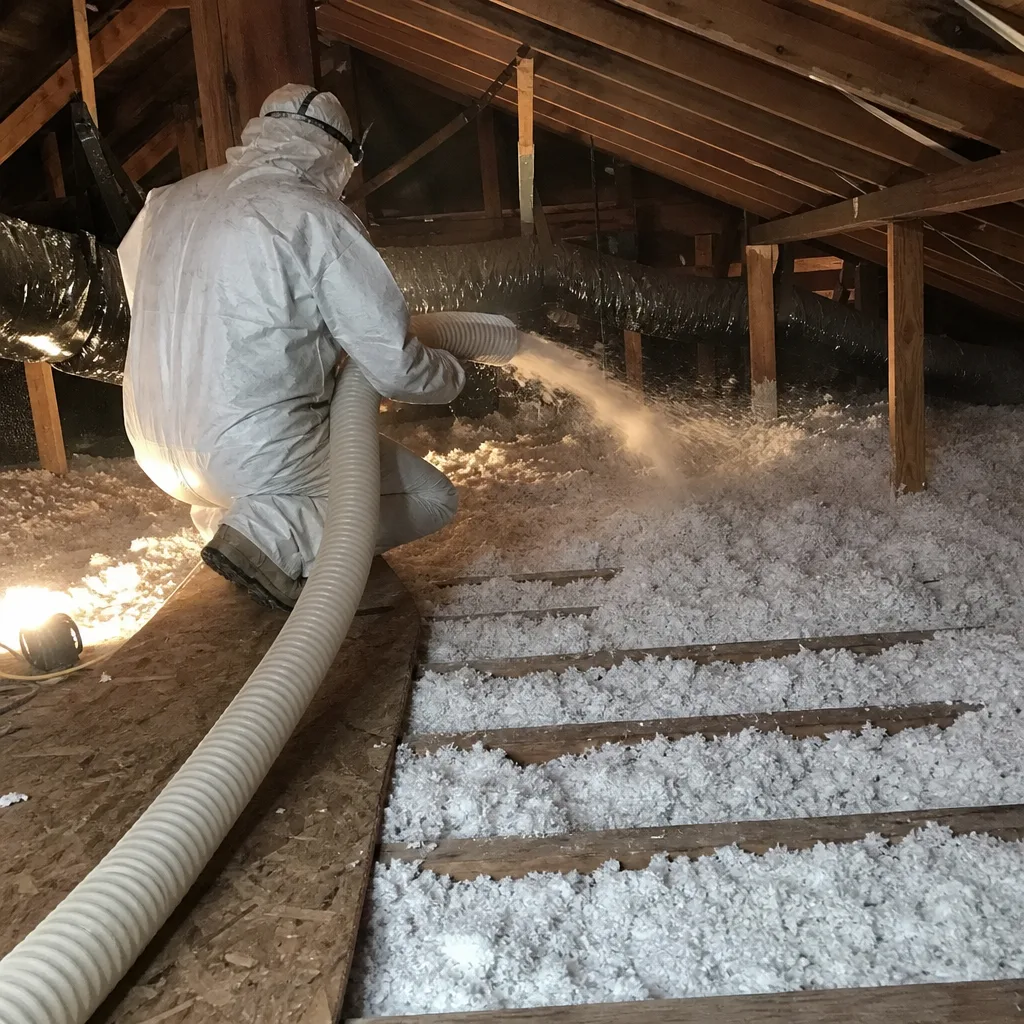
- Raking top-offs too thin against low-pitched ranch roof decks. Cupertino’s 1960s tracts are full of 3:12 and 4:12 pitches with limited heel height. A thin rake leaves the west marine-layer side of the attic under-insulated and condensation-prone, especially near Monta Vista and Rancho Rinconada where the fog lingers.
- Blowing standard loose fill into vented crawl spaces along hillside lots. The marine layer drops the dew point below what you’d see in Sunnyvale or Santa Clara. Standard cellulose or fiberglass without vapor-retarder pairing can hit dew point in the joist bay and create a mold condition that doesn’t show until the homeowner smells it.
- Leaving wall cavities at delivered loose-fill density instead of dense-packing. Title 24 prescriptive minimums fail the first plan-check, the homeowner eats a re-inspection trip, and the permit clock keeps running. We see this from cut-rate crews who don’t own a dense-pack machine.
- Skipping the blower-door test entirely. Cupertino’s tech-sector renovation clients increasingly demand HERS ratings and documented air-sealing performance. A blown-in job without before-and-after pressurization readings is just a pile of material with no proof it works.
Pricing for Blown-In Insulation in Cupertino, CA
Here’s what blown-in insulation costs in Cupertino’s current market:
| Service | Typical Range |
|---|---|
| Blown-in cellulose attic (1,400-2,400 sq ft) | $2,200-$4,800 |
| Blown-in fiberglass attic (1,400-2,400 sq ft) | $2,000-$4,400 |
| Dense-pack wall insulation (per sq ft of wall) | $3.50-$5.50 |
| Blown-in top-up (typical ranch attic) | $1,800-$3,200 |
| ADU/garage conversion (full Title 24 scope) | $4,500-$9,500 |
What moves the number: attic accessibility (low-pitched Cupertino ranches with limited scuttle openings add labor), whether air sealing of top plates and can lights is needed before blowing, vapor-retarder specification for marine-layer exposure, and whether the job requires HERS documentation and thermal imaging for permit compliance. Every estimate is a flat written price with scope and warranty included before anyone lifts a tool. Free Second Opinion on any written estimate from another contractor. Call (650) 352-3577 for an exact quote.
We Also Serve Cities Near Cupertino
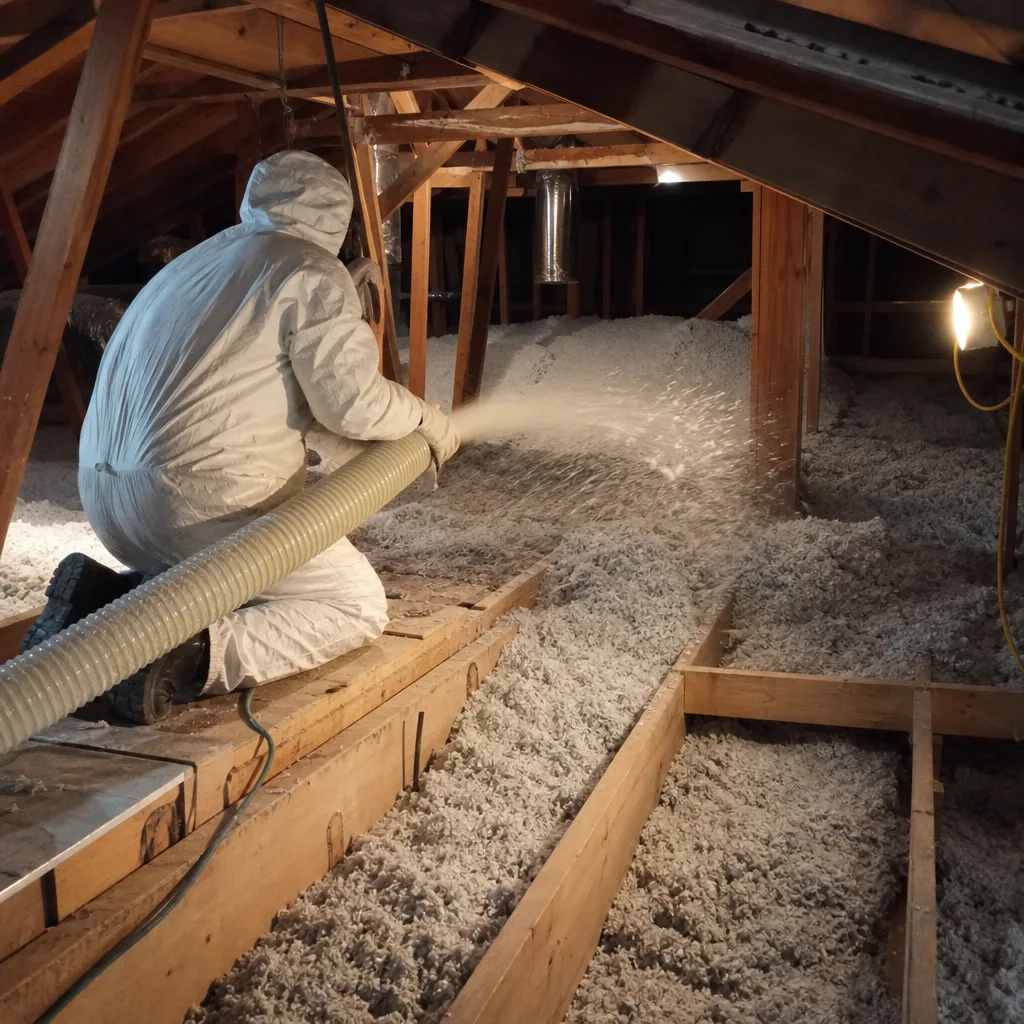
Our crews work Cupertino regularly and also handle blown-in insulation in Saratoga, Sunnyvale, Mountain View, and Santa Clara. Each city gets the same written-price-first protocol and documented photo record, with local specs adjusted for actual conditions. Our Blown-In Insulation team coordinates dispatch from our San Francisco Bay Area office.
Serving Cupertino, CA - Our Local Coverage Area
We’re based in the Cupertino area and know this community well. Use the map below to see our service coverage - if you’re nearby, we can almost certainly help.
FAQs - Blown-In Insulation in Cupertino
Yes. Cupertino adopts California’s Title 24 energy code, and permitted remodels, additions, and ADU conversions must meet prescriptive insulation minimums or performance-path compliance verified by a HERS rater. We provide blower-door readings, thermal imaging, and written scope documentation that satisfies plan-check requirements in a single submittal. Call (650) 352-3577 if your permit is pending and you need the insulation scope written to spec.
Marine-layer exposure differs significantly. West and hillside neighborhoods near Stevens Canyon or Monta Vista see heavier fog intrusion and cooler overnight temperatures than the flat grid near Homestead Road or De Anza Boulevard. That changes vapor-retarder specification and insulation product selection. A flat-attic spec that works in Sunnyvale can create condensation problems on a Cupertino hillside ranch. We measure moisture conditions and specify accordingly.
Yes, and it’s a common scope here. California’s ADU laws and Cupertino’s extreme housing costs have produced a steady wave of garage conversions and detached backyard units. These present concrete-slab garages and uninsulated wood-framed walls that must be brought to full Title 24 prescriptive minimums with city plan-check documentation. Dense-pack wall insulation, rim-joist sealing, and attic blown-in over the converted space are standard. The scope is more complex and more lucrative than a standard attic top-off, and it requires the full documentation package we deliver on every job.
It proves the air sealing worked. A blower-door test is a pressurization reading that shows, in one number, how much conditioned air your building envelope is losing. We test before air sealing and after, publish both numbers, and the homeowner sees the performance change they paid for. In Cupertino’s permit-driven renovation market, this documentation is often required by the homeowner’s lender, their HERS rater, or the city inspector. Without it, you’re just trusting that the crew sealed what they said they sealed.
Fiberglass handles moisture exposure better on west-facing and marine-layer-exposed slopes. Cellulose packs tighter into irregular joist bays and achieves higher settled density for the same installed thickness. On a typical Cupertino ranch with a low-pitched roof and limited heel height, we often specify cellulose for the main attic field and moisture-resistant fiberglass for the west wall cavities or any knee-wall space that sees fog exposure. The right spec depends on what the attic and crawl space actually measure, not on brand preference.
Written by Wes Okafor, Owner at Topside Attic Insulation Palo Alto, serving Cupertino since 2016.