

Fast, Reliable Spray Foam Insulation Across Cupertino
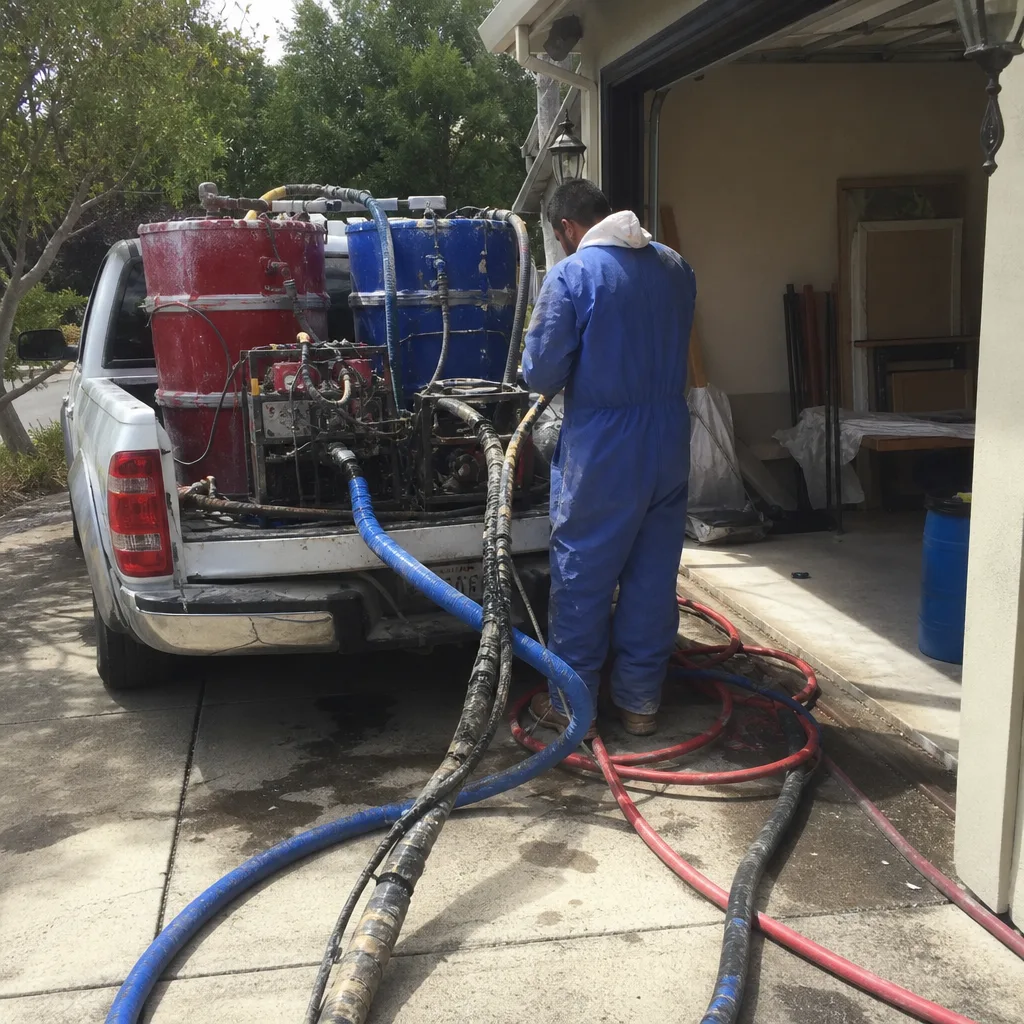
Spray foam insulation in Cupertino typically runs $2.80-$5.40 per board foot depending on open-cell or closed-cell selection, and most residential jobs are completed in one day with the crew arriving between 7 and 8 a.m. We’re familiar with the specific conditions that shape Cupertino homes: the 1960s ranch tracts off Stevens Creek Boulevard, the hillside builds near Montebello Road that catch heavier marine-layer moisture, and the steady stream of garage-to-ADU conversions triggered by state law and local housing demand. Our crews dispatch from the San Francisco Bay Area office and carry both open-cell and closed-cell rigs, so we don’t waste a trip figuring out what the wall cavity or rim joist actually needs. Call (650) 352-3577 for a written price before anyone starts - that’s Haven Standard Clause 1, no exceptions.
Why Topside Attic Insulation Palo Alto Is Cupertino’s Preferred Spray Foam Insulation Company
We’ve sealed and insulated over 9,000 homes since 2016, and a significant share of those have been in Santa Clara County’s western corridor. Cupertino homeowners tend to research thoroughly before calling - they read three-star reviews as carefully as five-star ones, and they want documentation, not promises. We deliver that: every job closes with a Documented Photo Record, and applicable jobs include before-and-after blower-door numbers so you can see the performance change in a single figure.
Our response time to Cupertino is typically same-day or next-day for estimates, with crews carrying materials from Owens Corning, Johns Manville, and Demilec so we’re not waiting on a distributor run. Live dispatch answers calls 24/7 - no voicemail loops, no callback windows measured in business days.
What distinguishes our work in Cupertino specifically is the marine-layer split: hillside and western neighborhoods get heavier moisture intrusion than the flat San Jose grid to the east, so our Cupertino spray foam jobs routinely pair closed-cell at the rim and crawl with open-cell in the attic volume. Most flatland contractors never have to think about this. We do, because we’ve seen what happens when closed-cell gets sprayed over a moist crawl-space rim without a vapor-retarder plan - condensation traps against 1960s framing and rots the sill plate.
Under our 365-Day Done Right Promise, if it’s not done right, we make it right. That promise is backed by a written scope and written warranty delivered before anyone lifts a tool.
Our Spray Foam Insulation Services in Cupertino
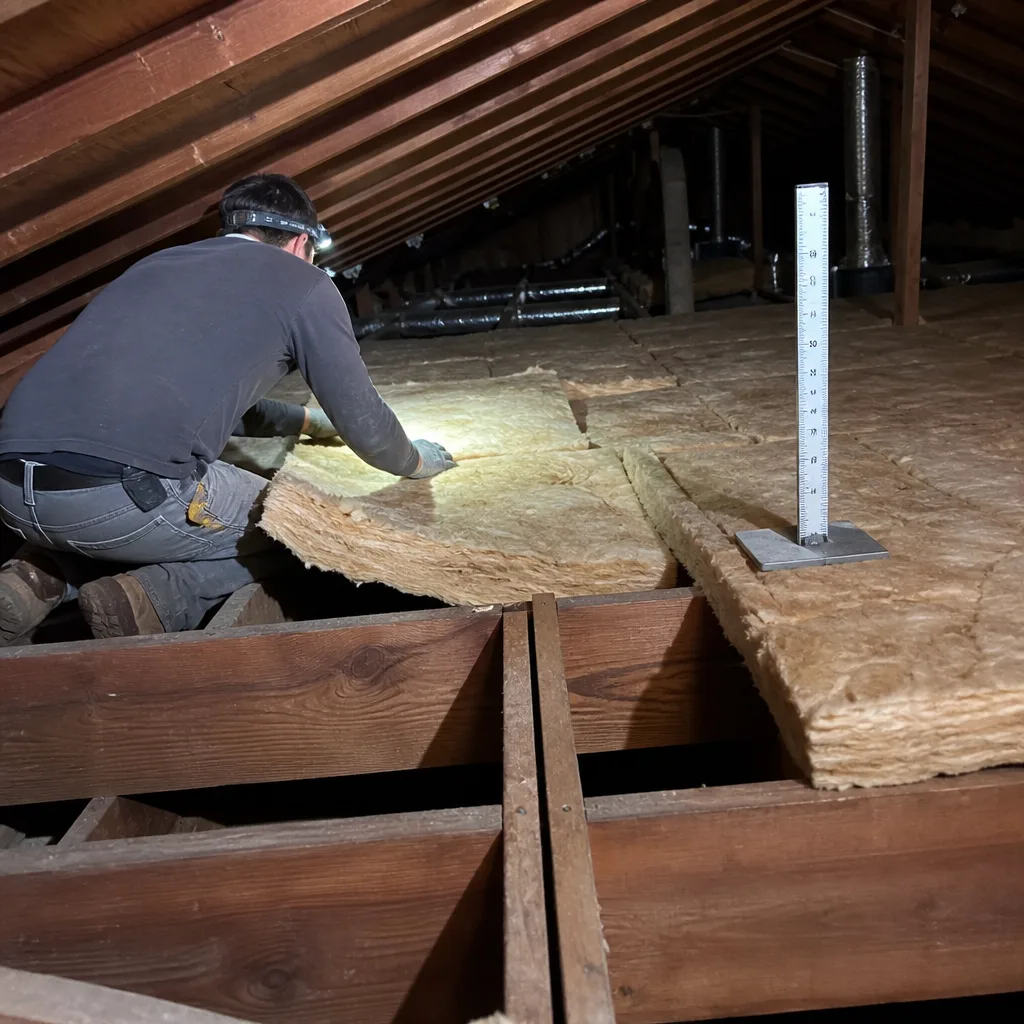
Closed-Cell Spray Foam
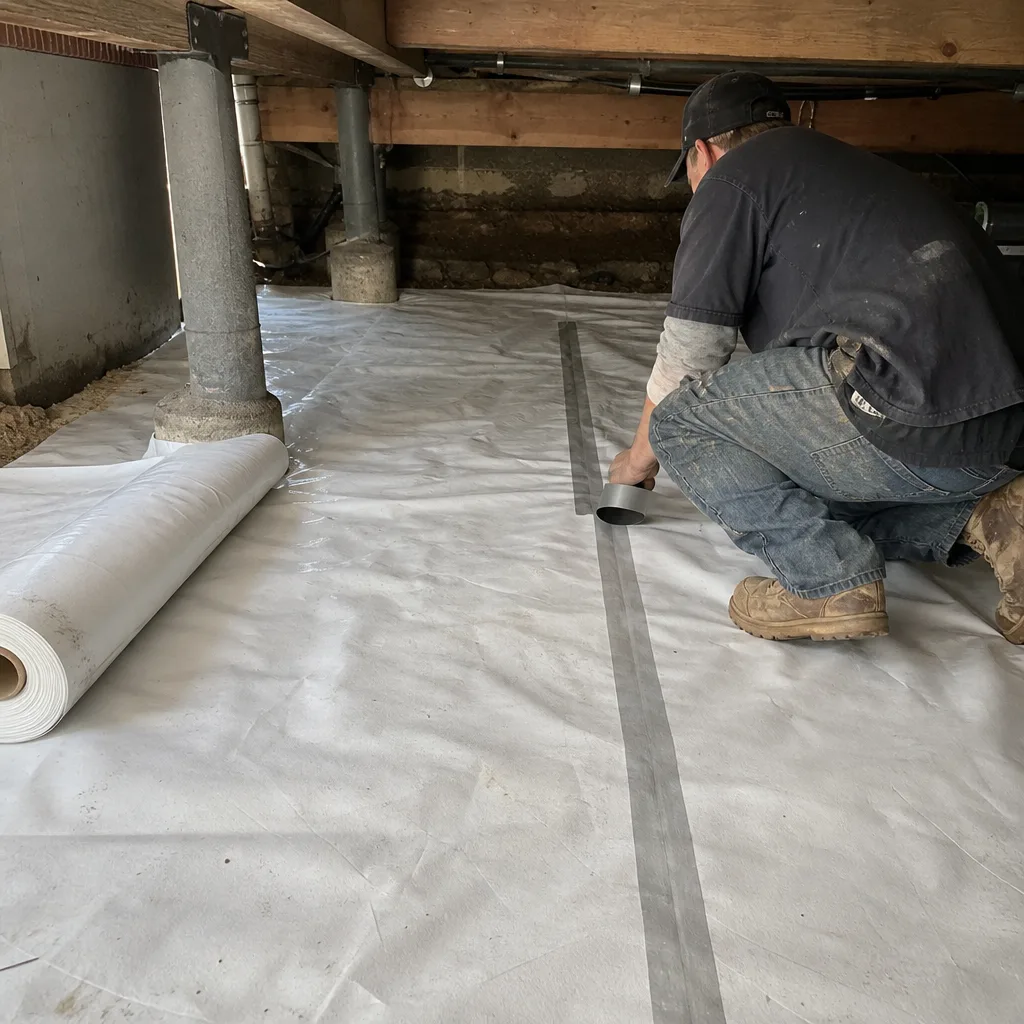
Closed-cell spray foam in Cupertino runs $4.20-$5.40 per board foot and delivers R-6.5 per inch with a built-in vapor retarder. We specify it for rim joists, crawl-space walls, and any application where the marine layer keeps wood framing damp through the cooler months. In Cupertino’s hillside neighborhoods near the Santa Cruz Mountains foothills, closed-cell is often non-negotiable at the foundation perimeter - it’s the only product that both insulates and blocks the moisture wicking up from crawl-space soil and perimeter drainage. A typical Cupertino rim-joist treatment runs $1,800-$3,200 depending on linear footage and access.
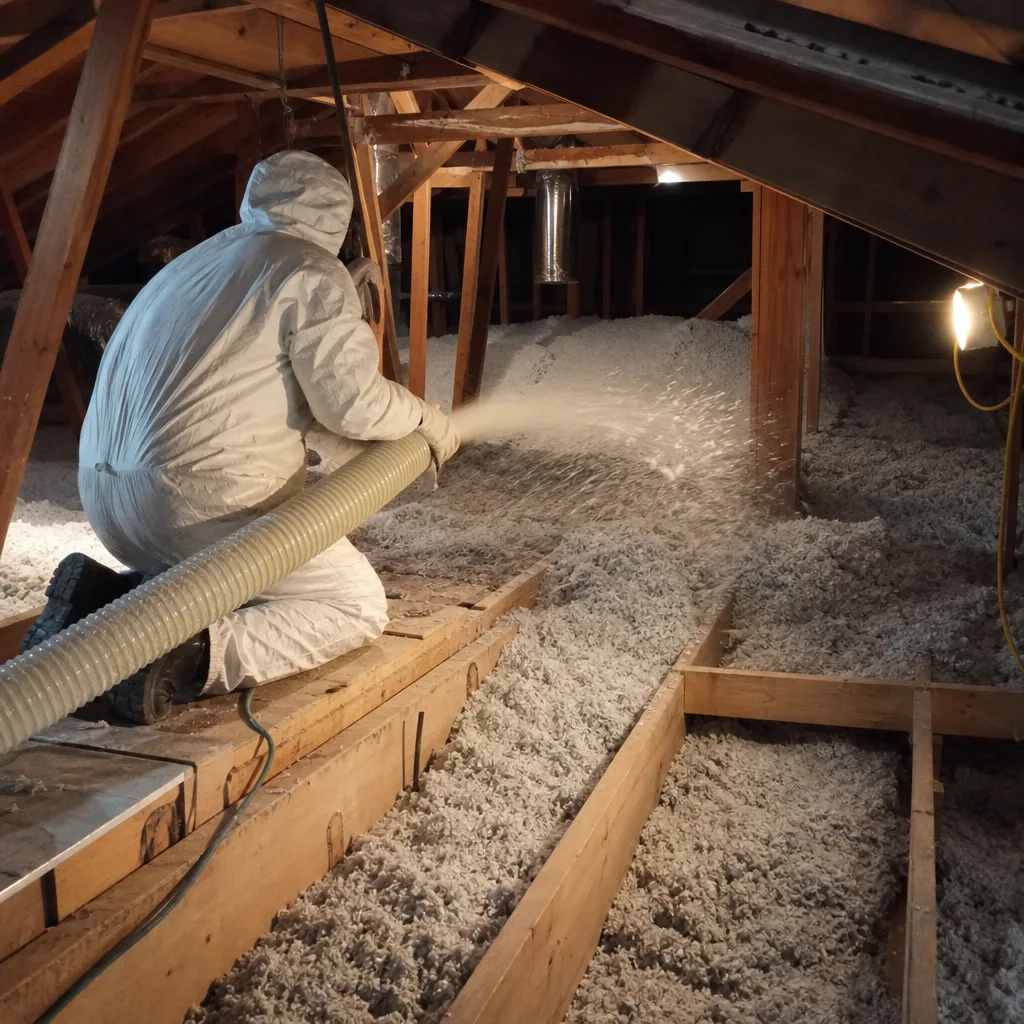
Open-Cell Spray Foam
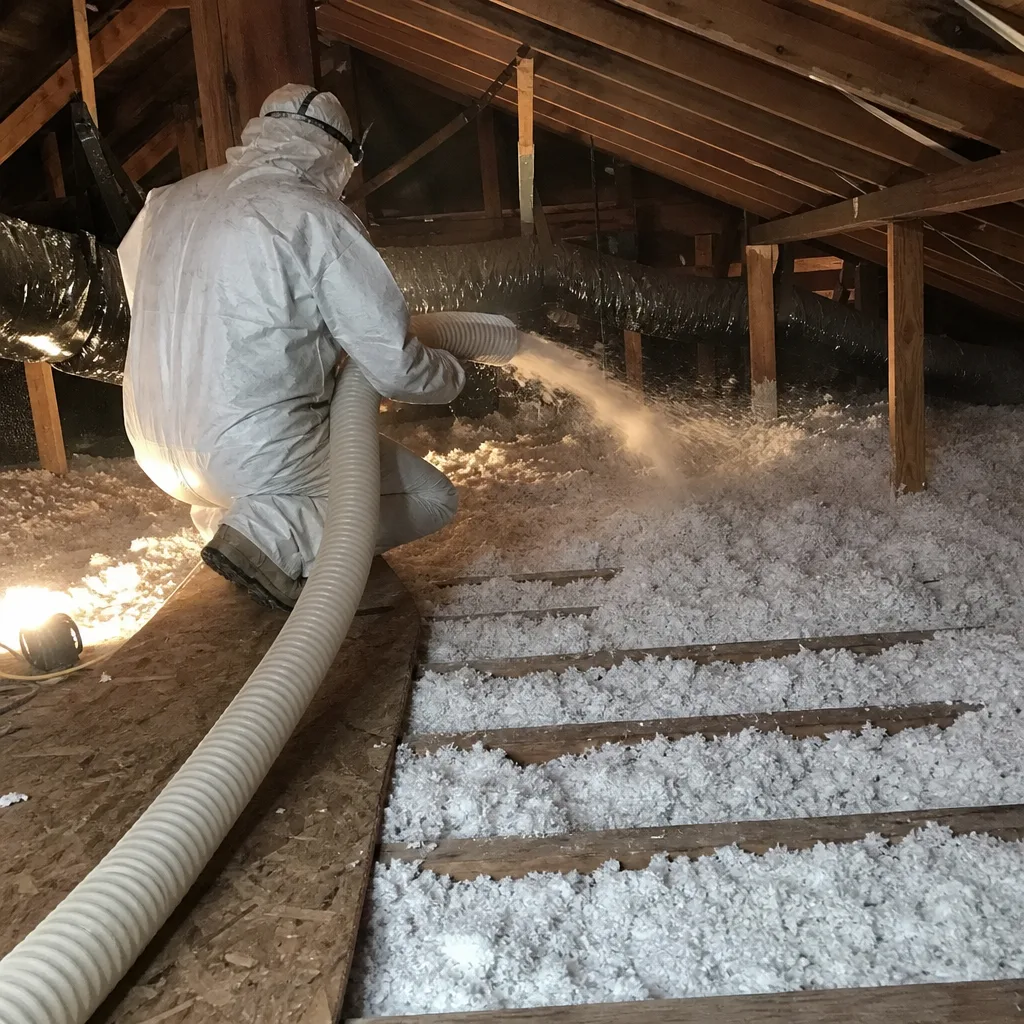
Open-cell spray foam in Cupertino costs $2.80-$3.60 per board foot and provides R-3.6 per inch with vapor permeability - meaning it lets assemblies dry to the interior, which is exactly what you want in a vented attic. We use it for roof decks and wall cavities in Cupertino’s 1955-1982 ranch tracts, but only after we’ve verified soffit ventilation isn’t choked. These homes were designed around airflow. Open-cell applied too thick without re-venting kills that airflow and traps summer attic heat. Our crews check soffit baffling before the rig starts.
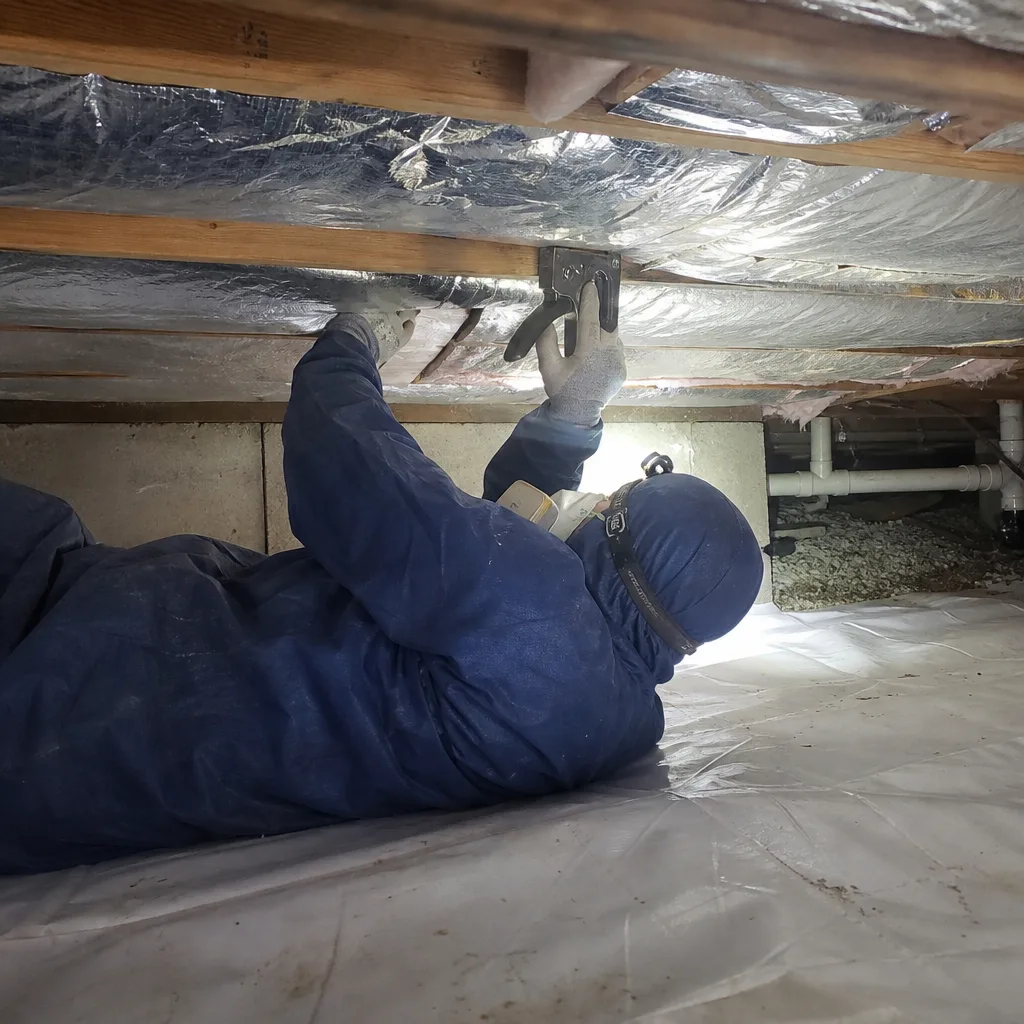
Rim Joist Spray Foam
The rim joist - the perimeter band where the foundation meets the first floor - is the leakiest square footage in most Cupertino homes. Original 1960s construction left these cavities empty or stuffed with degraded fiberglass batts. We flash rim joists with 2-3 inches of closed-cell, which hits R-13+ and creates an air seal in one pass. Typical Cupertino rim-joist jobs run $1,800-$3,200. We ran a garage-to-ADU conversion off Byrne Avenue where the concrete-slab garage had uninsulated wood-framed walls and the plan-check file demanded full Title 24 prescriptive minimums - so we flashed the rim joist with closed-cell, filled the 2×4 wall cavities with open-cell, and hit the HERS verifier’s target on the first blower-door pass. The homeowner, a hardware engineer, also wanted thermal-imaging stills for his records, so we documented the rim and attic roof deck panels before we packed up.
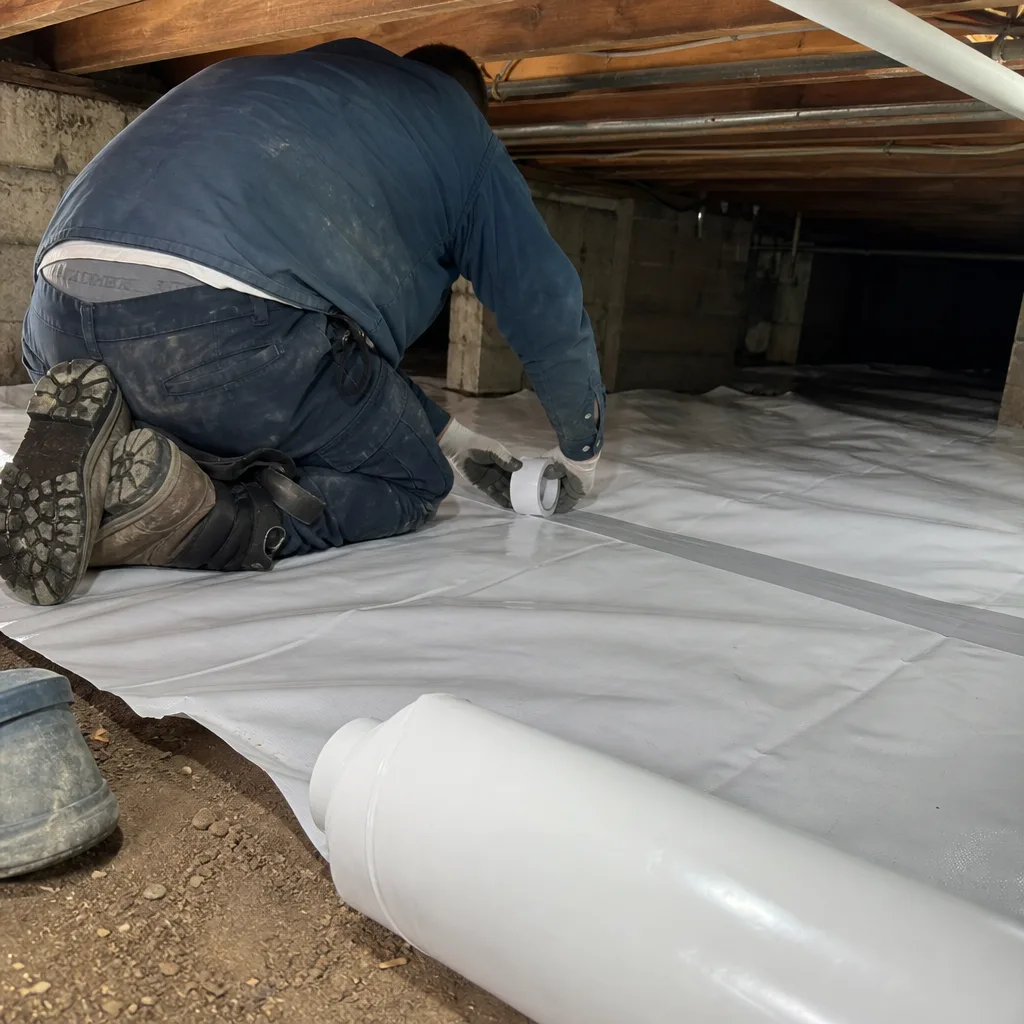
Garage Ceiling Spray Foam
Garage ceiling spray foam in Cupertino has shifted from a comfort upgrade to a code requirement for ADU conversions. The city plan-check demands R-19 minimums in garage ceilings that now serve as conditioned-floor assemblies for the unit above. We typically spec open-cell at 5.5 inches in 2×6 joist bays, or closed-cell at 3 inches if moisture control is a concern. A standard two-car garage ceiling in Cupertino runs $2,400-$4,100. We bring the rig, the material, and the documentation - thermal imaging, blower-door protocol, photo record - so the inspector sees compliance, not a conversation.
Spray Foam Roof Deck
Spray foam applied directly to the roof deck converts a vented attic into a conditioned, semi-conditioned space - useful for Cupertino homes where HVAC ductwork runs through the attic and loses 15-25% of its thermal energy to extreme attic temperatures. We typically spec open-cell at 5.5-7 inches for roof decks in Cupertino’s low-pitched ranch tracts, with careful attention to soffit intake and ridge exhaust balance. A typical 1,600-square-foot roof deck runs $5,500-$9,200.
What happens when you call
- 1
A real person answersNo phone trees - you reach a local pro.
- 2
You get an upfront price rangeHonest numbers before anyone is dispatched.
- 3
A background-checked tech heads outLicensed & insured, dispatched right away.
- 4
You approve before work beginsNothing starts until you say go.
Trusted Brands We Service in Cupertino
We source spray foam systems from Owens Corning, Johns Manville, and Demilec - no proprietary lock-in, no single-source dependency. Our Cupertino crews carry stock for both open-cell and closed-cell applications, so material availability doesn’t delay your job. If a specific HERS verifier or city inspector has a preference for a particular foam certification, we can match it. The documentation you receive includes manufacturer data sheets, lot numbers, and application thickness readings, all part of the Documented Photo Record included on every visit.
Common Spray Foam Insulation Problems We See in Cupertino Homes
- Closed-cell sprayed over moist marine-layer crawl-space rim without a vapor-retarder plan. Cupertino’s western neighborhoods catch heavier marine-layer intrusion than the flat San Jose grid. When closed-cell traps that moisture against 1960s sill plates, the rot isn’t visible for two to three years. We specify closed-cell with intentional drying strategy, not just R-value.
- Open-cell applied too thick in low-pitched 1955-1982 vented attics without re-venting. These ranch tract homes were designed around soffit-to-ridge airflow. Choke that with oversprayed open-cell and summer attic temperatures spike, accelerating shingle degradation and forcing the AC to work harder.
- Slab-on-grade ADU garages get batts or thin foam that never reach Title 24 prescriptive minimums. The city plan-check re-inspection fails, the homeowner schedules a second trip, and the project timeline slips. We spec to code minimums plus documentation on the first pass.
- Mixing foam types without addressing the thermal boundary continuity. Cupertino’s renovation-driven market means homeowners often phase work - attic now, walls later. We mark the thermal boundary on plans and photos so the next contractor doesn’t create a discontinuity that voids the HERS rating.
Pricing for Spray Foam Insulation in Cupertino, CA
Here’s what spray foam insulation costs in Cupertino’s current market:
| Application | Material | Price Range |
|---|---|---|
| Open-cell spray foam (attic, walls, roof deck) | $2.80-$3.60 / board foot | Typical whole-attic job: $4,200-$7,800 |
| Closed-cell spray foam (rim joist, crawl space, moisture zones) | $4.20-$5.40 / board foot | Typical rim-joist job: $1,800-$3,200 |
| Garage ceiling (ADU conversion) | Open-cell or closed-cell | $2,400-$4,100 |
| Roof deck (conditioned attic) | Open-cell at 5.5-7″ | $5,500-$9,200 |
| Whole-home spray foam (typical 1,800 sq ft ranch) | Mixed spec | $8,500-$16,000 |
What moves the number: access difficulty (crawl-space height, roof pitch), existing insulation removal, air-sealing scope before foam goes in, and whether Title 24 documentation requires HERS verification. We don’t blow insulation over an unsealed attic floor - air sealing of top plates, can lights, and penetrations is completed first, then insulated. That’s not an upsell; it’s the sequence that makes the blower-door number meaningful.
Every estimate is free, written, and delivered before any work starts. Bring us a competing quote and we’ll read it with you - Free Second Opinion on any written estimate.
We Also Serve Cities Near Cupertino
Our crews work throughout the western Santa Clara Valley, including Cupertino‘s neighboring cities: Saratoga to the southwest, Sunnyvale to the north, Mountain View to the northwest, and Santa Clara to the east. Dispatch and scheduling are coordinated from our San Francisco Bay Area office, with local crews serving each market. If you’re comparing Spray Foam Insulation contractors across the region, the same Haven Standard applies - written price, documented record, blower-door proof where applicable.
Serving Cupertino, CA - Our Local Coverage Area
We’re based in the Cupertino area and know this community well. Use the map below to see our service coverage - if you’re nearby, we can almost certainly help.
FAQs - Spray Foam Insulation in Cupertino
Yes - Cupertino’s western and hillside neighborhoods receive heavier marine-layer intrusion and cooler overnight temperatures than the flat San Jose grid, so vapor-retarder placement is a real specification decision, not a formality. We typically spec closed-cell at the rim joist and crawl space (which acts as its own vapor retarder) and open-cell in the attic volume (which remains vapor-permeable and lets the assembly dry). The wrong pairing traps moisture against 1960s framing and rots the sill plate. Call (650) 352-3577 and we’ll walk through your home’s specific exposure.
Yes, if the scope is clearly defined before we arrive - which is why Haven Standard Clause 1 requires a written price and written scope before anyone lifts a tool. We bring closed-cell for the rim joist, open-cell for the wall cavities, and we document thickness and coverage with thermal imaging so the HERS verifier and city inspector see compliance on the first pass. A failed re-inspection usually means the original contractor didn’t spec to prescriptive minimums or didn’t document. We do both. Call (650) 352-3577 for a written estimate - estimates are free.
Because Cupertino’s housing stock is overwhelmingly 1960s-1970s ranch-style tract homes whose original R-11 wall batts and minimal attic insulation now trigger mandatory Title 24 compliance upgrades whenever a tech-sector homeowner pulls a permit for renovation - and those homeowners routinely demand HERS ratings, blower-door test results, and thermal-imaging reports as proof of performance. The permit process itself doesn’t require an audit, but the documentation standard effectively turns every job into one. We publish before-and-after blower-door numbers on every applicable job so you have the proof you paid for.
They need verification, and often modification. These homes were designed around soffit-to-ridge airflow through low-pitched vented attics. Open-cell spray foam applied to the roof deck without checking soffit intake and ridge exhaust can choke that airflow, trapping summer heat and accelerating shingle degradation. Our crews inspect and, if needed, install baffles before spraying. The blower-door test after sealing confirms we haven’t created a moisture or pressure problem. Call (650) 352-3577 to schedule an assessment - estimates are free.
Closed-cell for the rim joist, open-cell for the attic - in nearly every Cupertino home we see. The rim joist sits at the foundation perimeter where marine-layer moisture and soil dampness converge; closed-cell’s R-6.5 per inch and built-in vapor retarder handles that. The attic volume wants vapor permeability so the assembly can dry, which open-cell provides at R-3.6 per inch. Splitting the spec this way costs more than using one product everywhere, but it’s what Cupertino’s specific climate demands. We’ll show you the blower-door proof that it works.
Written by Wes Okafor, Owner at Topside Attic Insulation Palo Alto, serving Cupertino and the broader San Francisco Bay Area since 2016.