
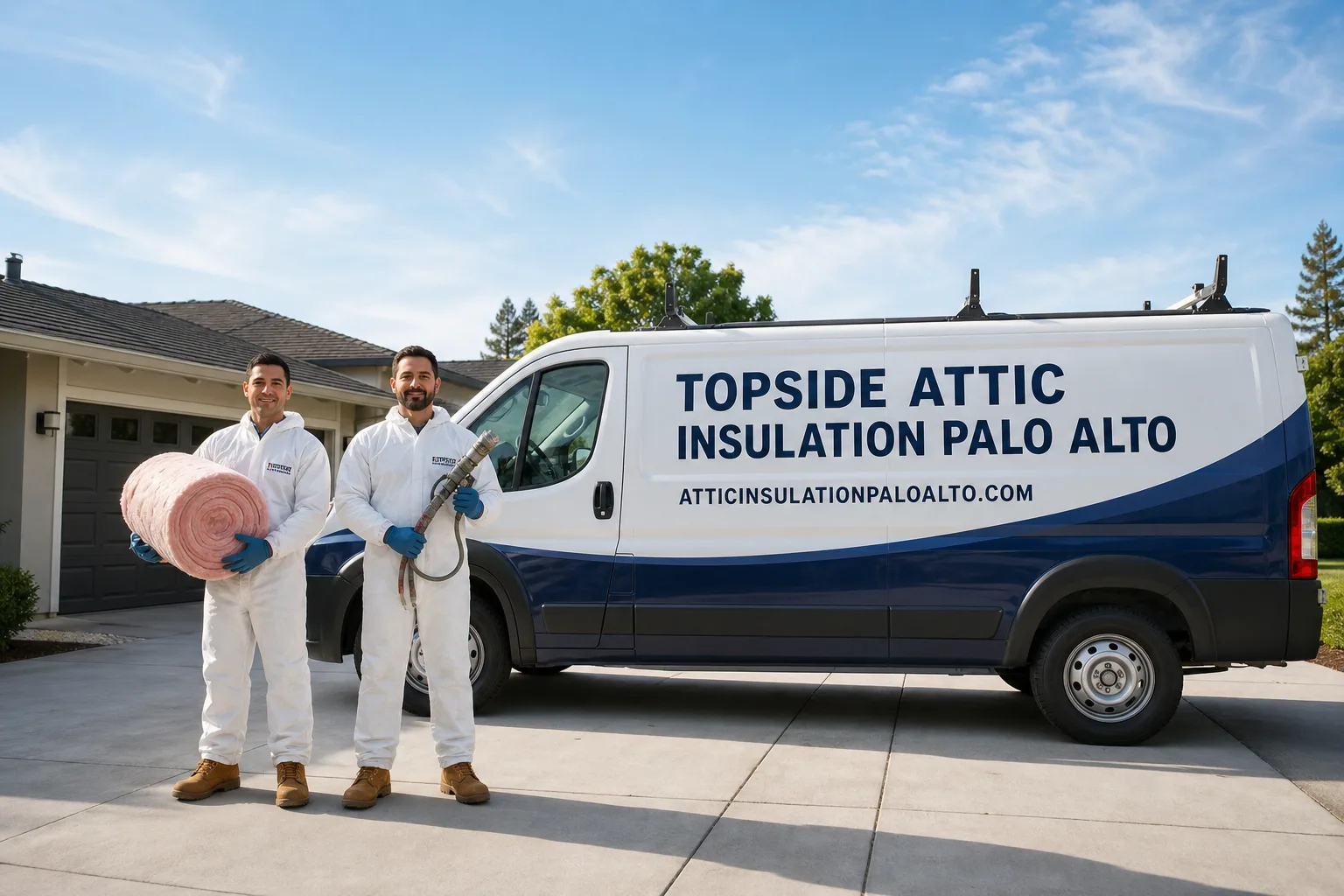
Trusted Radiant Barrier Installation for Palo Alto Homeowners
Radiant barrier installation in Palo Alto typically costs $1,800-$4,500 for a single-story attic and is usually completed in one day. Most Palo Alto homes built between 1950 and 1995 gain 8-12°F cooler attic temperatures after installation, which directly reduces the load on existing insulation and HVAC equipment. Call (650) 352-3577 for a written estimate with no obligation - we answer live, 24/7.
We’ve sealed and insulated over 9,000 homes since 2016, and every one started with a written price and ended with a documented photo record. We provide Radiant Barrier Installation in Palo Alto neighborhoods like Old Palo Alto, Professorville, and the Green Gables, where we regularly see attics with fiberglass batt insulation sitting directly on the ceiling drywall and no radiant barrier at the roof deck. The result is a 140°F attic in July that radiates heat downward for hours after sunset, forcing air conditioners to cycle well into the evening. Our crews install Owens Corning and Johns Manville radiant barrier systems only after completing air sealing of top plates, can lights, and penetrations - we won’t blow insulation over an unsealed attic floor, and we publish before-and-after blower-door numbers on every job so you can verify the performance change.
What Our Radiant Barrier Installation Service Includes
Attic Radiant Barrier
An attic radiant barrier is a reflective surface, typically aluminum foil laminated to a substrate, installed to reduce radiant heat transfer from a hot roof deck to the attic floor and living space below. In Palo Alto, this matters most in homes with dark composite shingle roofs, which can reach 160°F on a July afternoon and continue radiating heat for four to six hours after peak sun. We install attic radiant barriers after completing blower-door-directed air sealing of the attic floor - sealing top plates, wire and pipe penetrations, and recessed can light housings - so the barrier works with a tighter envelope, not against a leaky one. Every attic radiant barrier job includes a documented photo record of the sealed penetrations and the installed barrier, plus before-and-after blower-door readings when air sealing is part of the scope.
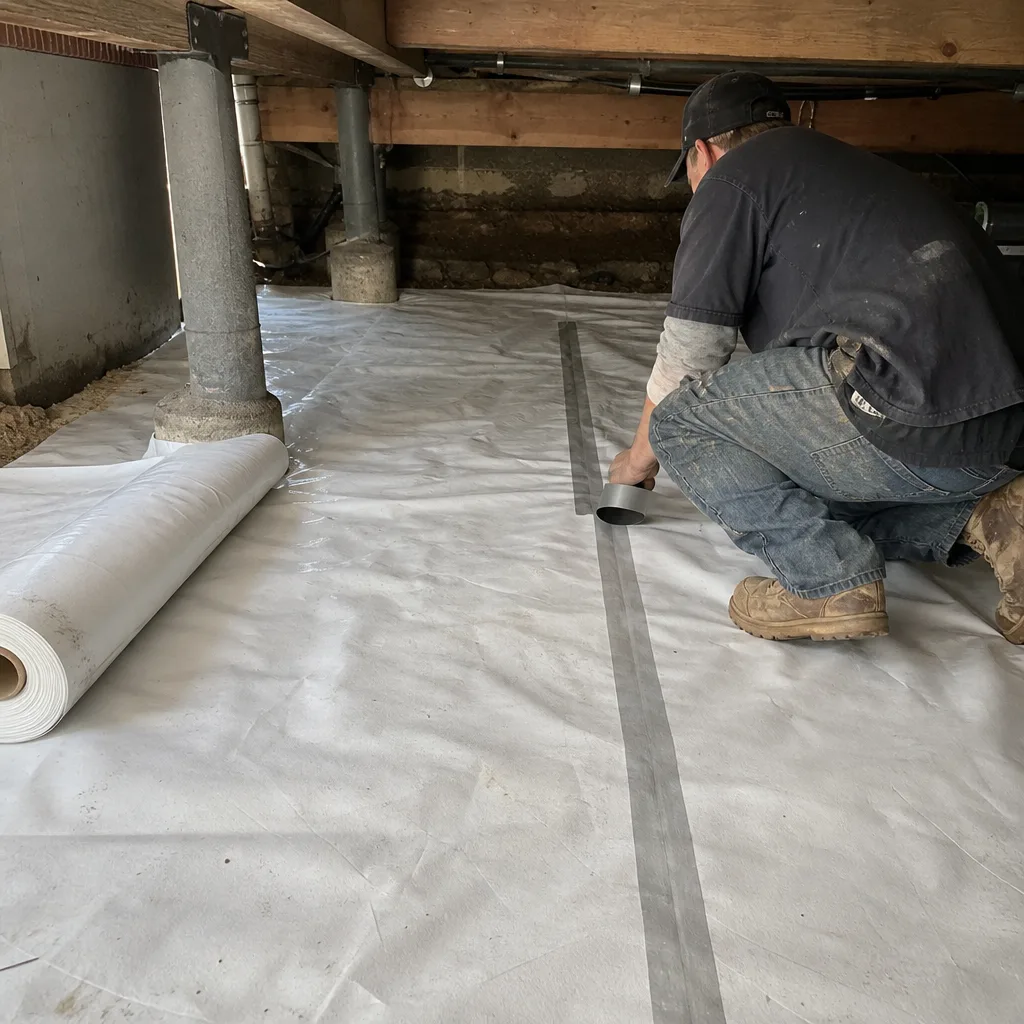
Radiant Barrier Foil
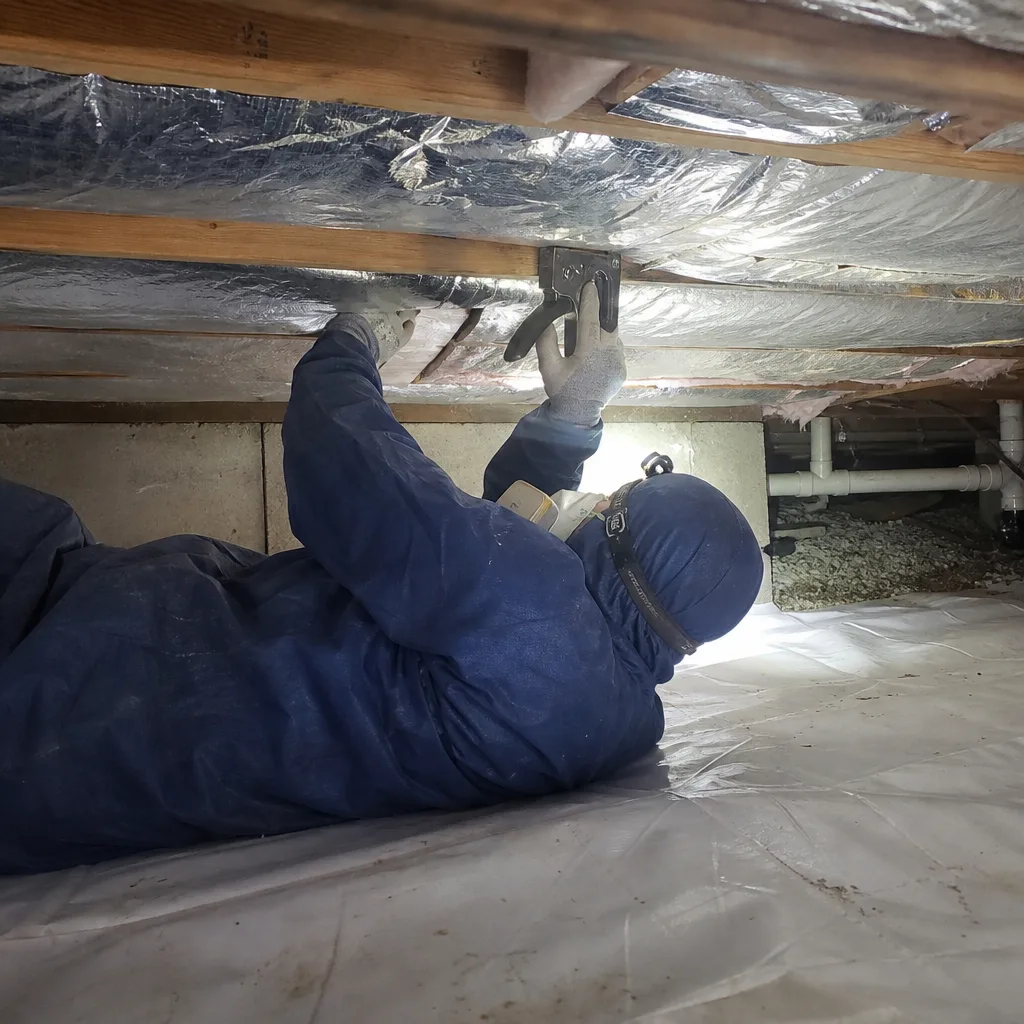
Radiant barrier foil is the most common material form - a thin, flexible sheet with a reflective aluminum side that blocks up to 97% of radiant heat when installed with proper air gaps on both sides. In Palo Alto’s climate, foil performs best when installed with a minimum ¾-inch air space below the roof deck and adequate attic ventilation above; without this gap, conduction overwhelms the radiant benefit. We source radiant barrier foil from Owens Corning and Johns Manville, selecting the specific product based on your roof pitch, existing ventilation, and whether we’re retrofitting or working with new construction. Our crews in Palo Alto have installed foil barriers in attics with as little as 3 feet of clearance at the ridge and as much as 12 feet in newer builds near the Foothills, and we document the specific product lot and installation date in every written scope.
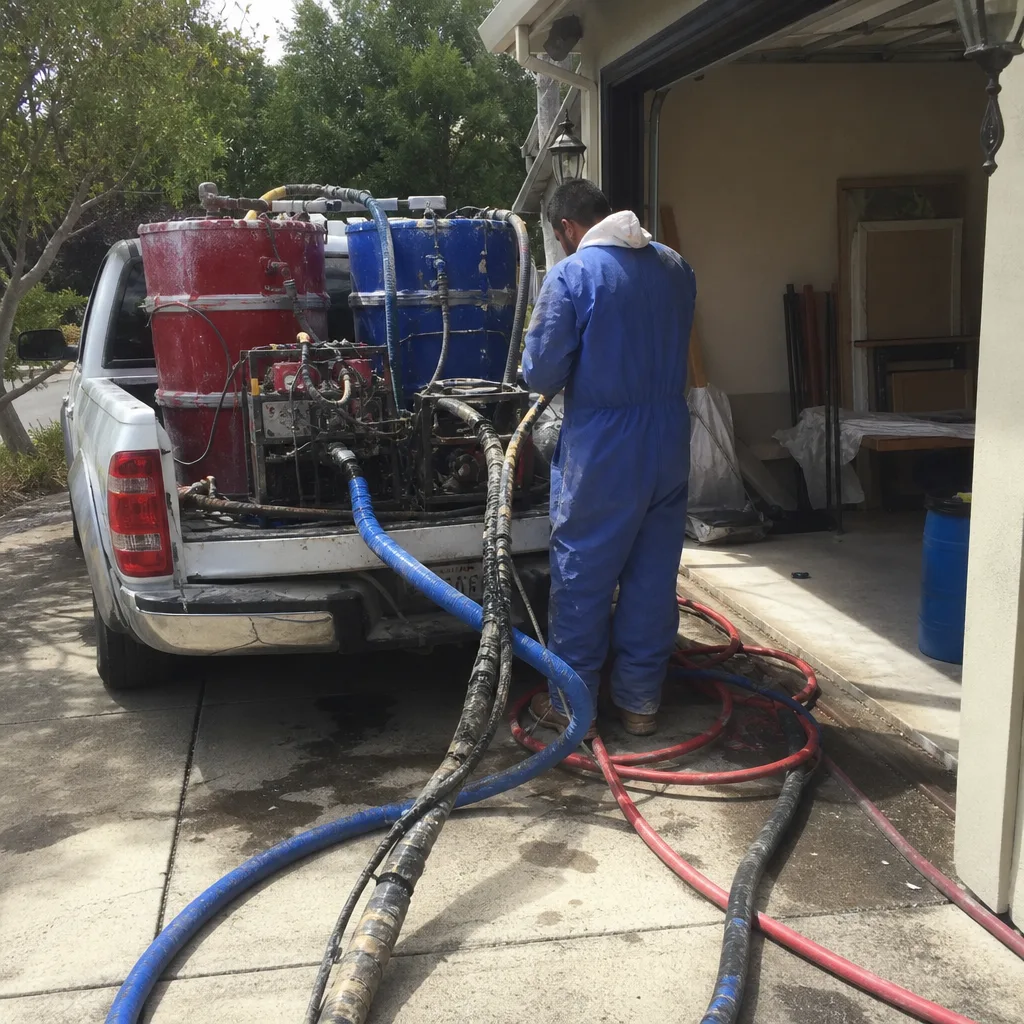
Radiant Barrier Roof Deck
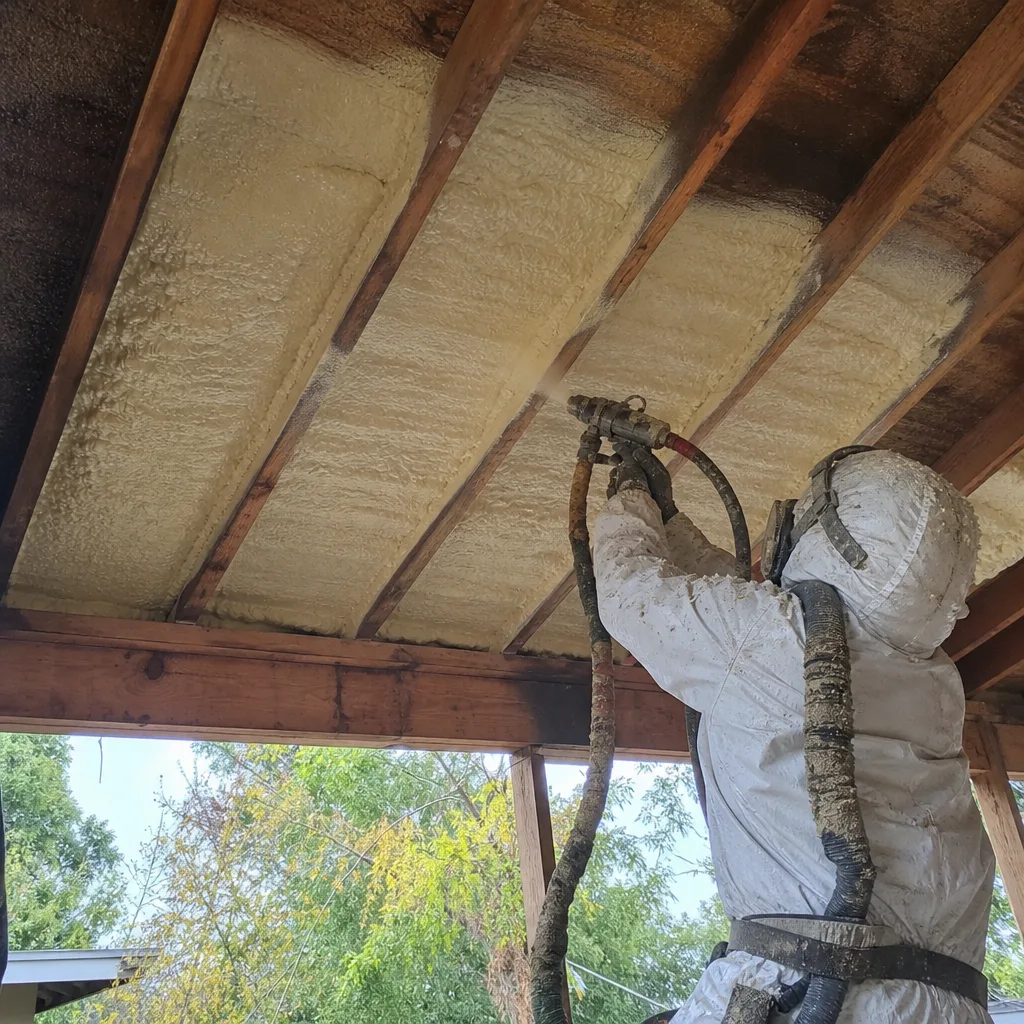
Radiant barrier roof deck installation means attaching the reflective material directly to the underside of the roof sheathing, either during new construction or a re-roof, or by stapling to the rafters in a retrofit. This approach is more effective than floor-mounted foil in Palo Alto because it interrupts radiant heat at its source - the roof deck - rather than allowing it to enter the attic volume at all. We see the best results in Palo Alto’s older Eichler and ranch-style homes with shallow-pitch roofs, where attic volume is limited and floor-mounted barriers can be difficult to install without compressing existing insulation. Our roof deck installations include verification of rafter ventilation pathways and, on applicable jobs, a post-installation blower-door test to confirm that the attic access and any new penetrations remain sealed.
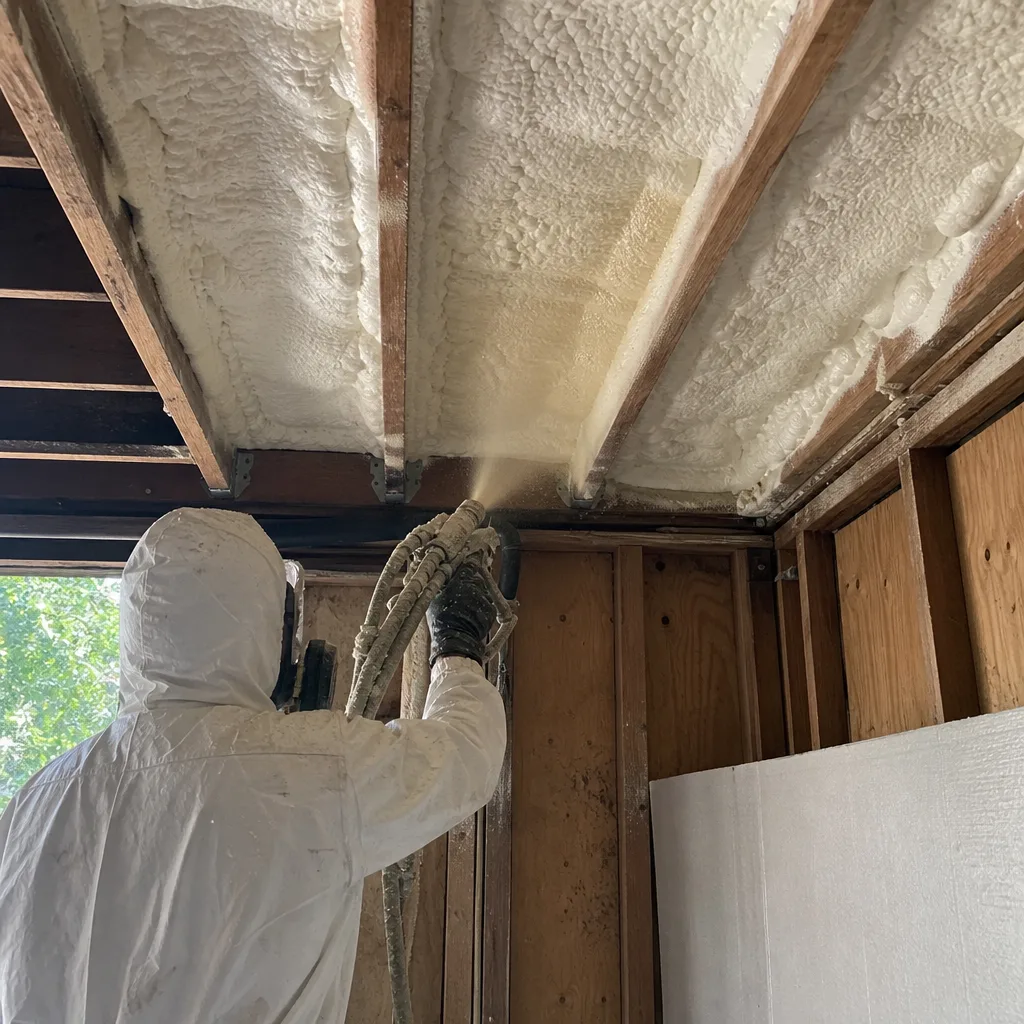
Radiant Barrier & Ventilation
Radiant barrier performance depends entirely on attic ventilation - a barrier without airflow becomes a heat sink, radiating captured energy back into the attic over time. In Palo Alto, we evaluate existing soffit, ridge, and gable ventilation before recommending any radiant barrier product, and we won’t install a barrier in an attic we determine to be underventilated without addressing that first. Our crews have added ridge vents to homes in the Duveneck/St. Francis neighborhood, converted power vents to passive systems in Old Palo Alto, and installed baffles to maintain soffit airflow in deep-insulated attics near Barron Park. Every radiant barrier and ventilation job includes a written ventilation assessment, the specific CFM calculations for your attic volume, and photos of all installed vents and baffles.
What happens when you call
- 1
A real person answersNo phone trees - you reach a local pro.
- 2
You get an upfront price rangeHonest numbers before anyone is dispatched.
- 3
A background-checked tech heads outLicensed & insured, dispatched right away.
- 4
You approve before work beginsNothing starts until you say go.
Brands We Service for Radiant Barrier Installation
We also offer Radiant Barrier Installation - Stanford homeowners trust, using materials from Owens Corning, Johns Manville, and GreenFiber and selecting the specific product based on your roof assembly, attic conditions, and performance goals rather than pushing a proprietary system. Owens Corning’s radiant barrier sheathing and foil products are our most-specified in Palo Alto new construction and re-roof scenarios - we’ve installed their LP TechShield and FOILSHEET systems in over 400 local homes since 2016, and we stock their ventilation baffles and attic access seals to maintain system integrity. Johns Manville’s reflective insulation products, including their AP Foil-Faced polyiso boards, perform well in retrofit applications where we need both radiant barrier function and incremental R-value in limited clearance spaces; we’ve used their products extensively in the low-slope attics common to Palo Alto’s 1960s and 1970s ranch homes.
GreenFiber’s stabilized cellulose products, while not radiant barriers themselves, are frequently part of our integrated attic systems - we blow their cellulose over a properly installed radiant barrier to achieve both radiant heat rejection and conductive insulation in a single assembly. Whether you have an existing Owens Corning system that needs repair, a Johns Manville specification from your architect, or any other make of radiant barrier material, we can assess its condition, repair or replace it, and document the result. We hold no exclusive or preferred status with any manufacturer, which means our product recommendation is based on your attic’s specific conditions.
Signs You Need Radiant Barrier Installation Right Now
- Your second floor is 10-15°F warmer than the first floor on summer afternoons. This temperature stratification is a classic symptom of radiant heat gain through an unprotected roof deck, particularly in Palo Alto’s two-story homes where the upper level sits directly beneath attic space. The heat builds through the day and peaks around 6 PM, exactly when you want the house to cool down for evening.
- Your air conditioner runs continuously from 2 PM to 8 PM even when set to 78°F. Extended afternoon cycling indicates your HVAC is fighting both outside air temperature and radiant heat transfer from a hot attic. In Palo Alto’s climate, a properly installed radiant barrier can reduce this cooling load by 20-30% according to Department of Energy field studies.
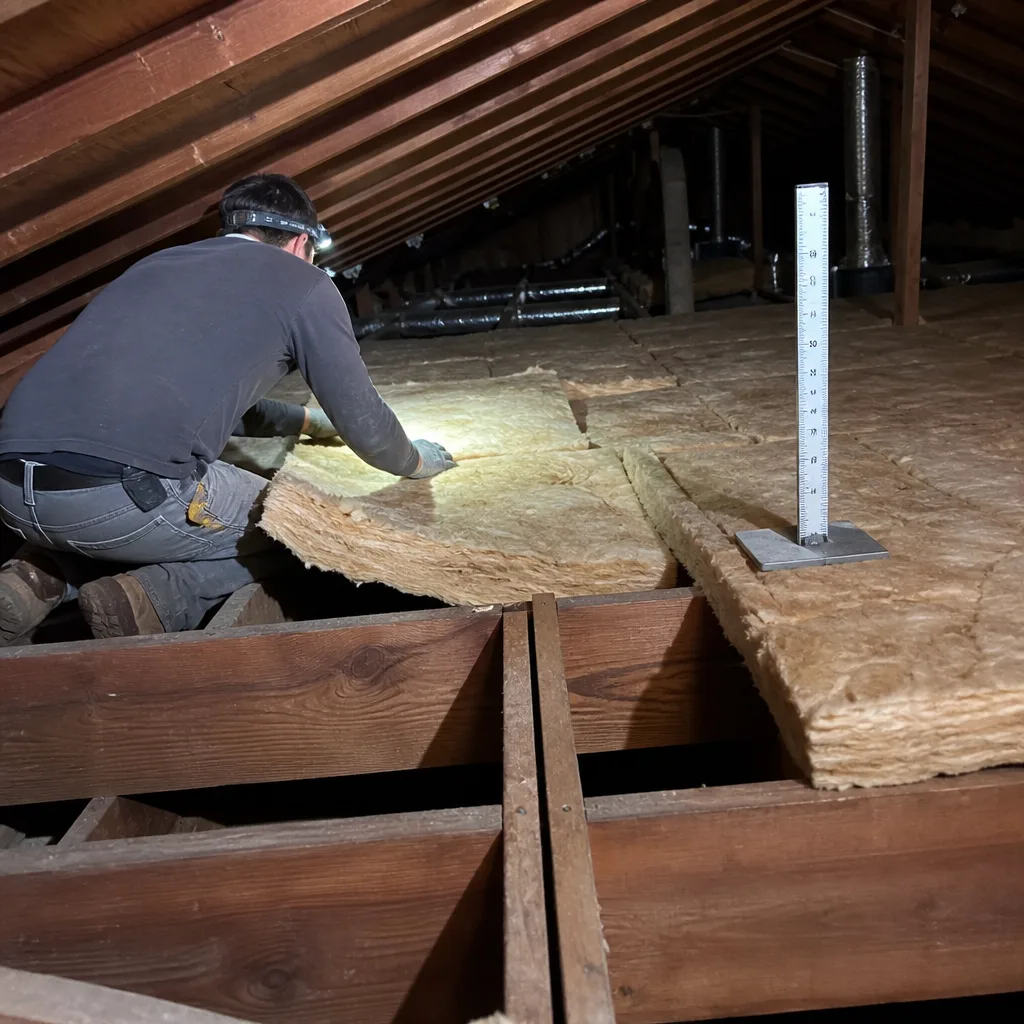
- Your attic insulation is discolored, compressed, or more than 20 years old. Darkened fiberglass batts are often a sign of air leakage and dust infiltration, but they also indicate that the insulation has been absorbing radiant heat without any barrier protection. We inspect attic insulation condition on every radiant barrier evaluation and will show you photos of what we find.
- You’ve added or upgraded attic insulation but haven’t seen the expected energy savings. Insulation slows conductive heat transfer, but it does almost nothing to stop radiant heat - which is the dominant heat transfer mode in a Palo Alto attic during summer. A radiant barrier addresses the heat source that insulation alone cannot.
- Your roof was replaced in the last five years with dark shingles and no radiant barrier upgrade. Dark roofing materials absorb up to 90% of solar radiation; without a radiant barrier, that energy radiates downward into your attic and living space. The optimal time to add a barrier is during or immediately after a re-roof, when access is easiest and the new roof will be generating maximum heat.
Our Radiant Barrier Installation Process - Step by Step
- 1
Written estimate with scope and price. We arrive at your Palo Alto home at the scheduled time, introduce the named technician, and conduct a full attic inspection including roof deck condition, existing insulation type and depth, ventilation assessment, and blower-door test if air sealing is part of the scope. You receive a written price, detailed scope, and warranty documentation before any work is scheduled - Haven Standard Clause 1, no exceptions.
- 2
Air sealing before barrier installation. On every radiant barrier job that includes attic work, we complete blower-door-directed air sealing first - top plates, electrical and plumbing penetrations, recessed light housings, chimney chases, and attic access hatches. We use Owens Corning and Johns Manville sealants and foams appropriate to each penetration type, and we photograph every sealed location for your documented photo record.
- 3
Radiant barrier material selection and installation. Based on your roof pitch, rafter spacing, and ventilation configuration, we install the specified radiant barrier product - foil to rafters or roof deck, reflective sheathing in new construction, or integrated barrier-insulation assemblies. Every fastener pattern and overlap seam follows manufacturer specification; we don’t guess, and we don’t rush.
- 4
Ventilation verification and adjustment. We confirm that soffit vents remain unobstructed, ridge vents are continuous and properly cut, and that the installed barrier maintains required air gaps. In Palo Alto homes with original gable vents, we may recommend conversion to a ridge-and-soffit system; if so, that recommendation appears in your written scope with a separate line-item price.
- 5
Final documentation and blower-door test. We complete the documented photo record, including before-and-after images of all work areas, and conduct a post-installation blower-door test on jobs where air sealing was performed. You receive the written results - CFM50 before and after, percentage improvement, and photos - before the crew leaves. The 365-Day Done Right Promise begins at this moment.
How Much Does Radiant Barrier Installation Cost in Palo Alto?
A typical attic radiant barrier installation in a Palo Alto single-story home of 1,200-1,800 square feet runs $1,800-$2,800, including air sealing of the attic floor and a documented photo record - see our guide to how much Radiant Barrier Installation costs for full pricing details. Two-story homes with more complex roof lines, or homes requiring roof-deck installation in a retrofit, typically range from $2,800-$4,500 depending on attic accessibility and the amount of existing material that must be moved or removed. New construction or re-roof scenarios where the barrier integrates with sheathing replacement fall at the higher end of this range but eliminate the labor of retrofit installation.
Several factors move the price within these ranges. Attic clearance is the biggest variable - a 4-foot clearance at the ridge allows normal installation; a 2-foot crawl requires specialized equipment and more labor time. The condition of existing insulation matters too - if we need to remove and replace compressed or contaminated material before installing the barrier, that adds material and labor cost. Roof pitch affects both safety equipment needs and installation speed; Palo Alto’s Eichler homes with their nearly flat roofs require different approaches than the steep pitches in the Foothills.
To avoid overpaying, get a written scope that specifies the exact product name, the air sealing details, and whether ventilation modifications are included. A quote that lists only “radiant barrier” without product specification or air sealing scope is incomplete, and you’ll likely pay again to fix what was skipped. Our estimates include all of this detail upfront - no surprises, no add-ons after work begins. Call (650) 352-3577 for your written estimate; estimates are free, and we offer a Free Second Opinion on any competing written quote you bring us.
Radiant Barrier Installation Near Palo Alto - Our Service Area
We install radiant barriers throughout Palo Alto and neighboring communities, with typical response times of same-day to next-day for estimates and 3-5 business days for scheduled work. Our crews regularly serve Los Altos Hills, where hillside homes with exposed roof decks see the highest radiant heat loads in the region; Stanford, including faculty housing and historic properties with specific material requirements; and Los Altos, Mountain View, East Palo Alto, Portola Valley, Atherton, Menlo Park, North Fair Oaks, Sunnyvale, and Woodside. Travel time is built into every written price, and we don’t charge premium rates for distance within this service area. Whether you’re in the flatlands of Midtown Palo Alto or the hills above Page Mill Road, the same technician team, the same materials, and the same Haven Standard documentation apply.
Serving Palo Alto, CA - Our Local Coverage Area
We’re based in the Palo Alto area and know this community well. Use the map below to see our service coverage - if you’re nearby, we can almost certainly help.
Frequently Asked Questions - Radiant Barrier Installation in Palo Alto
Radiant barrier installation is the process of adding a reflective surface, usually aluminum foil or reflective sheathing, to reduce radiant heat transfer from a hot roof deck into the attic and living space below. In Palo Alto’s climate, this means blocking the 140-160°F temperatures that dark roofs reach on summer afternoons, which can account for up to 93% of heat gain in an unprotected attic. We install radiant barriers only after completing air sealing of the attic floor, so the barrier works with a tighter building envelope rather than masking air leakage problems.
Most residential radiant barrier installations in Palo Alto are completed in one day, with larger or more complex homes requiring up to two days. The actual installation time depends on attic accessibility, whether air sealing is included, and whether existing insulation must be removed or repositioned. We schedule a specific arrival window, text you when the technician is en route, and leave your home with a completed documented photo record and written results.
Most single-story homes in Palo Alto run $1,800-$2,800 for a complete attic radiant barrier with air sealing; two-story or complex-roof homes typically range $2,800-$4,500. New construction integration with roof sheathing falls at the higher end but eliminates retrofit labor. Call (650) 352-3577 for an exact quote - estimates are free, and we publish the written price before any work starts.
Yes, we install, repair, and replace Owens Corning and Johns Manville radiant barrier systems, and we stock their ventilation accessories and air sealing products for integrated attic work. We’ve installed Owens Corning LP TechShield and FOILSHEET in over 400 Palo Alto-area homes, and we specify Johns Manville reflective insulation for retrofit applications where additional R-value is needed in limited clearance. We hold no exclusive arrangement with either manufacturer, so our recommendation is based on your specific attic conditions.
We answer calls live 24/7 and can typically schedule an evaluation within 24 hours for urgent situations, such as a radiant barrier that has detached and is blocking ventilation or creating a moisture risk. True emergencies in radiant barrier systems are rare; most issues develop gradually and are identified during routine attic inspections. If you’re experiencing sudden temperature spikes or visible barrier damage, call (650) 352-3577 and we’ll assess whether same-day service is warranted.
Every radiant barrier installation is backed by our 365-Day Done Right Promise - if it’s not done right, we make it right - plus the manufacturer’s product warranty, which ranges from 10 years to lifetime depending on the specific material. The Haven Standard requires that both warranties, and the written scope that defines what was done, are delivered before any work begins. We don’t ask you to trust a verbal promise; you hold the documentation.
Clear a path to the attic access, remove stored items from the attic floor if possible, and ensure we have access to electrical outlets for our blower-door fan and lighting equipment. We don’t need you to move heavy items - our crew handles that - but removing fragile or valuable stored goods prevents any risk of damage during the work. We’ll confirm any specific preparation needs when we deliver your written scope and scheduled arrival window.
Schedule Your Radiant Barrier Installation Service in Palo Alto Today
Call (650) 352-3577 now - a live person answers 24/7, and we’ll schedule your free evaluation at a specific time that works for you. You’ll receive a written price before any work starts, a documented photo record when the crew leaves, and before-and-after blower-door numbers on every job where air sealing applies. The 365-Day Done Right Promise is included on every installation. No obligation, no callback windows, no surprises.
Written by Wes Okafor, Owner at Topside Attic Insulation Palo Alto, serving Palo Alto since 2016.