

Fast, Reliable Blown-In Insulation Across Fremont
Blown-in insulation in Fremont typically runs $2.80-$5.40 per square foot installed, with most attic jobs on a single-story ranch falling between $2,400 and $4,800 depending on whether air sealing and old-material removal are needed first. We also offer Spray Foam Insulation in Fremont for homeowners who need higher R-value per inch or have complex framing to seal. Our crews serve Fremont from our San Francisco Bay Area dispatch office, and we can usually get a technician to an Irvington, Centerville, or Warm Springs address within the same day you call. Call (650) 352-3577 and a live person will pick up - no voicemail loops, no callback windows measured in business days.
We’ve worked the full cross-section of Fremont housing: the 1960s tracts near Thornton Avenue where kraft-faced batts were compressed into 2×4 walls with foil stapled over them, the newer Warm Springs builds near the BART extension with shallow but serviceable attic decks, and the Mission San Jose ranches where summer heat spikes demand a different R-target than the fog-cooled blocks west of I-880. That local variation is why we start every job with a load assessment tied to your specific address, not a one-size blanket quote.
Why Topside Attic Insulation Palo Alto Is Fremont’s Preferred Blown-In Insulation Company
We’ve sealed and insulated more than 9,000 homes since 2016, and a significant share of those have been in Alameda County’s older tracts. Fremont customers leave reviews that specifically mention the blower-door numbers we publish - the before-and-after CFM50 readings that show, in one figure, how much conditioned air the home was losing. They also note that our crews arrive in uniform, background-checked, and named in a text sent when the truck is en route.
Response time to Fremont is same-day for most requests placed before 2 PM. Our scheduling is coordinated from the Bay Area office, but the crew that arrives at your door knows the local conditions: which Centerville blocks sit in the marine layer shadow, where the 1965-1975 ranch stock clusters in Irvington, and how the Warm Springs elevation change affects attic ventilation. That matters because a blower-door test reading taken in foggy western Fremont will differ from the same house on a 102°F Mission San Jose afternoon, and we account for that in our load calculation.
Every job is backed by our Blown-In Insulation team’s 365-Day Done Right Promise. Under Haven Standard Clause 1, you get a written price, written scope, and written warranty before anyone lifts a tool. No exceptions.
Our Blown-In Insulation Services in Fremont
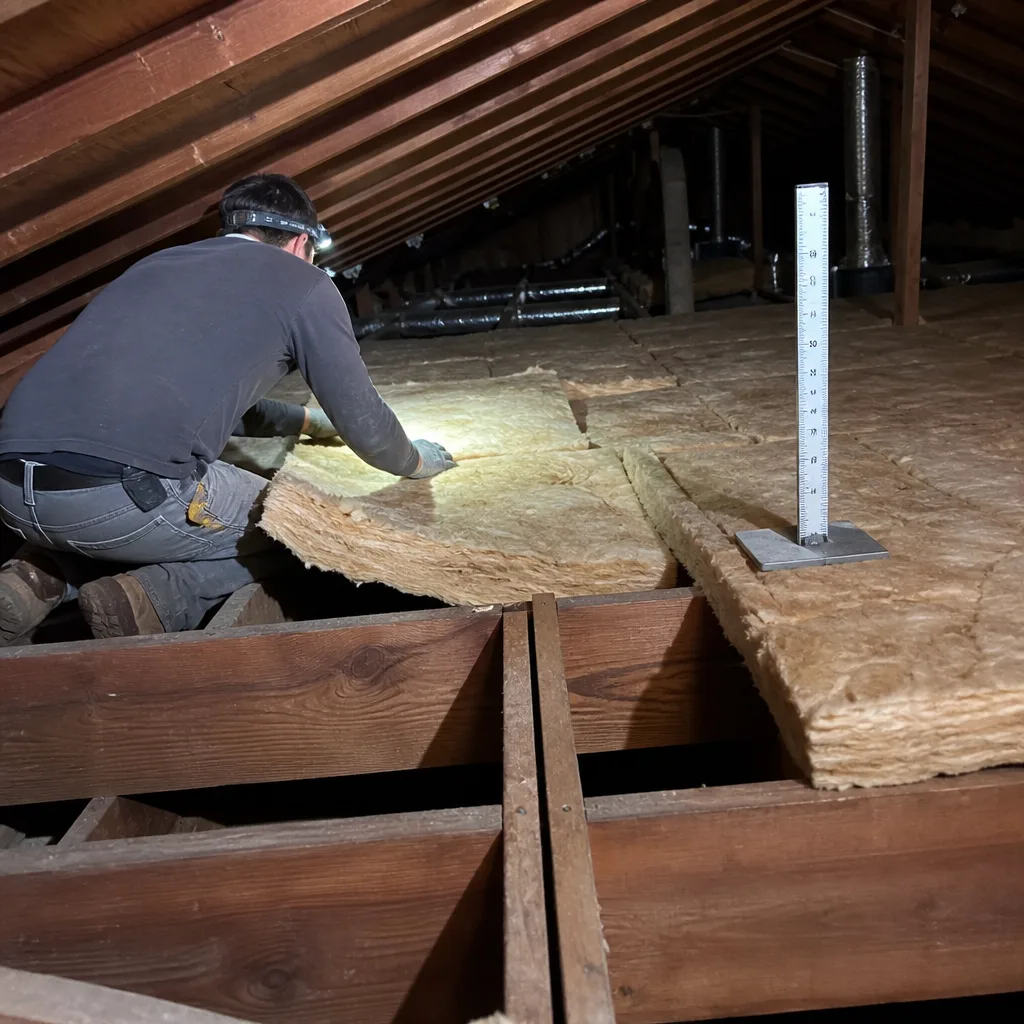
Blown-In Cellulose
We source GreenFiber cellulose for many Fremont jobs - a treated, recycled-paper product that packs well into irregular attic decks and wall cavities. Cellulose performs particularly well in Fremont’s western neighborhoods where marine-layer moisture is a concern, because the borate treatment resists mold and pest activity. In a 1965 ranch on the Centerville side, our crew pulled a 10-inch-wide strip of compressed kraft-faced fiberglass batt out of a 2×4 exterior wall cavity that was foil-and-stapled rather than vapor-barriered - an Alameda County tract shortcut that had driven the actual in-place R down near nothing. With the old batts fully removed and the wall bays prepped, we dense-packed the cavity with GreenFiber cellulose and then topped the shallow attic deck to the load-calculated level for that marine-influenced address, not the hotter Mission San Jose number across town. The homeowner reported the front bedroom no longer cycling between cold damp and stuffy by mid-summer.
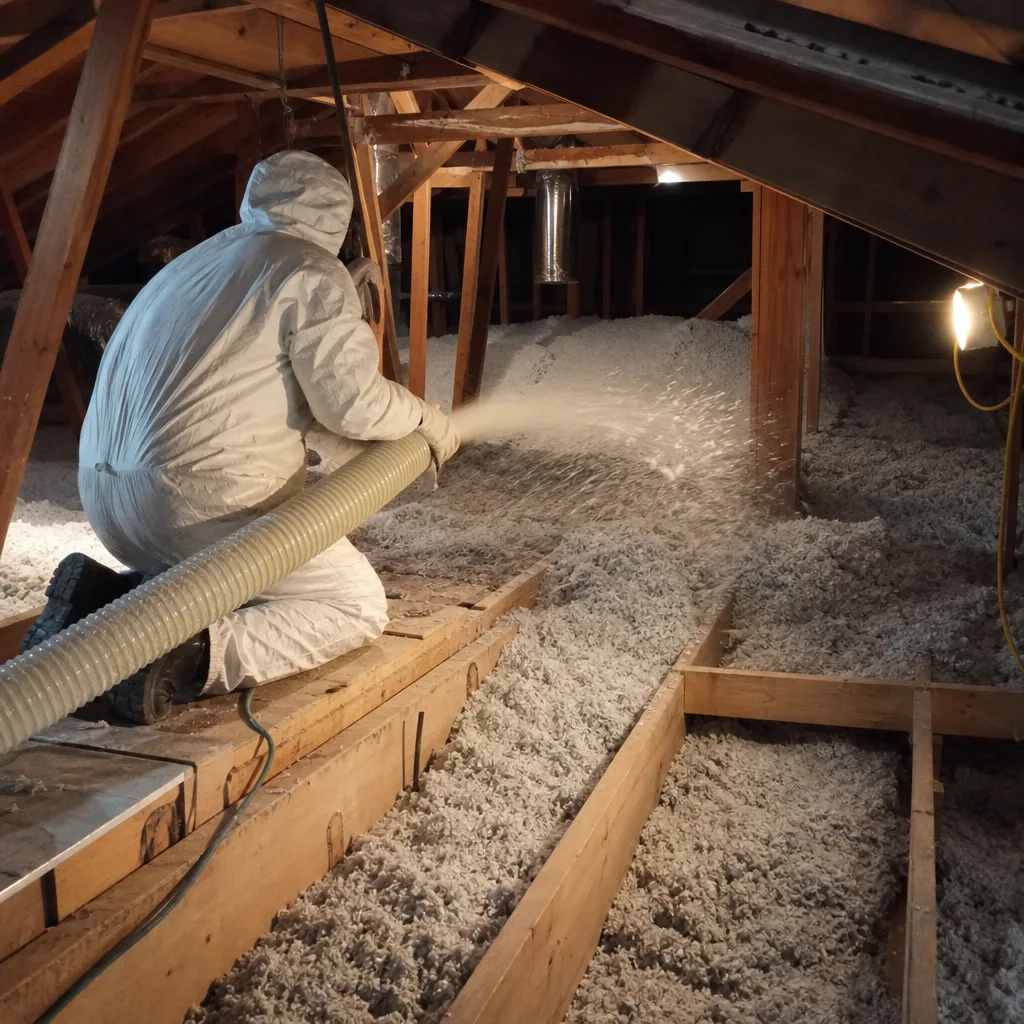
Blown-In Fiberglass
Johns Manville blown fiberglass is our go-to for eastern Fremont attics where summer heat spikes degrade cellulose more aggressively over time. Fiberglass doesn’t hold moisture the way organic materials can, which matters in Mission San Jose and the Warm Springs hills where afternoon temperatures regularly run 15-20°F above the western flats. We blow it to a uniform depth measured with marked rulers across the attic deck, not heaped near the access hatch and thin over the eaves.
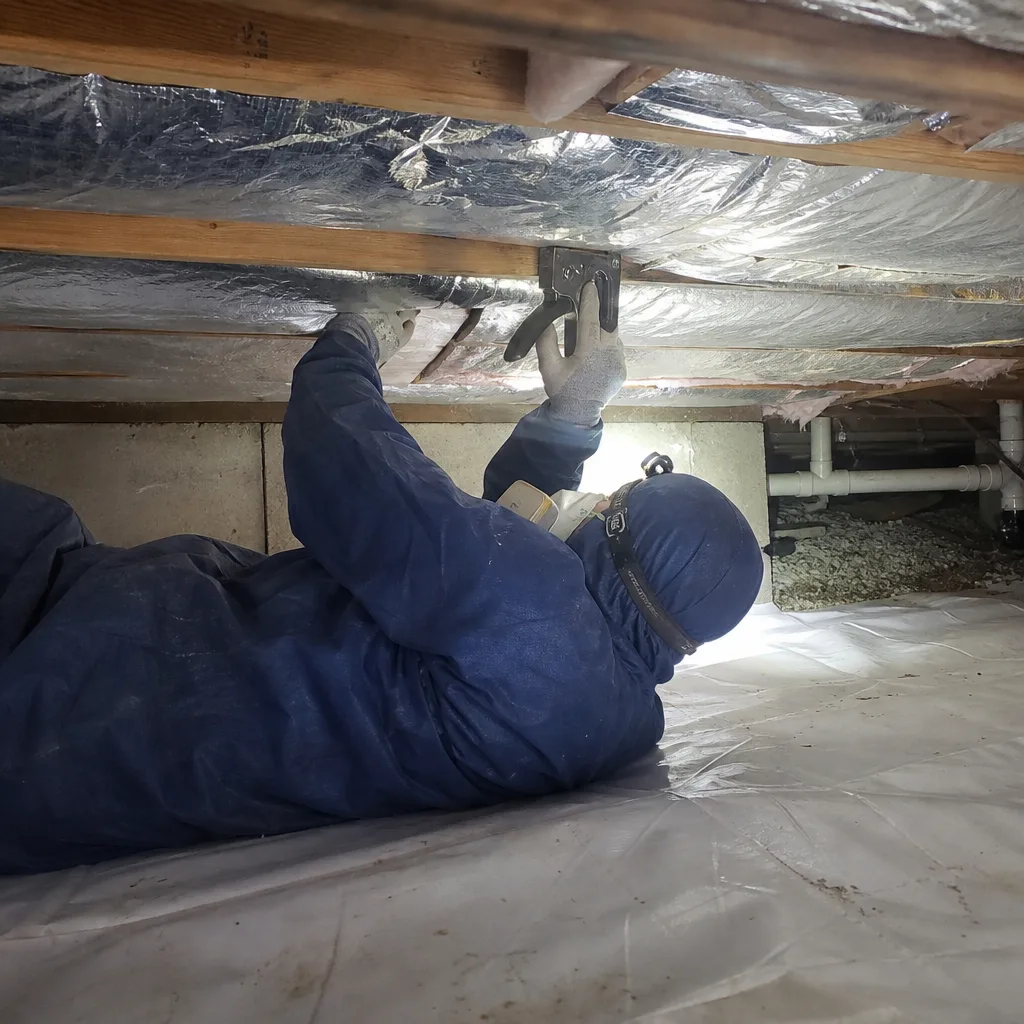
Dense-Pack Wall Insulation
This is the service we emphasize most for Fremont’s 1960s-70s stock. Dense-pack means blowing cellulose or fiberglass into a closed wall cavity at pressure, typically 3.0-3.5 pounds per cubic foot for cellulose, until the material reaches a settled density that won’t sag or settle over decades. Fremont’s 2×4 walls are limited to R-13 maximum by cavity depth, but most existing batts have compressed to R-3-R-5 or worse. We never dense-pack over old batts - the foil-stapled vapor-barrier substitutes we find in Irvington and Centerville walls trap moisture and prevent proper fill. Full removal, bay cleaning, then dense-pack. The homeowner gets photos of each stage and a final density verification.
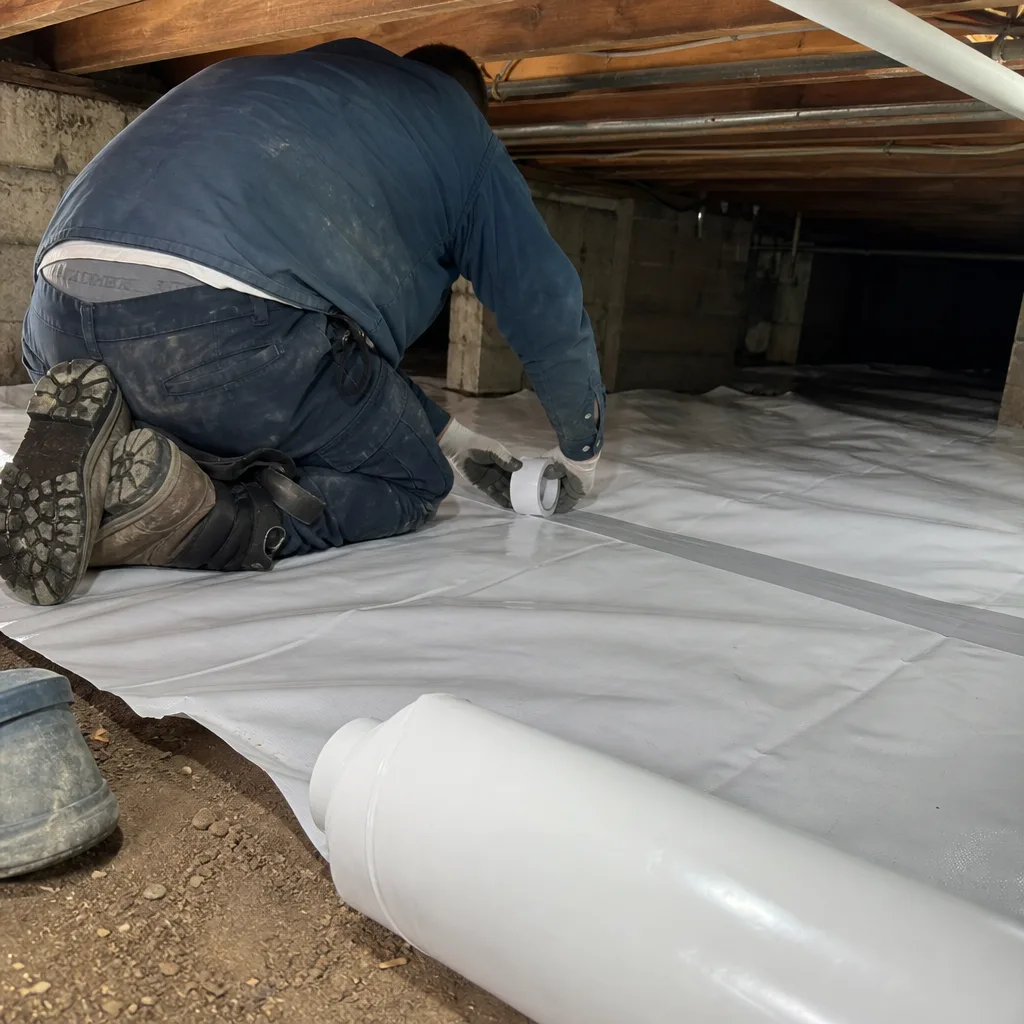
Blown-In Top-Up
For attics with existing insulation that’s simply under-depth or uneven, a top-up can be the right move - but only after air sealing and only if the existing material is dry, uncontaminated, and not compressed below salvageable R-value. In Fremont, we see a lot of “top-up” quotes from competitors that skip the sealing step or blow over damp, degraded batts. We won’t do it. Our Blown-In Insulation in Fremont crews test moisture content, inspect for rodent activity, and seal top plates, can lights, and penetrations before any new material goes in. The result is a top-up that actually performs to its rated R-value, not one that masks underlying problems.
What happens when you call
- 1
A real person answersNo phone trees - you reach a local pro.
- 2
You get an upfront price rangeHonest numbers before anyone is dispatched.
- 3
A background-checked tech heads outLicensed & insured, dispatched right away.
- 4
You approve before work beginsNothing starts until you say go.
Trusted Brands We Service in Fremont
We stock and install Owens Corning, Johns Manville, and GreenFiber products for Fremont jobs, with no proprietary lock-in that forces a brand choice on the homeowner. Owens Corning ProPink is our standard loose-fill fiberglass for high-heat attics; Johns Manville Climate Pro for balanced performance across Fremont’s mixed microclimates; and GreenFiber cellulose when moisture management and density are the priority. Because we maintain local inventory for the Bay Area service territory, turnaround on material orders doesn’t delay scheduling. If a specific product is specified in an energy audit or rebate program - BayREN, for example - we source and install it, document the installation, and provide the photos and readings required for program compliance.
Common Blown-In Insulation Problems We See in Fremont Homes
- Compressed 1960s kraft-faced batts in 2×4 Irvington and Centerville wall cavities. These were often installed with aluminum foil stapled to sheathing as a vapor-barrier substitute, a common Alameda County tract-build shortcut. The compression and improper vapor management drives actual R-value down to R-3-R-5. Simple blown-in top-ups over them don’t deliver the intended rating - full removal and dense-pack replacement is the only fix that performs.
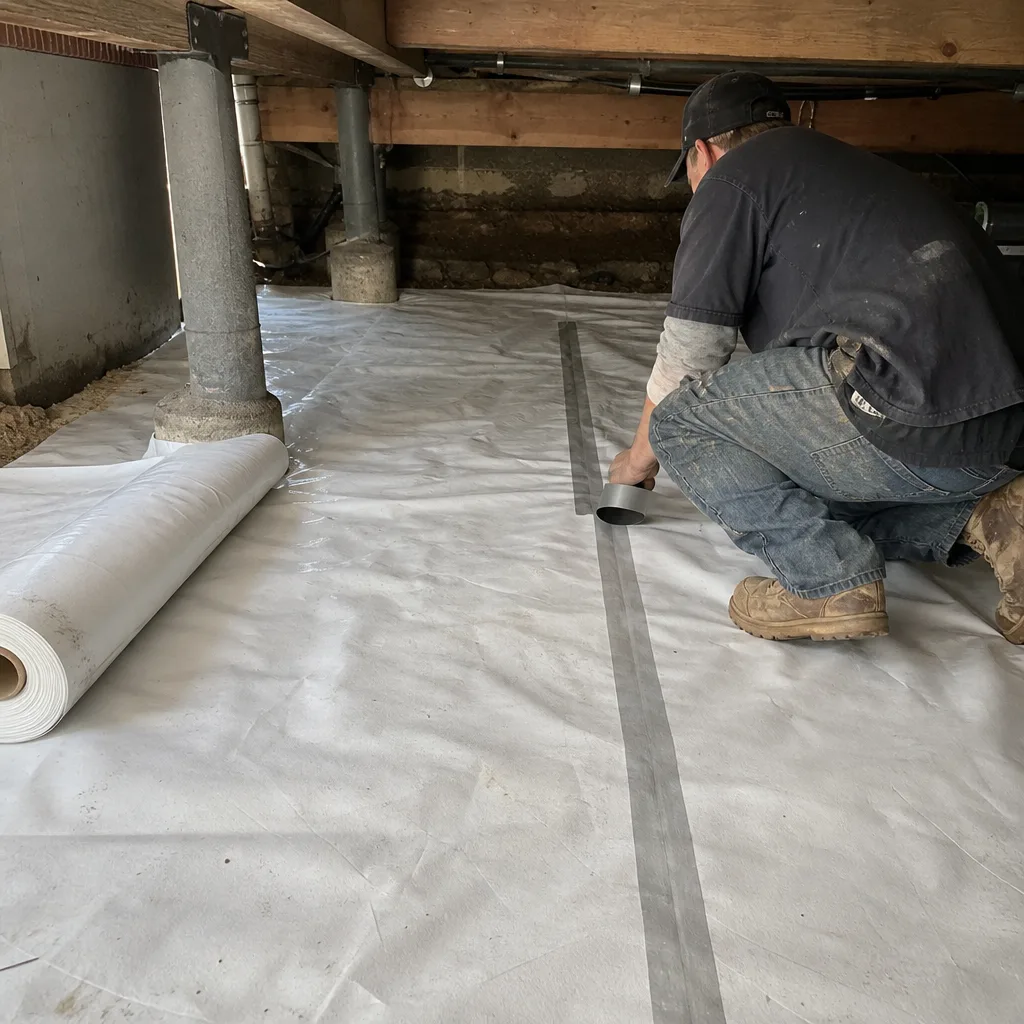
- Vented crawl spaces under post-1956 tract homes letting marine-layer damp migrate upward. Western Fremont streets that stay cool and foggy see floor insulation degraded by seasonal moisture, while east-side attics bake and degrade separately. The same city, two different failure modes. We address crawl spaces with vapor barrier and encapsulation where needed before any blown-in work above.
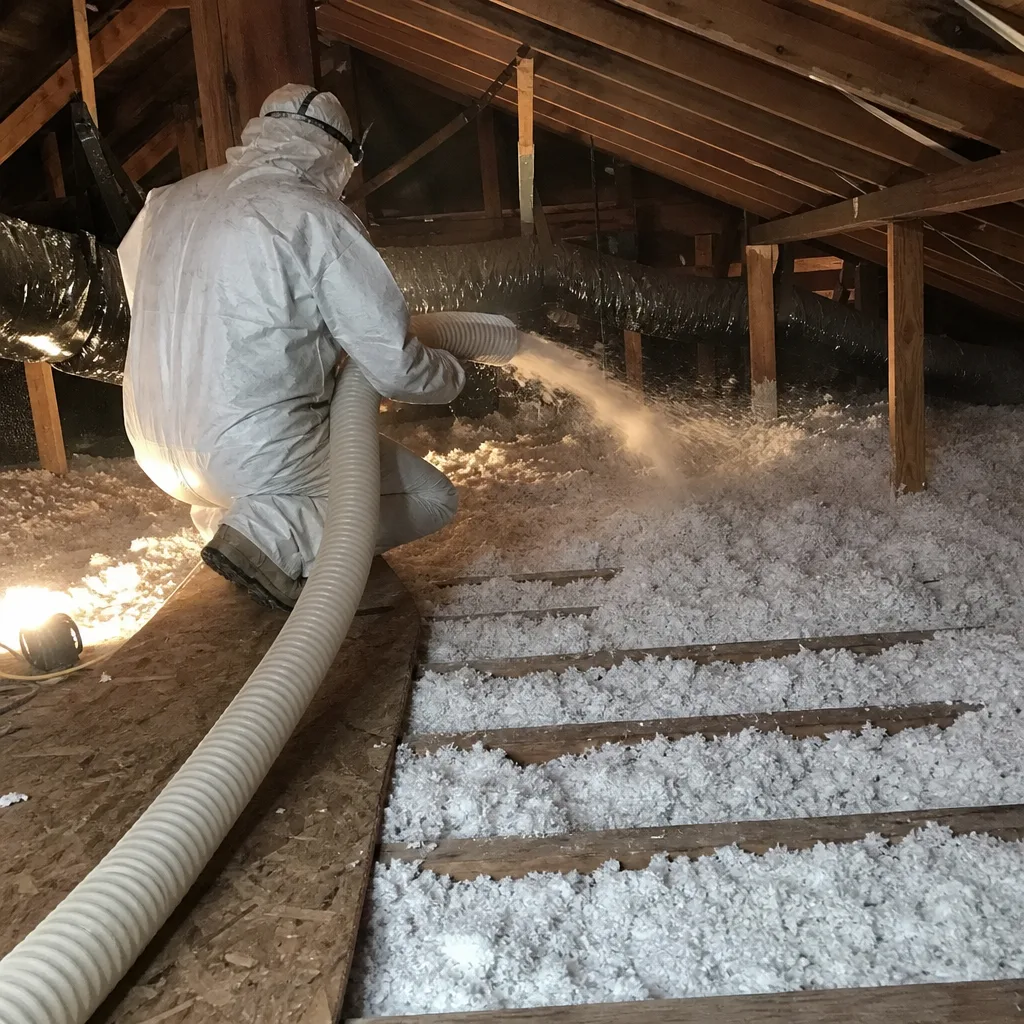
- Shallow attic decks in single-story ranch stock leaving no room for error. When there’s only 6-8 inches of depth at the eaves, a non-uniform blow leaves thin spots that thermal-map to major heat loss. Our crews use rulered depth markers and blower-door verification to confirm the blanket is even, not just full near the hatch.
- Air leaks through top plates and can lights negating new insulation performance. Fremont’s older homes weren’t air-sealed at construction. Blown-in material over an unsealed attic floor is like putting a thick sweater on someone with an open zipper - the conditioned air escapes before the insulation can do its job. We seal first, then insulate. Always.
Pricing for Blown-In Insulation in Fremont, CA
A typical blown-in attic top-up on a Fremont single-story ranch runs $2,400-$3,600, including air sealing of top plates and penetrations. Full removal of degraded existing material plus new blown-in cellulose or fiberglass to current code depth: $3,800-$5,400. Dense-pack wall insulation for a 1,200-square-foot home with 2×4 construction: $4,200-$6,800, depending on interior or exterior access and the extent of old-batt removal required.
What moves the number: the condition of existing material (removal adds labor), access type (interior drywall cut-and-repair versus exterior siding removal), and whether the home needs active ventilation upgrades to handle the new insulation level. Every quote is a flat, written price delivered before work starts - Haven Standard Clause 1, no exceptions. We also offer a Free Second Opinion on any written estimate from another contractor; bring us the quote and we’ll read it with you, line by line.
Call (650) 352-3577 for an exact quote - estimates are free, and a live person answers 24/7.
We Also Serve Cities Near Fremont
Our crews work across the South Bay and Peninsula, including Fremont neighbors in Newark, Milpitas, Palo Alto, and Sunnyvale. Each city gets the same documented process: written price first, blower-door numbers where applicable, photo record on every job. Dispatch and scheduling are coordinated from our San Francisco Bay Area office.
Serving Fremont, CA - Our Local Coverage Area
We’re based in the Fremont area and know this community well. Use the map below to see our service coverage - if you’re nearby, we can almost certainly help.
FAQs - Blown-In Insulation in Fremont
Yes. Western Irvington and Centerville sit in the marine air path through the Dumbarton and Coyote Hills gaps, so those homes deal with cool, damp conditions and moisture migration that eastern addresses near Mission San Jose rarely see. Eastern Fremont attics regularly hit 140°F in summer, which degrades organic insulation faster and demands higher R-targets for cooling load. We run a load calculation tied to your specific address, not a city-wide average. Call (650) 352-3577 and we’ll show you the numbers.
No. The compressed kraft-faced batts we find in Irvington and Centerville 2×4 walls - often foil-stapled as a vapor-barrier substitute - have bottomed out at R-3 to R-5 and trap moisture against the sheathing. Blowing new material over them creates a double vapor barrier that risks condensation and mold. We remove the old batts fully, clean the bays, then dense-pack with GreenFiber cellulose to the proper density. The homeowner gets photos of empty bays and finished fill.
GreenFiber cellulose, blown to a calculated depth with air sealing completed first. Shallow decks in 1960s Centerville ranches often have 6-10 inches of usable depth; cellulose packs to a higher R-per-inch than loose-fill fiberglass and fills irregular framing better. We mark depth rulers across the deck and verify with blower-door testing that the air sealing is holding before we call the job complete. The written scope specifies the target R-value for your home’s orientation and microclimate, not a generic chart.
It can, particularly in western Fremont homes with vented crawl spaces and unsealed attic floors. The marine layer brings seasonal damp that migrates into floor systems and degrades insulation from below, while fog-cooled roof decks in winter can create condensation on the underside of sheathing if attic ventilation is inadequate. We test moisture content before any new material goes in, and we specify borate-treated cellulose or fiberglass where mold resistance is a priority. Every job includes a Documented Photo Record so you can see the pre-installation conditions we found.
Yes, if it’s done after proper air sealing and to the correct depth for your home’s cooling load. In Mission San Jose and Warm Springs, where summer spikes are sharpest, we’ve measured attic deck temperatures dropping from 140°F to 110°F after a sealed, depth-verified blown-in install - which directly reduces the load on your AC. In western Fremont, the benefit shows more in reduced run-time on cool, damp mornings when poor insulation lets conditioned air escape. The blower-door numbers we provide before and after show the exact air-leakage reduction; most Fremont homes we seal and insulate drop 30-50% in CFM50. Call (650) 352-3577 for a free estimate with written pricing.
Written by Wes Okafor, Owner at Envelope Insulation Co., serving Fremont and the Bay Area since 2016.