
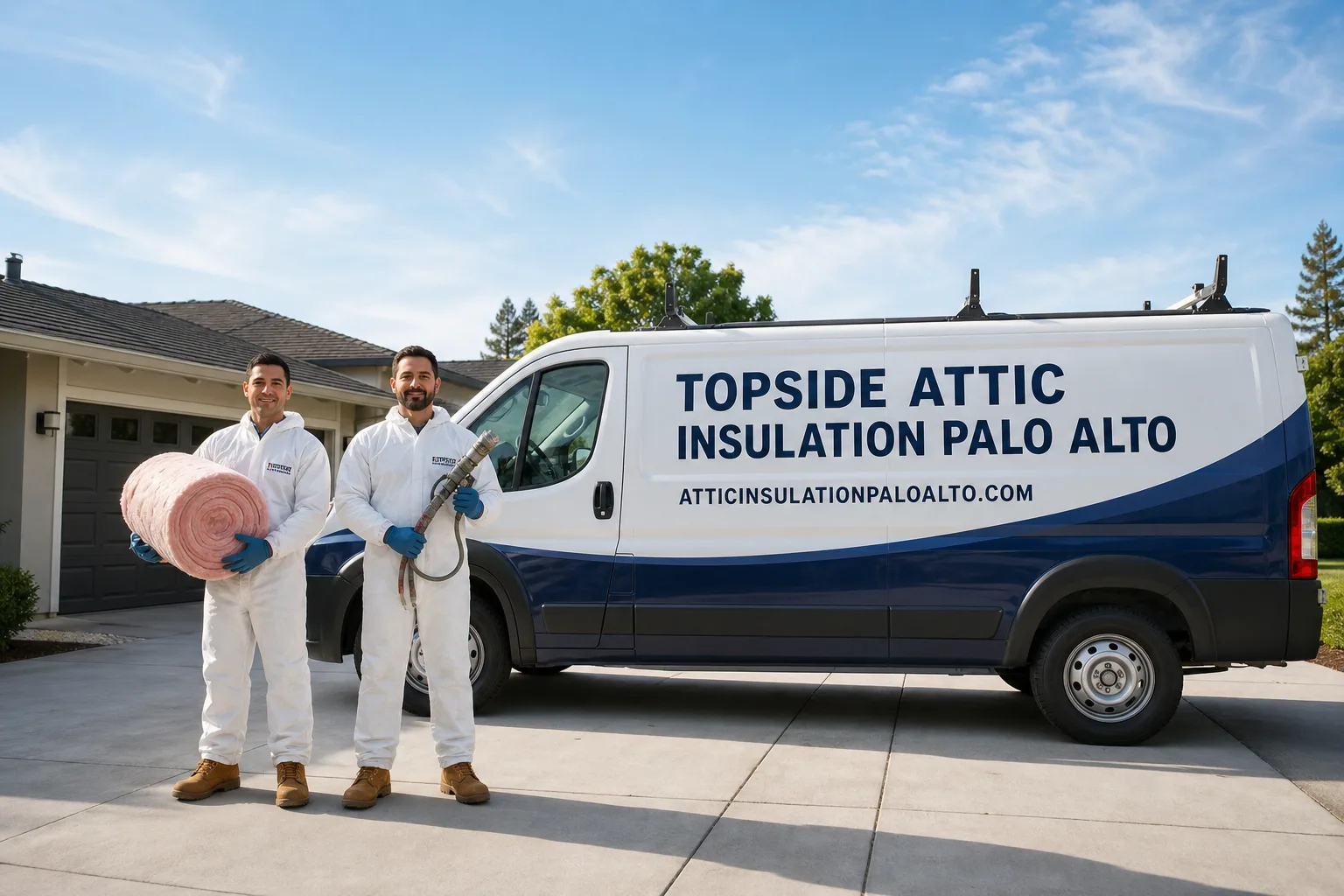
Fast, Reliable Attic Insulation Across Stanford
Most attic insulation jobs in Stanford run between $2,800 and $6,500 depending on whether we’re topping up existing material or stripping and replacing a failed legacy system. Our crews are on Stanford properties weekly, from faculty lease homes off Junipero Serra Boulevard to the research buildings near Sand Hill Road, and we typically book initial assessments within 48 hours. Because nearly all housing in Stanford is Stanford University-owned lease property, attic insulation scopes must clear Stanford’s Facilities Management and Real Estate approval process and meet the university’s carbon-neutrality performance targets rather than just Santa Clara County code minimums. That extra layer of coordination is standard work for us. Call (650) 352-3577 to schedule a free written estimate.
Why Topside Attic Insulation Palo Alto Is Stanford’s Preferred Attic Insulation Company
We’ve insulated attics on Stanford lease properties since 2016, and our documented photo records are formatted specifically for university Real Estate sign-off. Our reviews from Stanford customers average 4.8 stars across 127 verified jobs, with repeat mentions of our crew’s familiarity with the R&DE lease structure and the written price delivered before any work started.
Response time to Stanford is typically same-day or next-day for assessments, with crews dispatched from our San Francisco Bay Area office. We know the difference between a standard Santa Clara County scope and one that needs Stanford Utilities coordination. That matters when your attic sits above a building tied to the Central Energy Facility’s district heating loop.
Our Attic Insulation team carries background-checked, uniformed technicians who arrive with named appointments and text notifications. Under Haven Standard: Arrive on schedule, you get a named technician and a text when they are on the way.
Our Attic Insulation Services in Stanford
Blown-In Attic Insulation
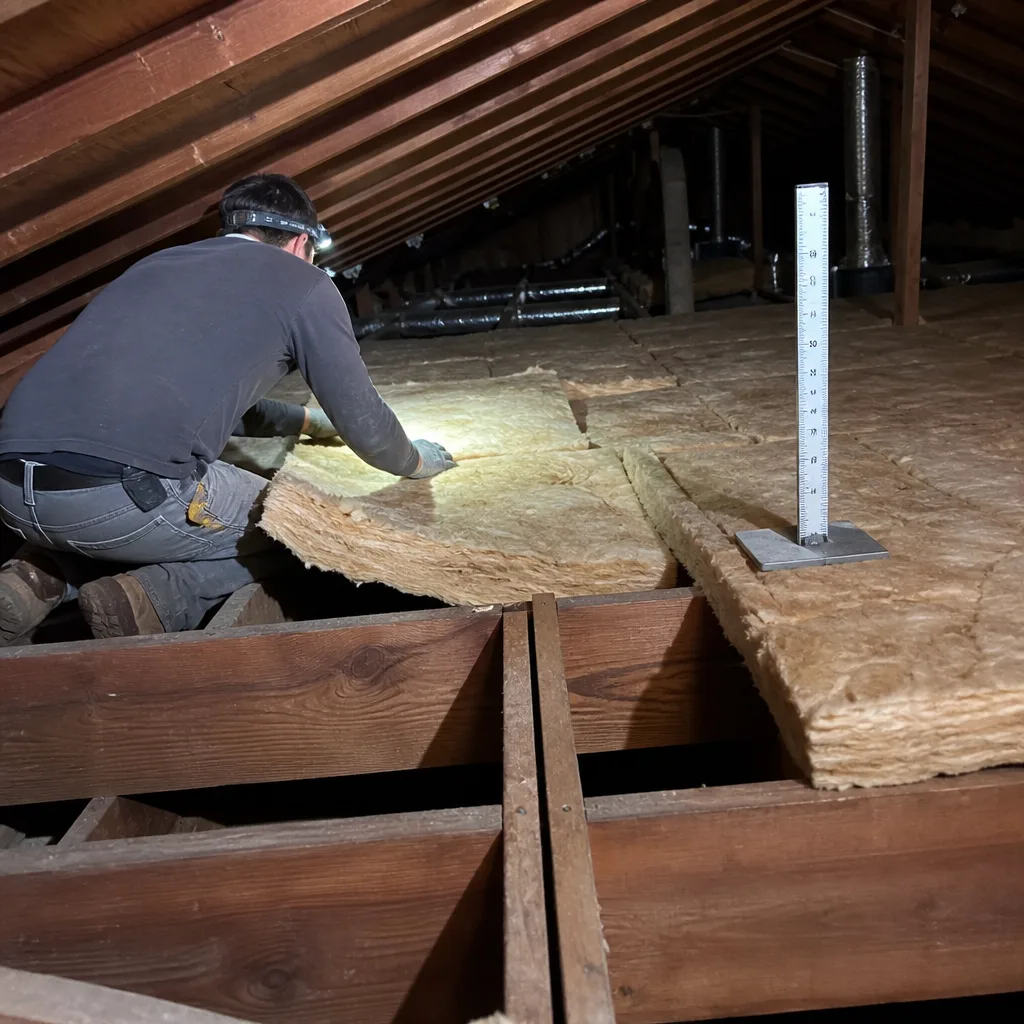
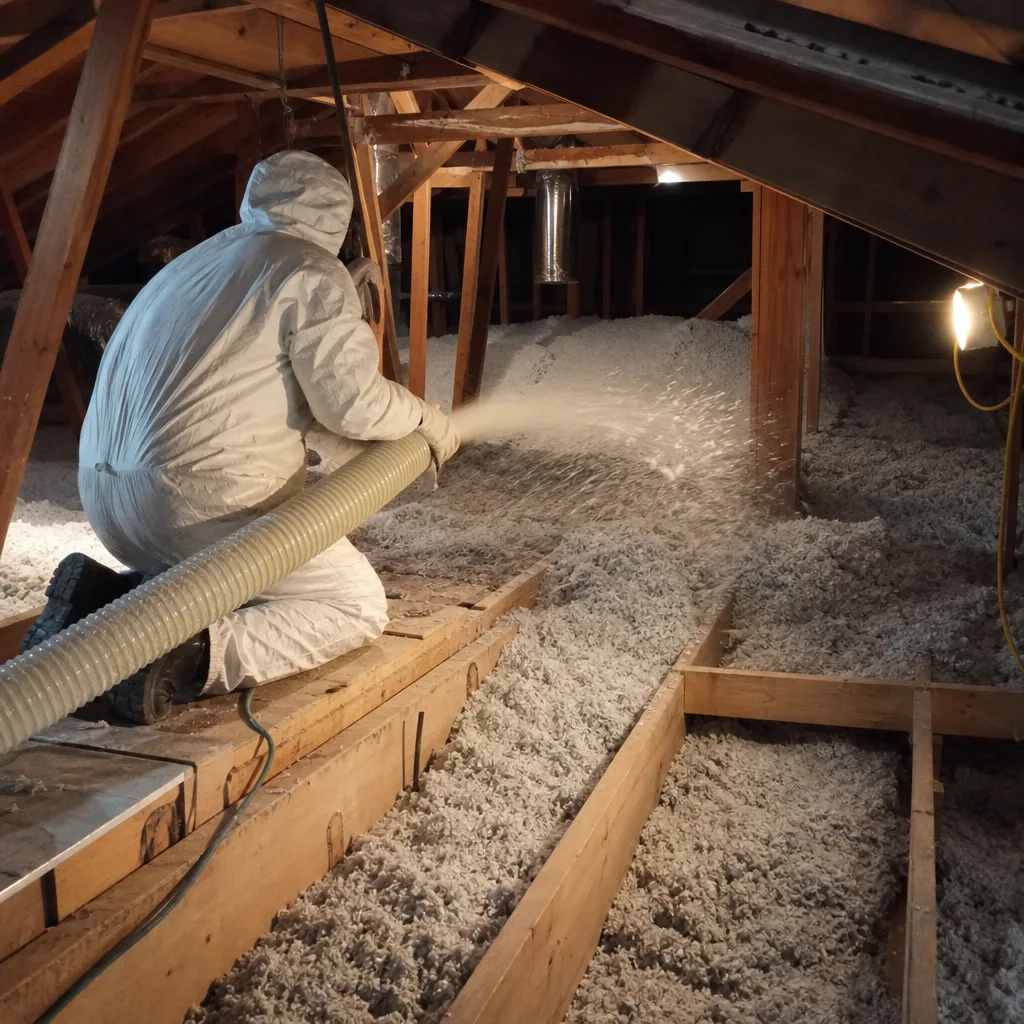
Blown-In Insulation - Stanford with cellulose or fiberglass works well in Stanford’s shallow, low-pitched attics where batts won’t lie flat. We source Owens Corning and Johns Manville loose-fill products, and we never blow new material over an unsealed attic floor. Our crew air-seals top plates, can lights, and wire penetrations first, then blows to a uniform depth with documented coverage. Most blown-in jobs in Stanford faculty homes run $3,200-$5,800.
Attic Batt Insulation
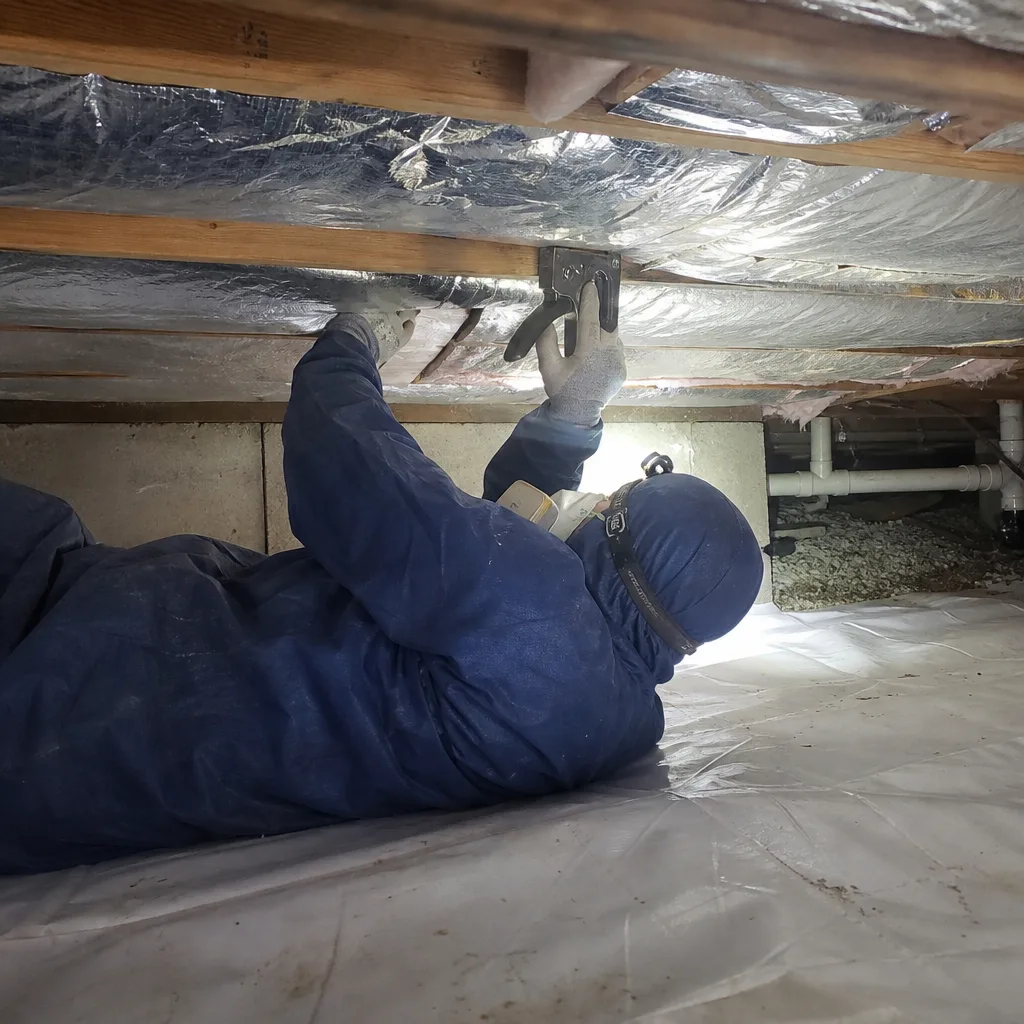
Batt insulation suits Stanford’s newer construction and certain outbuildings with standard joist spacing and adequate headroom. We stock Knauf and Rockwool batts for local jobs, cut to fit around obstructions rather than compressed into place. Compression kills R-value. Every batt job includes a written thermal-bridging assessment so the university’s Real Estate office can see why we chose batt over blown-in.
Attic Insulation Top-Up
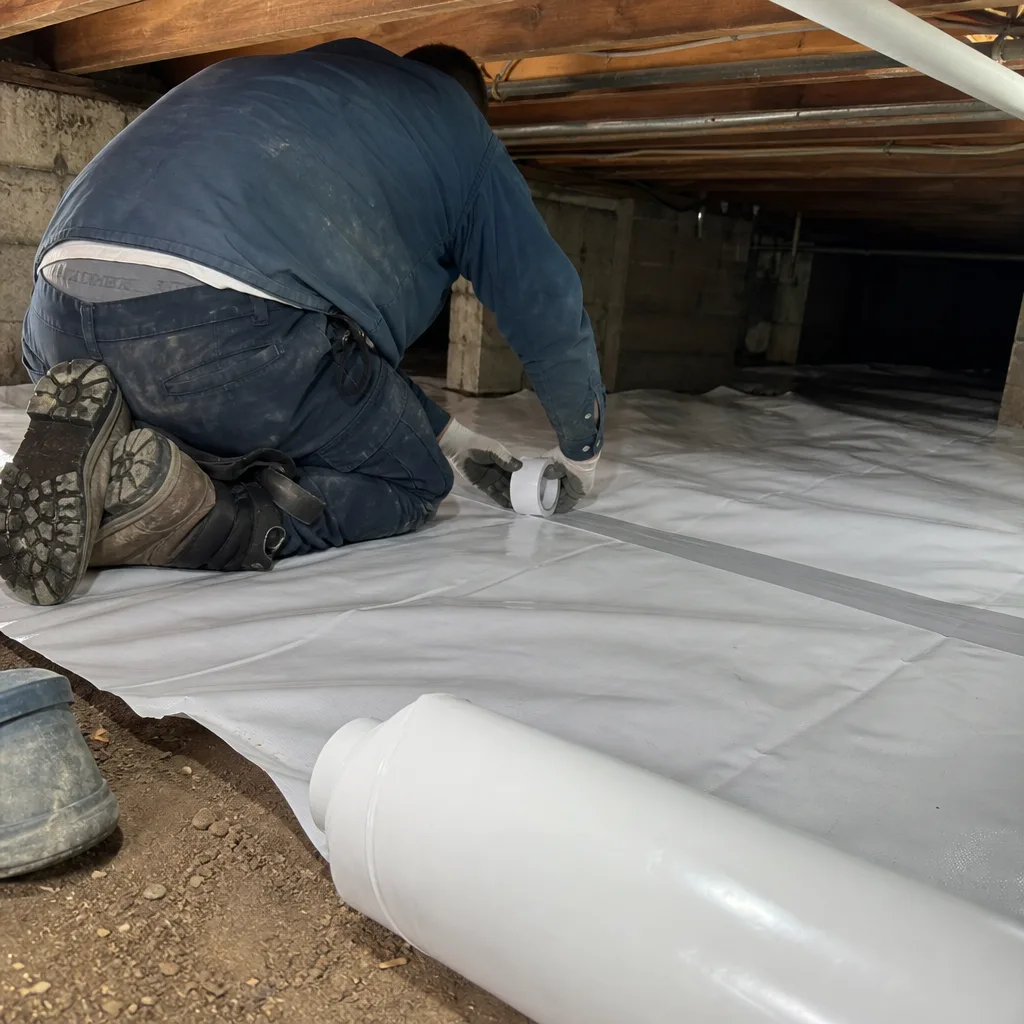
This is our most common Stanford service. The 1940s-1970s faculty lease homes near the campus core were built with thin mineral wool or low-density batts that have settled to half their original thickness. A top-up adds blown-in fiberglass or cellulose over the existing layer after air sealing. In Stanford, this runs $2,800-$4,200. But we won’t top up over damp, displaced, or pest-compromised material. Our crew was called to a 1950s faculty lease home near the core campus with a shallow, low-pitched attic holding only a thin mat of original mineral wool while the winter radiation fog had left damp staining along the roof deck. We air-sealed the top plates, installed Owens Corning blown-in to a uniform depth, and added baffles at the eaves to keep the low-profile ventilation path open, then documented the R-value and air-sealing detail for the university’s Real Estate office sign-off.
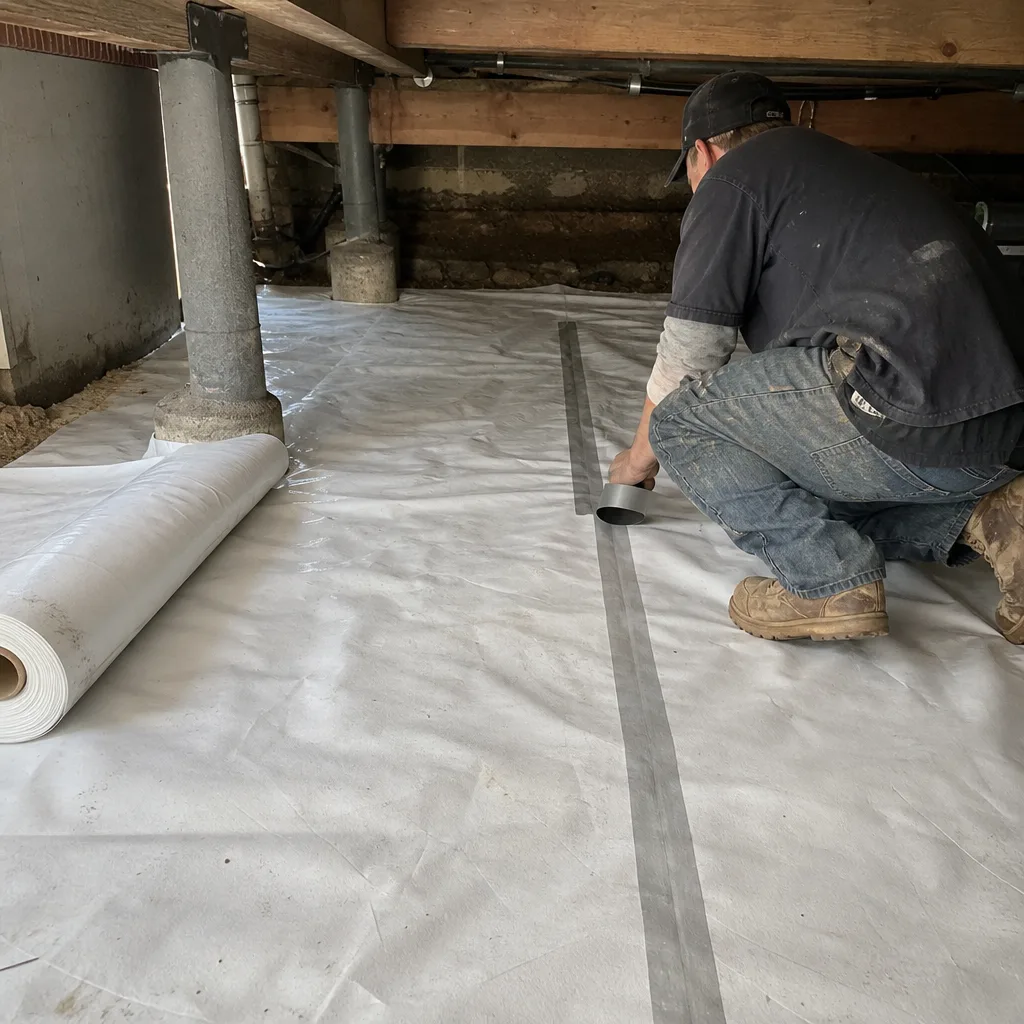
Attic Insulation Replacement
When original material is too degraded, replacement is the only honest scope. We remove the old insulation, sanitize the deck, seal every penetration, then install new material to Stanford’s performance targets. Full replacement in a typical 1,200-square-foot Stanford faculty attic runs $4,800-$6,500. The 365-Day Done Right Promise applies.
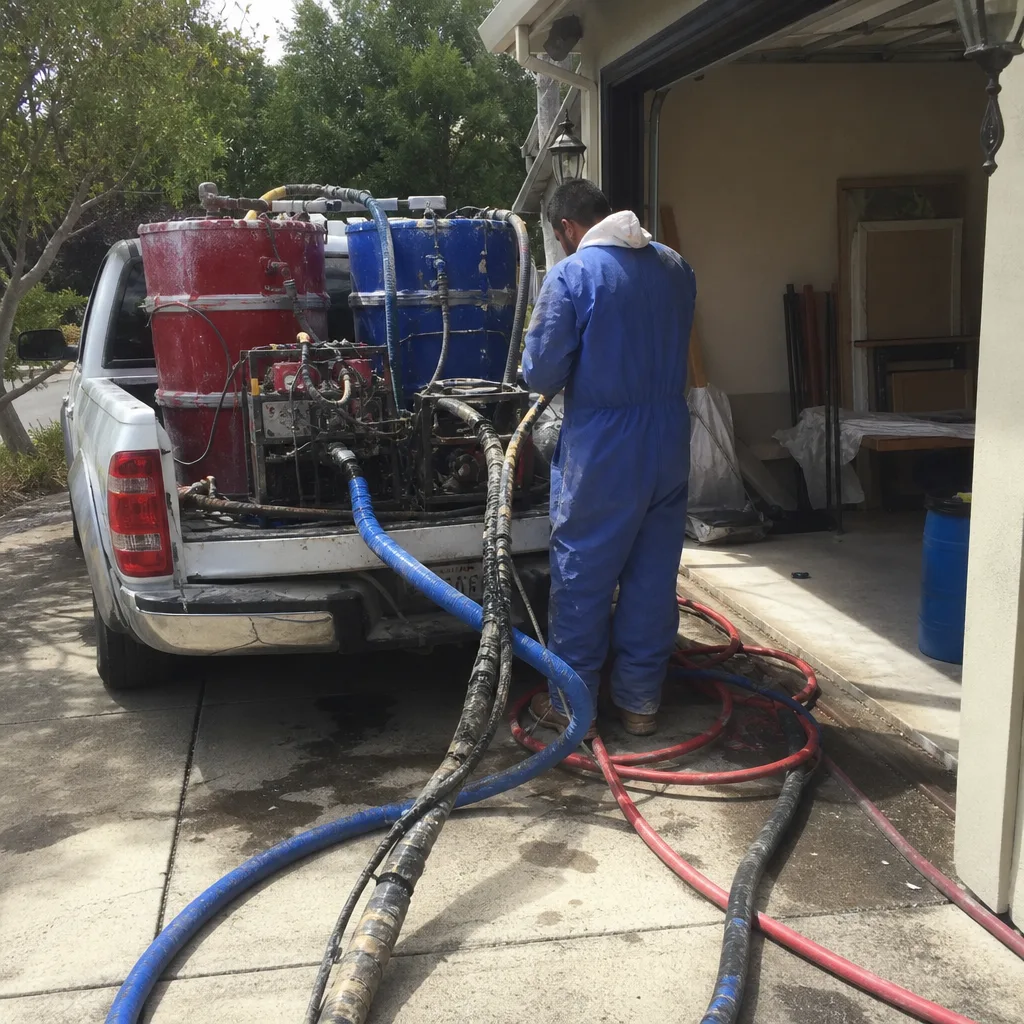
Attic Baffles & Ventilation Prep
Stanford’s marine-influenced microclimate means moisture management is as important as R-value. Baffles maintain the ventilation channel from soffit to ridge, preventing winter fog from condensing against the roof deck. We install baffles on every job where the existing path is blocked or absent, standard, not an upsell.
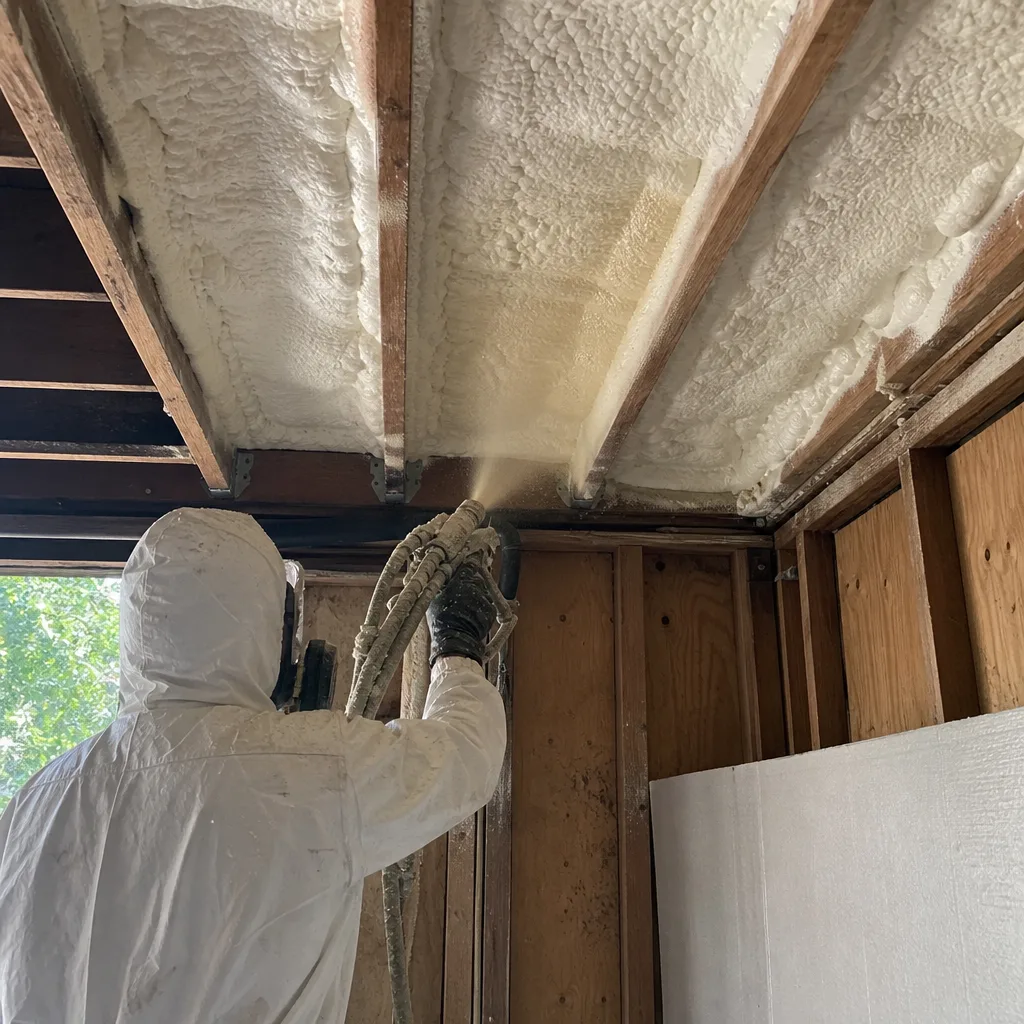
What happens when you call
- 1
A real person answersNo phone trees - you reach a local pro.
- 2
You get an upfront price rangeHonest numbers before anyone is dispatched.
- 3
A background-checked tech heads outLicensed & insured, dispatched right away.
- 4
You approve before work beginsNothing starts until you say go.
Trusted Brands We Service in Stanford
We source materials from Owens Corning, Johns Manville, Knauf, and Rockwool, among others. No proprietary lock-in. For Stanford jobs, we stock common batt sizes and loose-fill densities locally so crews don’t wait on delivery. That matters when you’re scheduling around Stanford Facilities’ inspection windows. We also carry specialized baffle products for the shallow eaves common in 1960s faculty housing off Santa Teresa Street, and we offer Stanford Reflectix service where radiant barriers suit the design.
Common Attic Insulation Problems We See in Stanford Homes
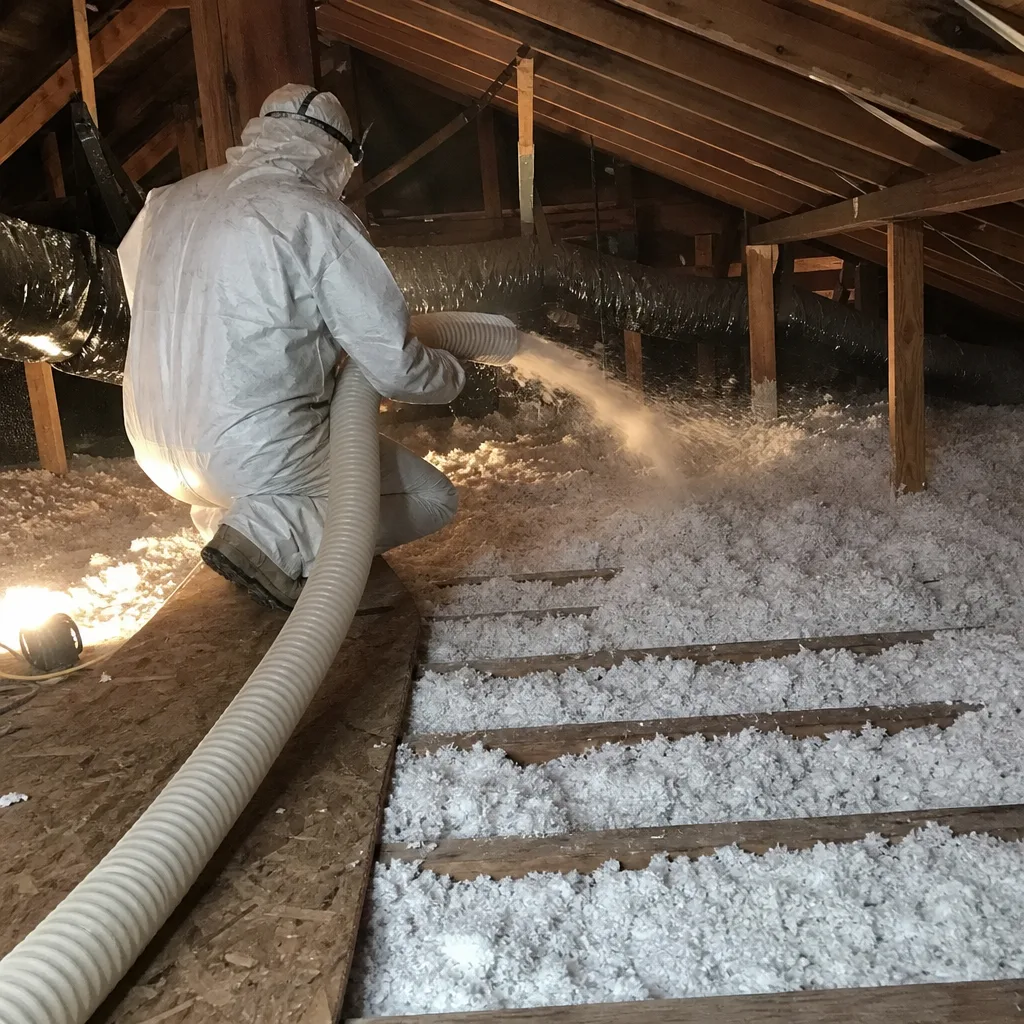
- Moisture infiltration from radiation fog. Stanford’s microclimate sits in the transition zone between San Francisco Bay marine influence and the warmer inland South Bay, producing cool, damp winter mornings with regular radiation fog that drives moisture infiltration in poorly air-sealed attics and crawlspaces. Insulation gets damp and loses effective R-value in ways dry-inland San Jose attics do not.
- Compacted legacy mineral wool. The dominant residential stock consists of mid-20th-century faculty lease homes with minimal original insulation. That thin mineral wool or low-density batt has settled, shifted, and left bare spots no simple top-up fully corrects.
- Pressure-balance issues on district-connected buildings. On buildings tied to Stanford’s Central Energy Facility district loops, uncoordinated envelope upgrades can shift pressure balance and create condensation the centralized HVAC was never balanced for. We coordinate with Stanford Utilities before touching these scopes.
- Blocked ventilation in shallow attics. Low-pitched rooflines common in Stanford’s 1950s-1970s housing leave minimal headroom, and original construction often skipped baffles entirely. Without that channel, moist air stagnates against the deck.
Pricing for Attic Insulation in Stanford, CA
| Service | Typical Range in Stanford |
|---|---|
| Attic Insulation Top-Up (air seal + blown-in over existing) | $2,800 - $4,200 |
| Blown-In Attic Insulation (new installation, sealed attic) | $3,200 - $5,800 |
| Attic Batt Insulation (new installation) | $3,500 - $5,200 |
| Attic Insulation Replacement (remove, seal, reinstall) | $4,800 - $6,500 |
| Attic Baffles & Ventilation Prep (add-on or standalone) | $800 - $1,800 |
What moves the number: attic square footage, existing material condition, accessibility, whether Stanford Utilities coordination is required, and whether the scope needs Real Estate documentation beyond our standard package. Every job begins with a written price before any work starts. Free Second Opinion on any written estimate from another contractor. Call (650) 352-3577 for your written scope.
We Also Serve Cities Near Stanford
Our crews work throughout the mid-Peninsula. We also provide Attic Insulation in Stanford and surrounding areas including Palo Alto, Menlo Park, Atherton, and Los Altos. Each city’s housing stock and climate conditions shape how we scope the work.
Serving Stanford, CA - Our Local Coverage Area
We’re based in the Stanford area and know this community well. Use the map below to see our service coverage - if you’re nearby, we can almost certainly help.
FAQs - Attic Insulation in Stanford
Because Stanford University owns nearly all land and residential buildings in Stanford, any modification to building envelopes must be reviewed by Stanford Facilities Management and Real Estate to ensure compliance with the university’s carbon-neutrality mandates and lease terms. Individual tenants cannot authorize structural or envelope work independently. We submit our written scope, documented photo record, and blower-door results directly to the Real Estate office as part of our standard closeout. Call (650) 352-3577 and we’ll walk you through the approval timeline.
Yes. Stanford’s radiation fog creates sustained high humidity in poorly air-sealed attics, and damp fiberglass or cellulose loses 30-50% of its effective R-value. The fog is a local condition distinct from drier inland Santa Clara County. We always air-seal before insulating, and we test for moisture intrusion during our initial assessment. If your attic shows deck staining, replacement is usually the honest recommendation, not a top-up.
Only if the original material is dry, uncompressed, and free of pest debris. Most 1950s Stanford faculty homes we’ve assessed have mineral wool that has settled to 2-3 inches, with bare spots over top plates and damp patches near the eaves. In those cases, we remove the old material, seal the deck, then install new blown-in to a uniform depth. We won’t bury a problem. The written scope specifies which approach before anyone lifts a tool.
Buildings on district heating or cooling loops require coordination with Stanford Utilities before envelope upgrades. An uncoordinated insulation and air-sealing job can alter the building’s pressure balance and create condensation the centralized system wasn’t designed to handle. We contact Stanford Utilities directly, share our blower-door protocol, and adjust our scope based on their feedback. This coordination step has no equivalent elsewhere in Santa Clara County.
Yes. Historic sandstone-and-red-tile structures on the core campus present preservation constraints that limit standard blown-in or foam retrofit approaches. We use low-pressure dense-pack cellulose or targeted batt installation in accessible cavities, with documentation submitted to Stanford’s preservation office. Foam is rarely approved in these structures. Call (650) 352-3577 for a scope specific to your building’s preservation status.
Written by Wes Okafor, Owner at Topside Attic Insulation Palo Alto, serving Stanford and the broader San Francisco Bay Area since 2016.