
Icynene Radiant Barrier Installation in Palo Alto: What to Know First
We provide independent Icynene radiant barrier installation in Palo Alto, typically completing attic jobs in one day with a written price locked before any work starts. Most homes in the area run between $2,800 and $5,400 for full radiant barrier integration with existing Icynene foam assemblies, depending on attic square footage and whether the roof deck needs foil-over-foam or a standalone barrier system. This page is for homeowners who already have Icynene spray foam in their attic or walls and want to add radiant barrier performance without compromising the foam envelope. Call (650) 352-3577 for a free estimate with a written scope delivered before we schedule.
How Icynene Products Fail - and How We Fix Them
- Icynene Classic Max (open-cell) shrinkage at roof deck interfaces. The open-cell structure can pull back 1/4 to 1/2 inch from rafter edges in Palo Alto’s dry summer heat, creating a thermal bypass where radiant heat pours through. We find this most often in south-facing attic sections above Old Palo Alto and Professorville. Our fix: we don’t cover the gap with foil and hope. We cut back to sound foam, reseal the interface with compatible water-based sealant, then install the radiant barrier with a proper air gap maintained.
- Icynene MD-R-200 (medium-density) cracking at top plate transitions. This closed-cell line cures rigid, and the differential movement between roof framing and wall top plates in older Palo Alto ranch homes produces hairline fractures. The cracks don’t hurt the foam’s R-value much, but they destroy the air barrier continuity that radiant barrier systems depend on. We pressure-map the attic with a smoke pencil, mark every crack, then seal with Demilec-compatible low-expansion foam before laying any foil.
- Icynene LD-C-50 overspray on electrical penetrations. Light-density open-cell sometimes encases junction boxes or romex runs in a way that traps heat and violates electrical code clearances. We’ve pulled back foam in Midtown Palo Alto homes where the inspector flagged it during a solar panel upgrade. We remove the affected foam carefully, restore code clearance, then route the radiant barrier around the penetration with a fire-rated escutcheon.
- Icynene water absorption in crawl space applications. When Icynene open-cell is used below grade in Palo Alto’s clay-heavy soils near San Francisquito Creek, seasonal moisture wicks into the foam and degrades its thermal performance. Radiant barrier retrofit in these spaces requires us to assess whether the foam is salvageable or if we’re installing barrier over a substrate that’s already compromised. We test with a moisture meter and document the reading; if it’s above 15 percent, we recommend encapsulation first.
- Icynene compatibility issues with reflective foil adhesives. The surfactants in some Icynene formulations can outgas for months, interfering with the acrylic adhesives used in cheaper radiant barrier tapes. We’ve seen foil peel in 90 days on jobs where the previous contractor didn’t account for this. We use mechanical fastening with capped staples on Icynene substrates, or specify a foil-faced polyiso board if the homeowner wants a fully adhered system.
Our Icynene Radiant Barrier Installation Process
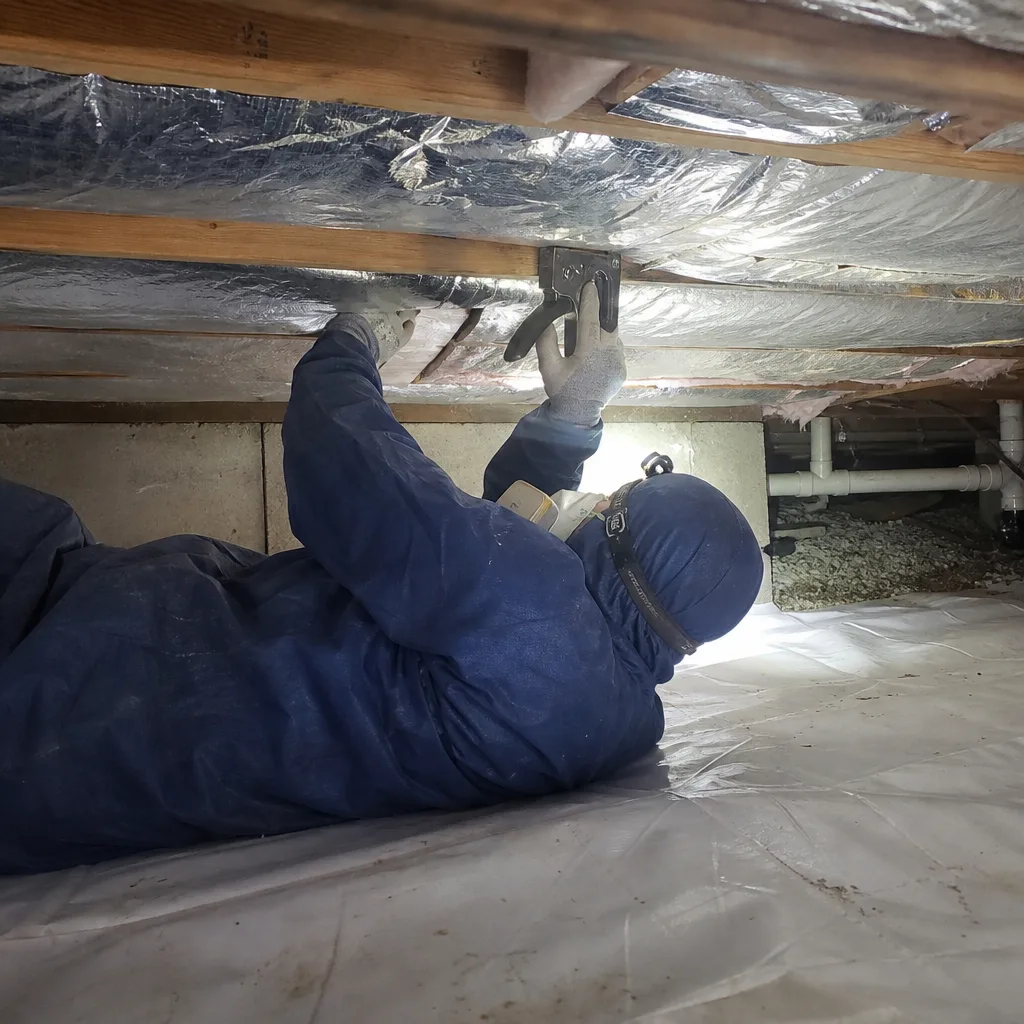
- 1
Attic assessment with written scope. We photograph every Icynene surface, note the product line if it’s visible on the original install tag, and test for air leakage with a blower-door if the homeowner doesn’t have recent numbers. You get the photos and a flat price before we schedule.
- 2
Air sealing before barrier contact. Every top plate, can light, and penetration gets sealed. Seal the leaks first. The insulation has nowhere to work if the air is moving around it. We use compatible sealants matched to your specific Icynene formulation.
- 3
Substrate repair and preparation. Any cracked, shrunken, or moisture-compromised Icynene gets cut back and repaired. We don’t install radiant barrier over damaged foam; the warranty doesn’t allow it and neither do we.
- 4
Radiant barrier installation with proper air gap. For roof deck applications, we maintain a minimum 3/4-inch gap between foil and Icynene surface, per ASTM C1313. For attic floor jobs over Icynene, we verify the foam is rated for compression loading or specify a raised walkway system.
- 5
Performance verification and documentation. On jobs where blower-door testing was scoped, we run the test again and publish the before-and-after CFM50 reading in your written report. Every customer receives a Documented Photo Record showing the barrier installation, the air-sealing locations, and the final condition of all Icynene surfaces.
- 6
365-Day Done Right Promise activation. Your written warranty and scope are delivered before the crew leaves. If the barrier performance doesn’t match what we documented, we make it right.
What Icynene Radiant Barrier Installation Costs in Palo Alto
Most Icynene radiant barrier jobs in Palo Alto fall between these ranges:
| Scenario | Typical Range |
|---|---|
| Attic floor radiant barrier over existing Icynene (up to 1,200 sq ft) | $2,800 - $3,900 |
| Roof deck foil-over-foam with air gap maintenance | $3,800 - $5,400 |
| Icynene repair + radiant barrier (shrinkage or crack remediation) | Add $600 - $1,400 |
| Crawl space radiant barrier with moisture remediation | $4,200 - $6,800 |
What moves the price: attic accessibility (some Palo Alto Eichlers have hatches too small for a grown adult), whether the original Icynene install tag is legible (we need to match chemistry), and whether the electrical panel needs relocation for safe working clearance. We don’t quote by phone without photos; we do provide a written price on every job, always, with no obligation until you approve the scope. Call (650) 352-3577 for your free estimate.
Why Palo Alto Homeowners Call Topside Attic Insulation Palo Alto for Icynene Work
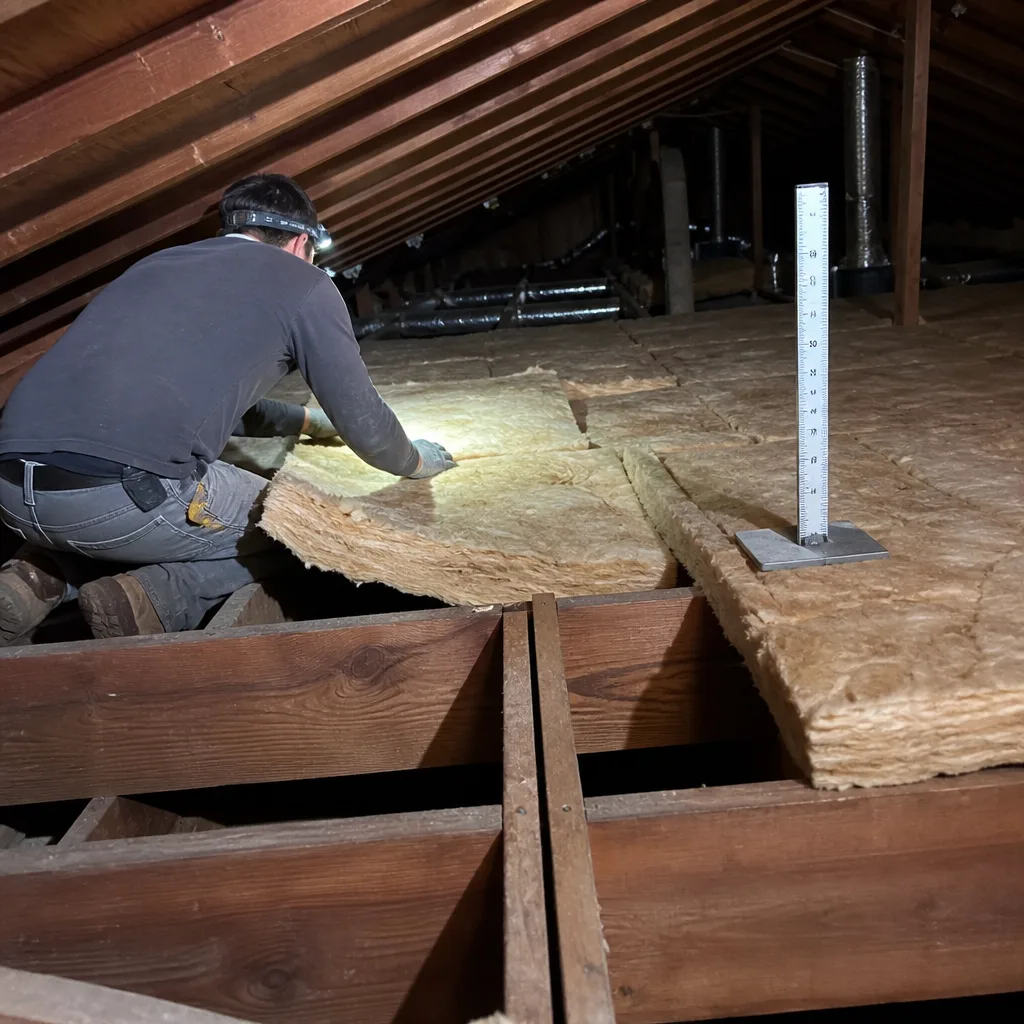
We’ve been running jobs on the peninsula since 2016, from the older ranch homes near Midtown Palo Alto to tight new builds where the blower-door number still surprises owners who assumed new construction was already sealed. Wes Okafor grew up on Chicago’s South Side and learned the trade at Richard J. Daley College, where the curriculum ran heavy on air-sealing fundamentals before insulation ever came up; that sequence still governs how we work. We’re independent - not Icynene-authorized, not affiliated - which means we source materials from Owens Corning, Johns Manville, Knauf, Rockwool, CertainTeed, Icynene, Demilec, and GreenFiber without lock-in. If your Icynene system needs a Reflectix barrier solution instead, we install that too. Every job gets a written price first, a Documented Photo Record at close, and the 365-Day Done Right Promise in writing. Live person answers the phone 24/7.
FAQs
No, if the work is performed by a qualified contractor using compatible materials and methods. Icynene’s warranty covers product defect, not subsequent modifications; the risk is in damaging the foam during installation or using adhesives that chemically interact. We document the pre-existing foam condition with photos before we touch it, and we use installation methods that don’t penetrate the foam envelope. Call (650) 352-3577 and we’ll review your original install paperwork with you.
Most Icynene radiant barrier assessments are scheduled within 48 hours, and installation typically follows within a week once the written scope is approved. Emergency situations - like a failed foam surface exposed by a roof leak - get same-day response. A live person answers calls 24/7, so you’re not waiting for a callback window.
Repair if the foam is structurally sound and the failure is localized shrinkage, cracking, or minor moisture exposure. Replace if the foam is more than 30 percent compromised, if it’s the wrong density for the application (open-cell below grade, for instance), or if the original installer used an incompatible formulation. We make this call with a moisture meter, a smoke pencil, and photos - not a sales pitch. The assessment is free.
We stock barrier systems compatible with all major Icynene formulations, including the mechanical fastening hardware that avoids adhesive compatibility issues. For specialty applications - like the foil-faced polyiso boards used in some Palo Alto hillside homes with complex roof geometry - we source within 24 hours from regional suppliers. No proprietary lock-in means we can pivot if your specific job calls for Reflectix or another brand.
A written pre- and post-installation report with the R-value achieved, air-sealing locations documented with photos, and the final blower-door result if testing was scoped. This is Haven Standard: you leave with the record, not a promise to email it later. Every customer gets this, no exceptions.
Written by Wes Okafor, Owner, Topside Attic Insulation Palo Alto at Topside Attic Insulation Palo Alto, serving Palo Alto and nearby areas.