
How Much Does Attic Cleaning & Rodent Proofing Cost in Palo Alto?
Attic Cleaning & Rodent Proofing in Palo Alto typically runs between $1,200 and $4,800 for a single-family home, with most jobs landing around $2,000 to $3,200 once you account for contaminated insulation removal, sanitizing, and entry-point sealing. Homes in older Squares and Crescent Park neighborhoods with larger attic footprints or multi-year infestations tend to sit at the higher end of that range. If your attic has suffered rodent damage, a written scope with line-item pricing before any work starts is the single most important thing to get – because costs genuinely vary by condition, and a vague estimate is where surprises hide.
Attic Cleaning & Rodent Proofing Cost Breakdown (2026)
The table below reflects current Palo Alto market pricing as of 2026. These are real ranges based on what contractors are charging in the South Bay and Peninsula corridor, not national averages padded to look local.
| Service Component | Typical Range (Palo Alto, 2026) | Notes |
|---|---|---|
| Attic inspection and assessment | $0 – $150 | Many reputable contractors include this; confirm before booking |
| Contaminated insulation removal (blown-in or batt) | $600 – $1,800 | Price scales with attic square footage and contamination level |
| Attic vacuuming and debris removal | $300 – $700 | Includes droppings, nesting material, and light debris |
| Sanitizing and deodorizing treatment | $200 – $500 | Enzyme-based treatments are standard; some contractors upcharge for foggers |
| Rodent exclusion / entry-point sealing | $400 – $1,200 | Ranges widely by number of penetrations; older homes have more gaps |
| New attic insulation (post-cleaning reinstall) | $800 – $2,500 | Separate line item; necessary after full insulation removal |
| Air sealing of top plates and penetrations | $300 – $900 | Should always be done before new insulation is added – not optional |
| Full project (cleaning + proofing, no insulation reinstall) | $1,200 – $2,800 | Common for attics with partial contamination or intact insulation |
| Full project (cleaning + proofing + new insulation + air sealing) | $2,800 – $4,800+ | Complete remediation; appropriate after confirmed active infestation |
What pushes a job toward the lower end: a smaller attic (under 800 sq ft), a recent infestation caught early, blown-in insulation that stayed mostly dry and intact, and a home with newer construction that has fewer unintentional entry points. What pushes it higher: a 1940s or 1950s Eichler or ranch-style home in Old Palo Alto with a crawl-accessible attic that rodents have used for multiple seasons, saturated or compacted insulation that has to come out in full, and extensive soffit gaps or deteriorated fascia boards that require custom sealing work.
One thing to understand about Palo Alto specifically: the city’s mature tree canopy – particularly in Midtown and the Professorville area – keeps roof lines shaded and damp, which accelerates insulation degradation when rodents have already compromised it. That moisture factor means post-cleaning insulation tends to need full replacement more often here than in drier parts of Santa Clara County.
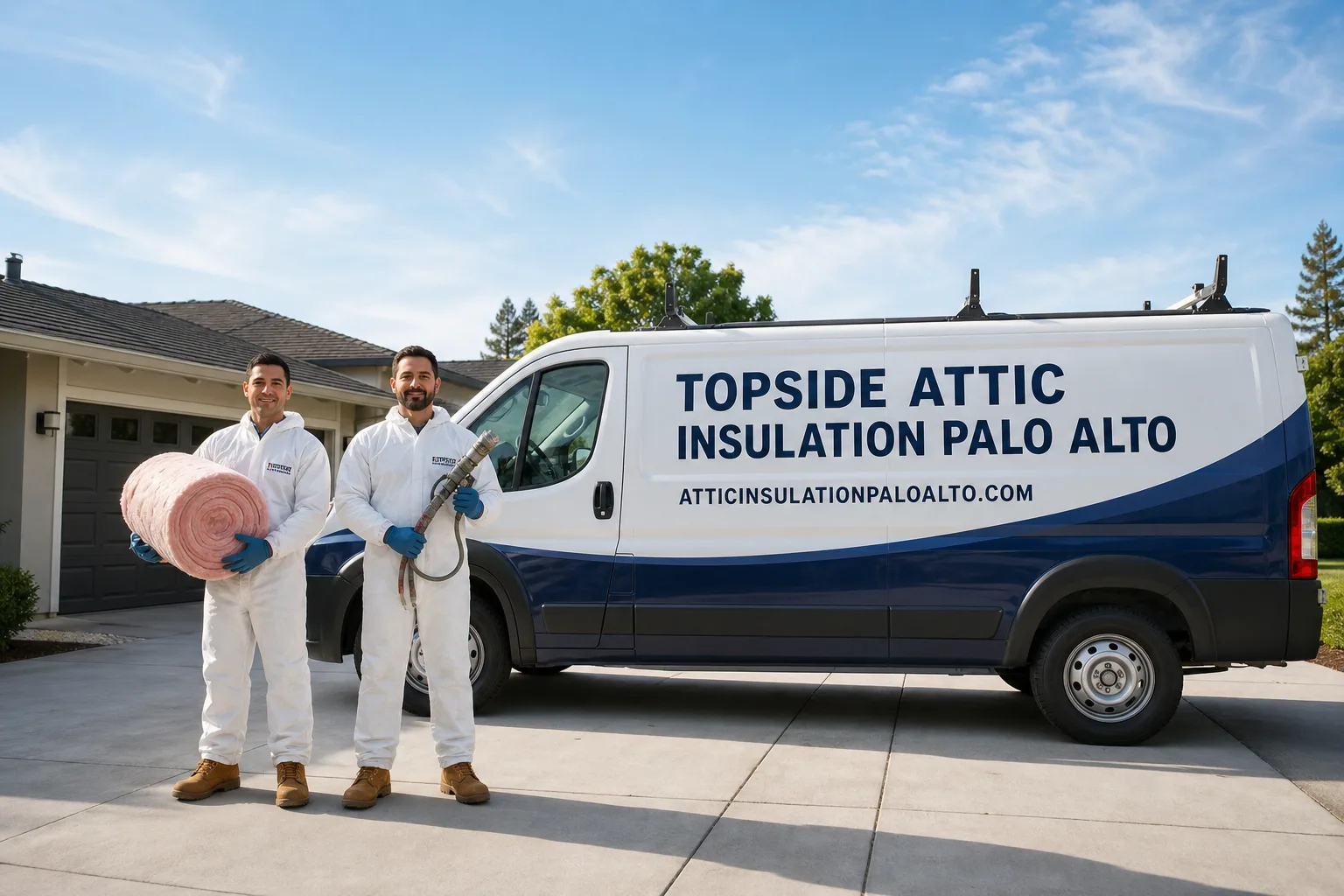
At Envelope Insulation Co., operating as Topside Attic Insulation Palo Alto in this market, every job starts with a written price. Flat figure, written scope, written warranty – before anyone touches a tool. That’s Haven Standard Clause 1, and it doesn’t have exceptions.
What Affects Attic Cleaning & Rodent Proofing Pricing in Palo Alto
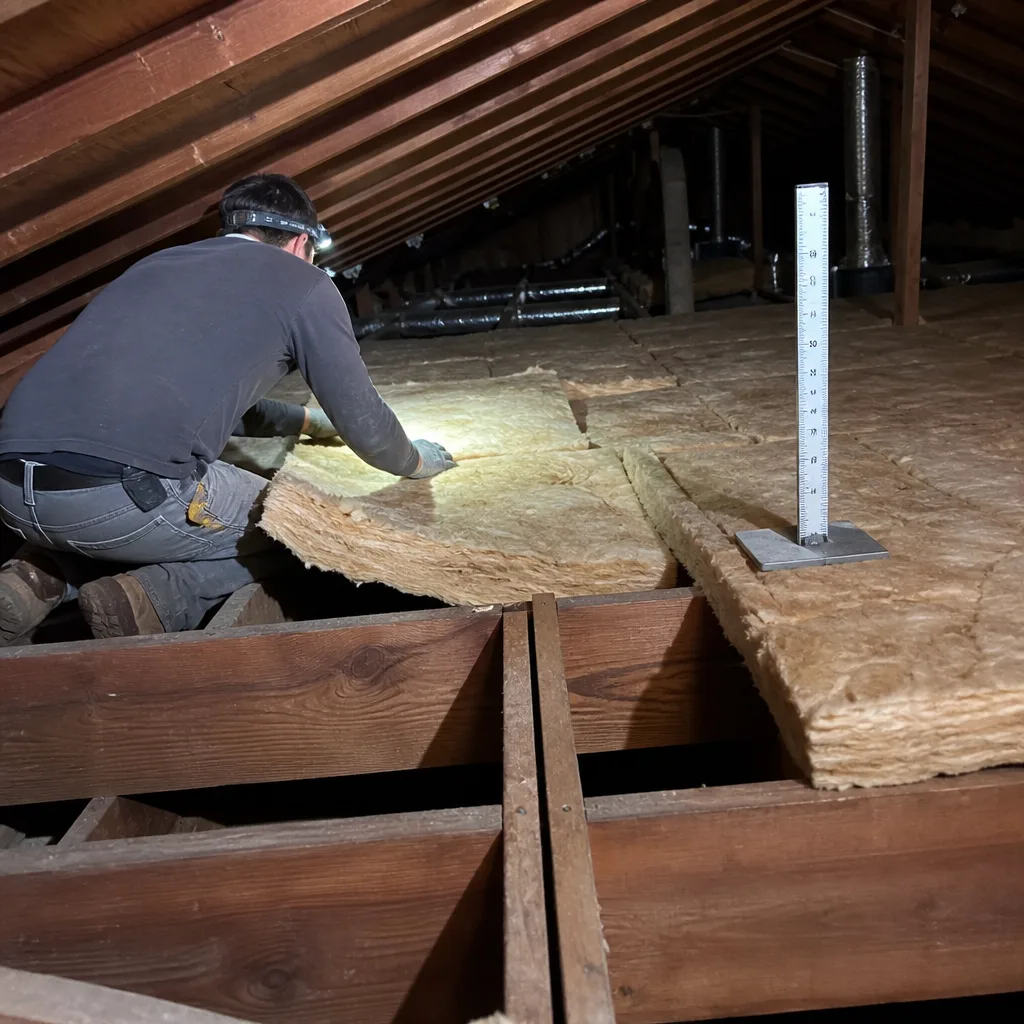
Six factors account for nearly all the cost variation we see in Palo Alto attics. Understanding them helps you read any estimate you receive – from us or anyone else.
- Attic square footage and access difficulty. Most Palo Alto single-family homes run between 900 and 1,800 square feet of attic floor space, but low-slope rooflines in midcentury Eichler homes can mean crawling 40 feet to reach the far wall with a vacuum hose. That labor time adds up, and it affects the removal line on every estimate.
- Severity and duration of the infestation. A roof rat nest discovered within one season looks nothing like an attic that has housed multiple rodent generations over three or four years. The latter typically means fully saturated insulation, significant fecal accumulation, and structural gnaw marks on top plates and wiring – each of which adds labor and sometimes brings in an electrician as a separate trade.
- Type and depth of existing insulation. Blown-in cellulose or fiberglass that has absorbed rodent waste has to come out completely and is bagged and hauled as contaminated material, which carries disposal costs. Batt insulation in good condition with localized contamination can sometimes be partially preserved, which reduces the total removal cost.
- Number of entry points requiring exclusion work. Palo Alto’s stock of pre-1970 homes – concentrated in Crescent Park, Old Palo Alto, and Barron Park – tends to have more unintended penetrations: open top plates at interior wall intersections, gaps where plumbing stacks exit the attic floor, and aged soffit panels with small separations. Counting and sealing these is time-intensive work and is the single biggest variable in rodent proofing estimates.
- Whether air sealing is included or skipped. Some contractors seal the obvious exterior entry points and stop there. That misses the interior leakage paths – open top plates, recessed light housings that penetrate the attic floor, HVAC boot connections – that let conditioned air escape and give rodents secondary pathways. Proper air sealing of these interior penetrations, completed before any new insulation goes in, adds cost upfront but prevents the cycle of reinfestation and re-remediation that doubles lifetime spend. We treat air sealing as a hard prerequisite on every attic job, not a line item you can remove from the scope.
- Local labor and disposal costs in Palo Alto. The Peninsula labor market runs higher than the national average, and Santa Clara County waste disposal fees for contaminated materials are not trivial. Contractors who quote unusually low figures are often pricing labor at rates they can’t sustain or are omitting disposal as a separate charge that appears later. A written price before work starts protects you from both.
How to Save on Attic Cleaning & Rodent Proofing
There’s a short version and a longer one. The short version: act early. Every month an active rodent population spends in an attic increases remediation cost – more waste, more structural damage, more insulation that has to come out. In Palo Alto neighborhoods with heavy tree cover, like Greenmeadow or the streets bordering Foothill Park, roof rat pressure is real year-round, and a small gap left unaddressed in spring becomes a full infestation by fall.
The longer version involves how you approach the project itself.
Get a line-item written estimate, not a ballpark
A contractor who gives you a number over the phone without inspecting the attic is guessing. You want a written scope that breaks out removal, sanitizing, exclusion work, and insulation reinstall as separate line items. That lets you compare estimates accurately – and it lets you identify what’s being omitted. Under Haven Standard Clause 1, a written price before any work starts isn’t optional; it’s how every job begins. Call (650) 352-3577 to schedule a free assessment and written estimate for your Palo Alto home.
Use the free second opinion on any written estimate you already have
If you’ve already received a written estimate from another contractor, bring it to us. We’ll read it with you line by line and tell you whether the scope covers what your attic actually needs. That review is free, and it’s not a sales pitch – it’s a read-through. Estimates that look reasonable on the surface sometimes omit air sealing entirely or bundle exclusion work in vague language that doesn’t specify how many entry points are being addressed.
Don’t skip air sealing to reduce the quote
This is the most common way homeowners inadvertently increase their total cost over time. Removing contaminated insulation and sanitizing the attic without sealing the entry points means rodents find their way back in within one to two seasons, and the remediation cycle starts over. The air sealing line on your estimate is not an upsell – it’s the part of the job that determines whether the rest of the work holds.
Combine work when the attic is already open
If you’re doing a full insulation removal anyway, that’s the right moment to also seal top plates, address recessed light penetrations, and check for any HVAC boot gaps. Doing it while the attic floor is already exposed costs a fraction of what it would cost as a separate mobilization. In older Palo Alto homes, a blower-door test – a pressurization reading that shows, in one number, how much air the building envelope is losing – taken before and after that air sealing work gives you documented proof of what changed, not just a description.
Check for utility rebates
PG&E and Peninsula Clean Energy both offer rebates on insulation and air sealing work that meets certain performance thresholds. The rebate process requires documentation – energy assessments, before-and-after measurements – so working with a contractor who publishes blower-door numbers and provides a documented photo record makes that paperwork straightforward rather than retroactive guesswork.
The Full-Remediation Process: What Actually Happens in a Palo Alto Attic
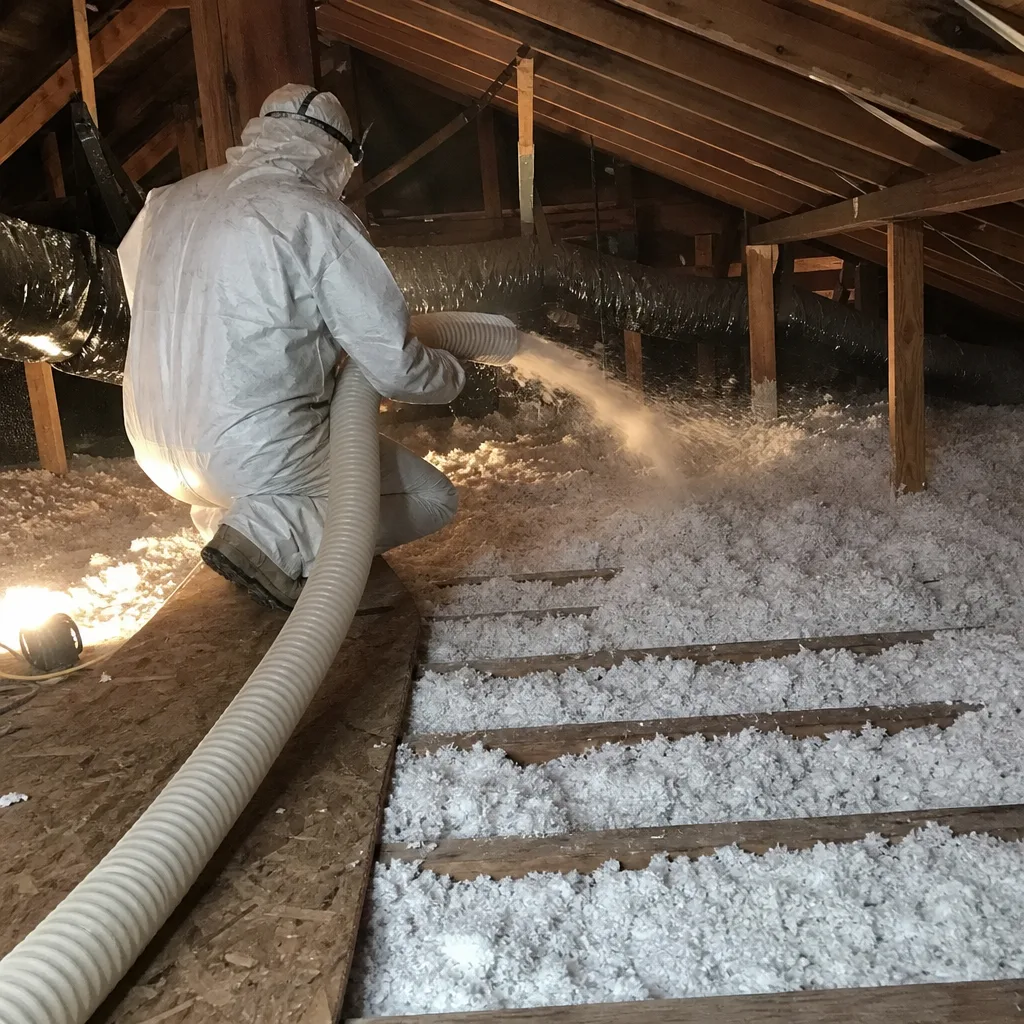
Understanding the sequence matters because it’s where cut-rate contractors cut corners, and because the sequence – not just the individual tasks – determines whether the work holds.
Step 1: Inspection and documentation
Before any removal starts, the attic is documented: photos of contamination zones, nesting locations, entry points, insulation condition, and any visible structural or wiring concerns. This is the baseline record. Under the Haven Standard, every visit generates a documented photo record – included on every job, not available on request. In Palo Alto homes with complex rooflines or multi-level attic spaces, like the split-level homes in Barron Park, this inspection step sometimes takes 45 minutes before the scope can be written.
Step 2: Contaminated insulation removal
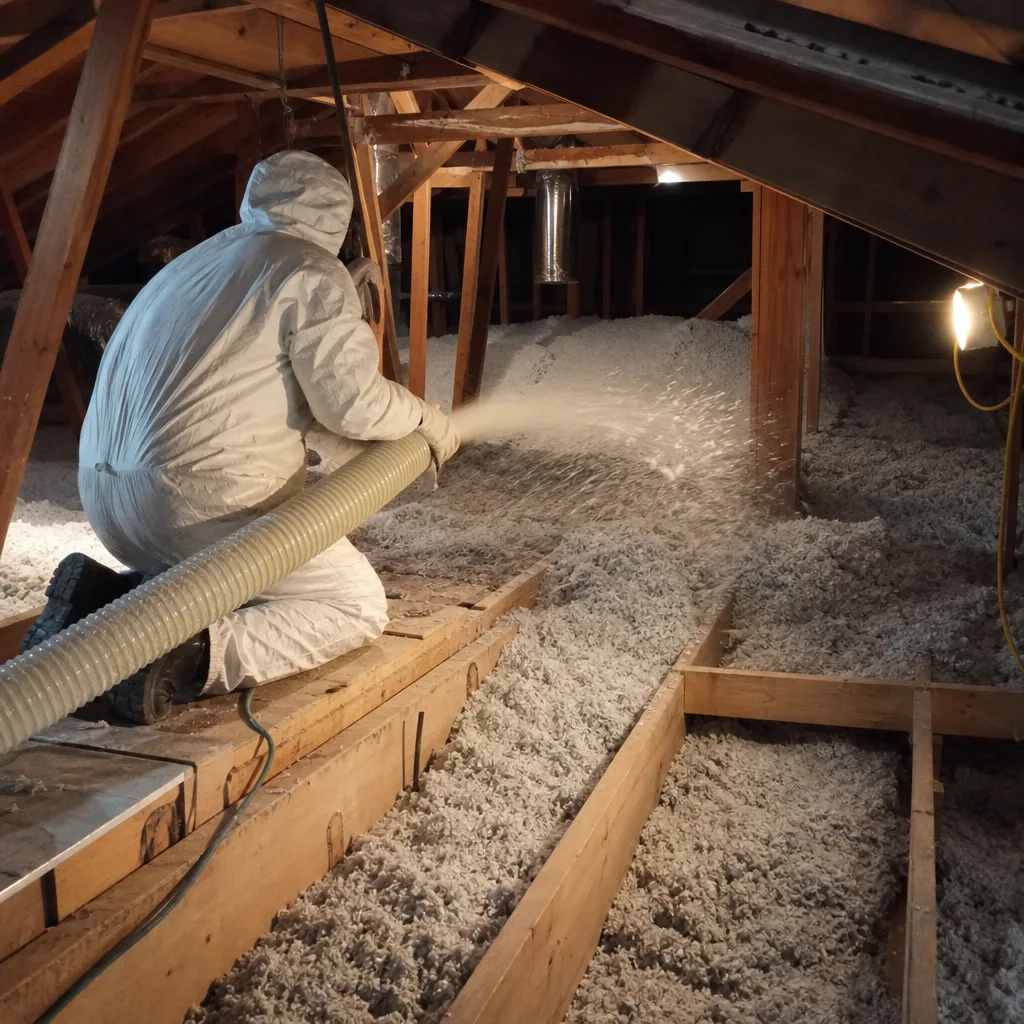
Industrial HEPA-filtered vacuum equipment removes contaminated blown-in insulation. Batt insulation is hand-removed and bagged. All material is treated as contaminated and disposed of per Santa Clara County guidelines. The attic floor – the drywall or sheathing surface, the top plates, the penetrations – is now exposed and visible.
Step 3: Sanitizing and deodorizing
Enzyme-based sanitizing treatment is applied to all exposed surfaces. This breaks down biological material at a molecular level rather than masking odor, which matters because residual pheromone traces from rodent waste actively attract new animals. Skipping this step or applying a surface-level deodorizer is one of the cleaner ways to guarantee reinfestation.
Step 4: Air sealing – before insulation, not after
This is the step that separates a complete remediation from a cosmetic one. Top plates – the framing members at the tops of interior walls where they meet the attic floor – are open in most homes built before 1985 and act as direct air conduits between living space and attic. Recessed light housings, plumbing stacks, electrical penetrations, and HVAC boots are also sealed at this stage using fire-rated foam and rigid blocking where code requires it. We complete air sealing before any new insulation is added. Blowing insulation over an unsealed attic floor is something we won’t do – not because it looks bad, but because it doesn’t work.
Step 5: Rodent exclusion
Every identified exterior entry point is sealed: soffit gaps, fascia separations, ridge vent openings that lack proper mesh, pipe penetrations through the roofline, and any gaps at roof-to-wall intersections. In older Palo Alto homes, particularly those on lots with large oak or pine trees that provide direct roof access, this step sometimes requires custom-fabricated metal flashing rather than foam alone, because foam can be chewed through by persistent roof rats.
Step 6: New insulation installation
Once the attic is sealed, clean, and documented, new insulation goes in. For most Palo Alto attics, blown-in insulation to a minimum R-38 (and ideally R-49 or higher given the Bay Area’s mild but variable climate) is the right specification. Materials come from manufacturers including Owens Corning, Johns Manville, GreenFiber, and Knauf – no proprietary product lock-in, which means the material choice is based on your attic’s specific needs, not our supply relationship.
Step 7: Blower-door reading and close-out documentation
On jobs that include air sealing, a before-and-after blower-door test gives you a CFM50 reading – cubic feet per minute at 50 pascals of pressure – that shows exactly how much the air-sealing work changed your home’s envelope performance. That number, along with the photo record and written warranty, is what you walk away with. Envelope Insulation Co. has been publishing these numbers on applicable jobs since 2016.
What the Palo Alto Market Looks Like for This Service
Palo Alto’s housing stock creates specific conditions that affect both the scope and the cost of attic remediation. The city has a higher proportion of pre-1970 construction than most of Santa Clara County – homes in Old Palo Alto, Professorville, and Crescent Park commonly date to the 1920s through 1950s. These homes have attic framing details that were never designed to be rodent-resistant: open rafter bays, unscreened gable vents, and wall cavities that connect directly to the attic floor through unsealed top plates.
The urban tree canopy that makes those neighborhoods distinctive also creates persistent roof-rat pressure. Roof rats – as opposed to Norway rats, which burrow – are exceptional climbers and use tree limbs as highways to rooflines. The Midtown and Charleston-Meadow neighborhoods, where mature sycamores and redwoods are common, see consistent roof rat activity even in homes that have been remediated once already, which is why exclusion work that accounts for tree proximity matters.
Newer construction in the Stanford Research Park corridor and the newer developments along El Camino Real tends to have better-sealed building envelopes and fewer spontaneous entry points, which generally keeps remediation costs lower when infestations do occur.
For a complete look at how the service works and what to expect from the process, see our Attic Cleaning & Rodent Proofing in Palo Alto service page.
Key Takeaways
- Most Palo Alto attic cleaning and rodent proofing jobs cost between $1,200 and $4,800, with the majority of complete remediations (including insulation replacement) landing between $2,800 and $4,000.
- Attic square footage, infestation duration, and number of entry points are the biggest cost drivers – all three vary significantly across Palo Alto’s older housing stock.
- Air sealing must happen before new insulation is installed. Any contractor who skips this step is leaving the work incomplete, regardless of what the invoice says.
- A written price before work starts is not a courtesy – it’s the only way to hold a contractor accountable to a scope. Get it in writing.
- Combining rodent proofing with insulation reinstall and air sealing in a single mobilization is almost always cheaper than doing them sequentially.
- PG&E and Peninsula Clean Energy rebates may offset part of the insulation cost – ask for documented before-and-after measurements to support the rebate application.
FAQs – Attic Cleaning & Rodent Proofing Cost in Palo Alto
How much does attic cleaning and rodent proofing cost in Palo Alto?
Most jobs in Palo Alto run between $1,200 and $4,800. A cleaning-and-proofing job without full insulation replacement (appropriate when insulation is intact and contamination is localized) typically costs $1,200 to $2,800. A complete remediation that includes removing contaminated insulation, sanitizing, air sealing, rodent exclusion, and new insulation installation generally runs $2,800 to $4,800 or higher for larger homes. These ranges reflect 2026 Peninsula labor and disposal costs. Call (650) 352-3577 for a written estimate specific to your home’s attic – the assessment is free.
Does rodent proofing actually prevent reinfestation, or is it a temporary fix?
Done correctly, rodent exclusion is permanent – not temporary. The key word is “correctly.” Sealing exterior entry points with expanding foam alone, without addressing interior air pathways or roof-adjacent gaps that rodents can chew through, often fails within one to two seasons. In Palo Alto neighborhoods with dense tree canopy, we also recommend physical barriers (galvanized mesh or metal flashing) at roof-to-fascia junctions that have direct tree limb access. A job that includes a documented photo record of every sealed entry point gives you something to verify – and something to show a second contractor if you ever want a second opinion on whether the work holds.
How long does the attic cleaning and rodent proofing process take?
For a typical Palo Alto single-family home with a 1,000-to-1,400 square foot attic, a full remediation – removal, sanitizing, air sealing, exclusion, and insulation reinstall – generally takes one to two full days. Smaller jobs focused only on cleaning and exclusion, without insulation replacement, can often be completed in a single day. Access difficulty matters: low-slope Eichler attics or attics with limited hatch access add time. The written scope we provide before work starts will give you a realistic timeline alongside the price.
Is it cheaper to repair or replace the insulation after rodent damage?
In most cases where rodent activity has been present for more than one season, full replacement costs less in total than partial repair. Insulation that has absorbed rodent waste can’t be spot-cleaned effectively – the contamination wicks into surrounding material and the pheromone traces that attract new rodents persist even after surface treatment. Partial removal followed by topping-off with new insulation over contaminated substrate is the approach that most often leads to a second remediation call within two or three years. Full removal runs $600 to $1,800 for a typical Palo Alto attic; that upfront cost is nearly always lower than the combined cost of a second remediation cycle. Call (650) 352-3577 and we’ll tell you, based on the inspection, which approach actually applies to your situation.
Does attic cleaning and rodent proofing qualify for any rebates in Palo Alto?
The cleaning and exclusion work itself typically doesn’t qualify for utility rebates, but the insulation and air sealing components that are part of a full remediation often do. PG&E’s Energy Upgrade California program and Peninsula Clean Energy both offer rebates on insulation upgrades that meet minimum R-value requirements, and some air sealing work qualifies under weatherization incentive structures. Rebate amounts change year to year, but the documentation requirement – before-and-after measurements, written scope – is consistent. A contractor who provides blower-door readings and a documented photo record on every applicable job makes that rebate application straightforward. We’ve been producing that documentation on every job since 2016.
How do I know if my Palo Alto attic needs cleaning now, or if it can wait?
Three indicators that suggest acting now rather than waiting: you can smell a persistent musty or ammonia odor from ceiling registers or the attic hatch; you can hear scratching or movement in the attic at night (roof rats are nocturnal); or you’ve found droppings in the attic within the last 60 days. Any of those conditions means an active or recently active infestation, and every additional month adds to the removal scope and cost. In Palo Alto’s older neighborhoods, late summer through early winter is when roof rat pressure peaks as animals move indoors ahead of the rainy season – that’s the highest-risk window for new entry. Getting a free assessment in September or October costs nothing and tells you exactly what you’re dealing with. Call (650) 352-3577 to schedule.
About This Pricing Guide
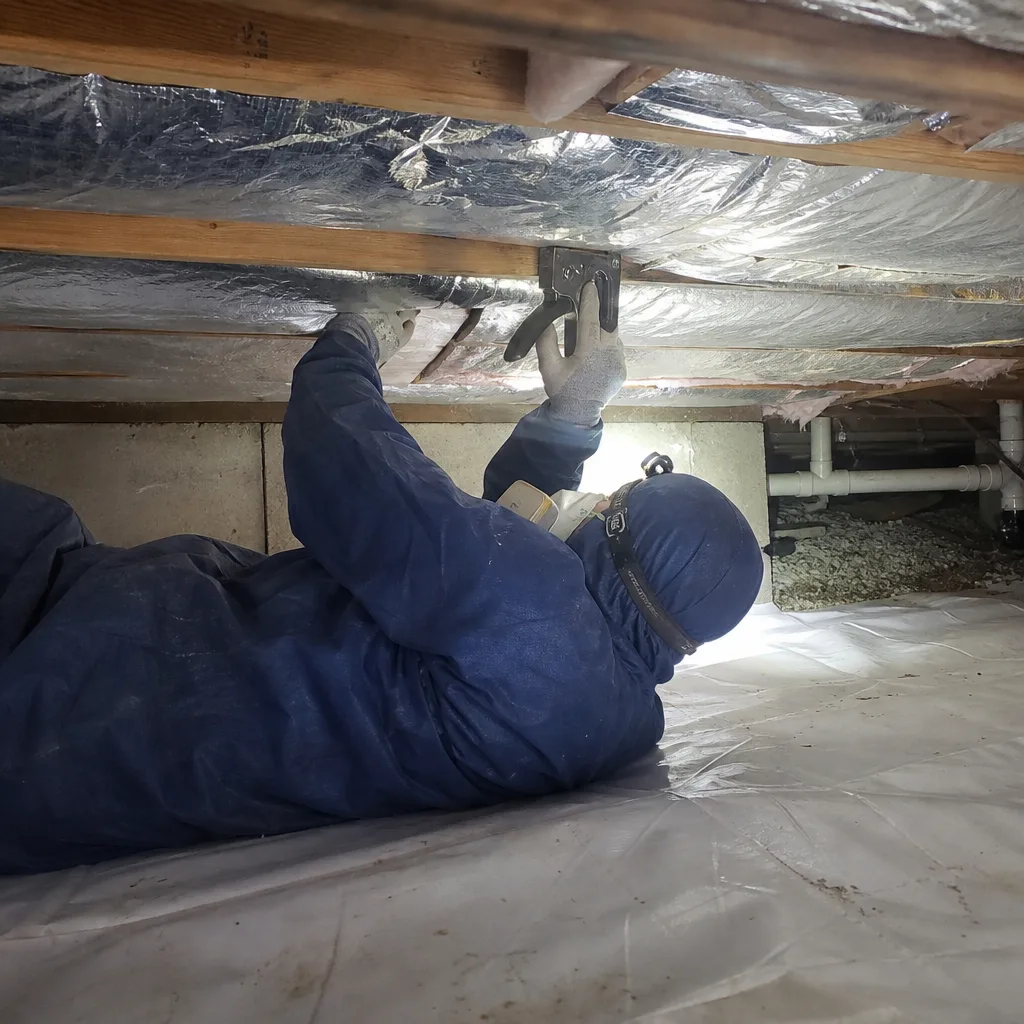
This guide was put together to reflect what attic cleaning and rodent proofing actually costs in the Palo Alto market in 2026 – not national averages, not ranges padded wide enough to be meaningless. Wes Okafor leads the team at Envelope Insulation Co., operating as Topside Attic Insulation Palo Alto, and has overseen attic remediation work in more than 9,000 homes across the Bay Area since 2016. Every job Wes’s team completes starts with a written price and ends with a documented photo record. On applicable jobs, before-and-after blower-door readings are provided so homeowners have a number – not a description – to show for the air-sealing work. The 365-Day Done Right Promise applies to all completed work: if it’s not right, we make it right, in writing, with no exceptions.
If you have a written estimate from another contractor and want a second opinion on whether the scope covers what your attic needs, that review is free. Bring the estimate. We’ll read it with you.
Call (650) 352-3577 to schedule a free attic assessment and receive a written price before any work begins. A live person answers that number – no voicemail loop, no callback window.
Written by Wes Okafor, Owner at Topside Attic Insulation Palo Alto (Envelope Insulation Co.), serving Palo Alto, CA since 2016. Pricing reflects the Palo Alto market as of 2026. Topside Attic Insulation Palo Alto offers free estimates – call (650) 352-3577.
What Our Customers Say
"Crawl space encapsulation done properly. Photographs of the vapour barrier at every seam, and the damp smell in the hallway is gone."
- Ainsley P."The winter gas bill dropped by about a third. They had estimated a quarter, so they under-promised."
- Genevieve R."They photographed rodent damage in the old insulation that we had no idea about, and priced the exclusion work separately so we could decide."
- Harriet N.