
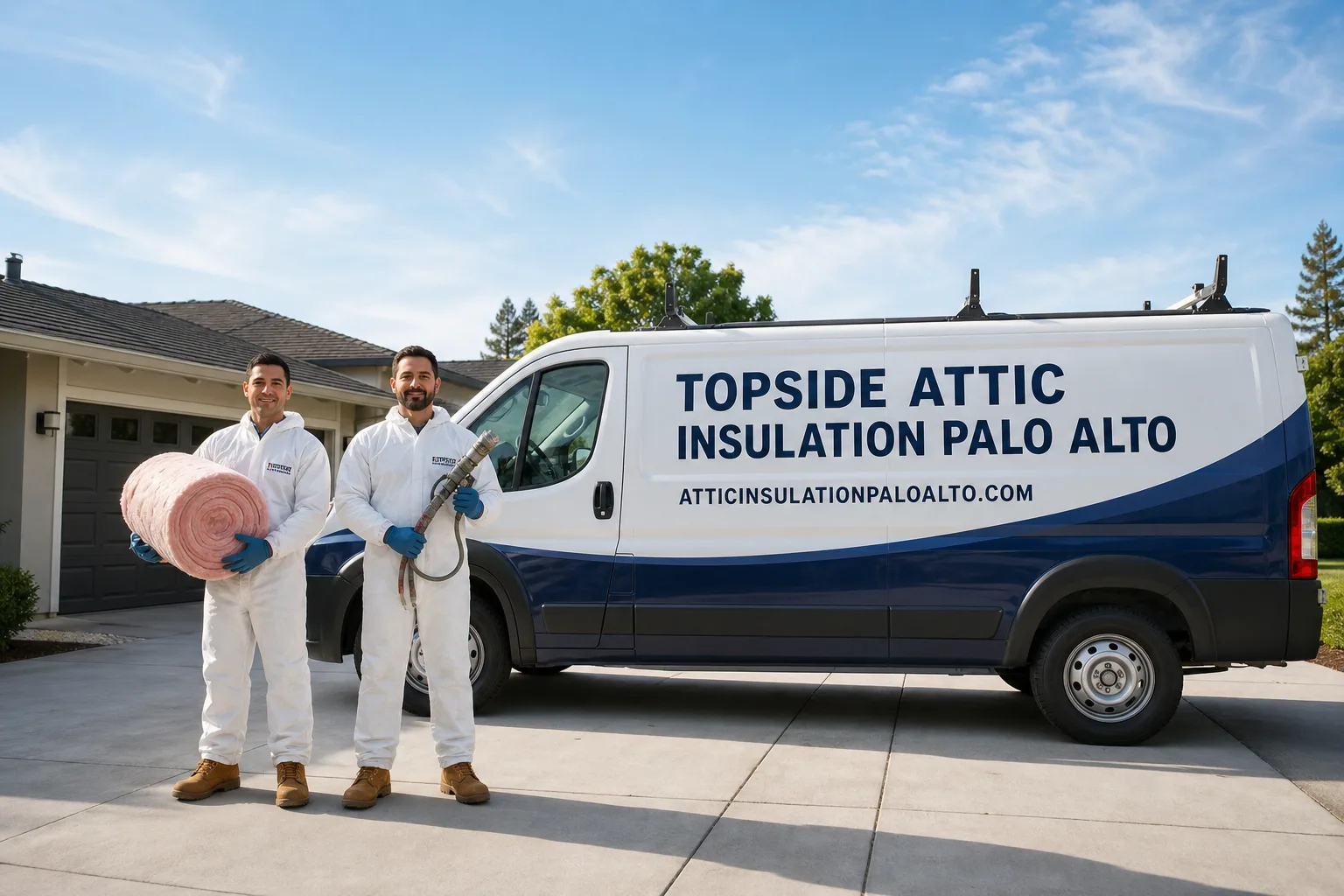
How Much Does Blown-In Insulation Cost in Palo Alto?
Blown-In Insulation services in Palo Alto, CA typically cost between $1,800 and $4,200 for a standard attic, depending on square footage, current insulation depth, and whether air sealing is completed first. Most Palo Alto homeowners with a 1,200-to-2,000-square-foot attic floor pay somewhere in the $2,200-$3,400 range for blown-in cellulose or fiberglass to code-required R-38 or R-49 depth. That number moves based on access conditions, the state of your existing insulation, and how many top plates and penetrations need to be sealed before the blower runs.
Blown-In Insulation Cost Breakdown (2026)
The table below reflects actual project ranges we see across Palo Alto and the surrounding Peninsula in 2026. These are not national averages pulled from a cost-estimating database – they reflect what jobs cost in a market where labor rates, permitting context, and energy efficiency standards sit noticeably above the national median.
| Project Type | Typical Palo Alto Range (2026) | Notes |
|---|---|---|
| Attic blown-in cellulose (1,000 sq ft, R-38) | $1,600 – $2,400 | Standard depth add, no removal needed |
| Attic blown-in cellulose (1,000 sq ft, R-49) | $1,900 – $2,800 | Full Title 24-compliant depth |
| Attic blown-in fiberglass (1,000 sq ft, R-38) | $1,700 – $2,500 | Slightly higher material cost than cellulose |
| Attic blown-in cellulose (2,000 sq ft, R-49) | $3,000 – $4,200 | Most common full-attic job in Palo Alto |
| Attic air sealing + blown-in cellulose (2,000 sq ft) | $3,800 – $5,400 | Sealing top plates, can lights, penetrations before blowing |
| Old insulation removal + replacement (1,500 sq ft) | $2,800 – $4,600 | Vacuum removal, disposal, and full reinstall |
| Blown-in wall insulation (per linear foot, dense-pack) | $3.50 – $6.50/linear ft | Requires drilling; older Palo Alto Eichlers often need this |
| Crawl space blown-in or batt insulation (1,000 sq ft) | $1,800 – $3,200 | Access difficulty affects cost significantly |
What Drives the Final Number Up or Down
Square footage is the biggest single variable, but it’s not the only one. In Palo Alto’s older housing stock – particularly the Eichler homes in Green Gables and the 1950s-era ranch houses in Barron Park – original construction details create conditions that add time and material: shallow attic clearances, radiant heat systems that run under the slab rather than through the attic, and open-plan ceiling designs that leave more penetrations exposed. Each of those adds labor hours.
Current insulation condition matters, too. A home that still has its original 3-inch fiberglass batt layer from 1968 may need that material removed before blown-in goes down – particularly if it’s compressed, rodent-damaged, or contaminated with debris. Removal adds $0.75 to $1.50 per square foot before the new material cost begins. And if the attic floor has never been air-sealed, blowing insulation on top of open top plates and unfoamed can lights is adding R-value without fixing the real problem: conditioned air bypassing the insulation layer entirely through gaps in the framing plane.
That last point is why Envelope Insulation Co. treats air sealing as a prerequisite, not an optional line item. Under Blown-In Insulation in Palo Alto jobs we complete through Wes Okafor’s team, the crew seals top plates, recessed light penetrations, and any framing gaps before the blower runs – then a blower-door test confirms the result in one number so the homeowner can see what changed.
What Affects Blown-In Insulation Pricing in Palo Alto
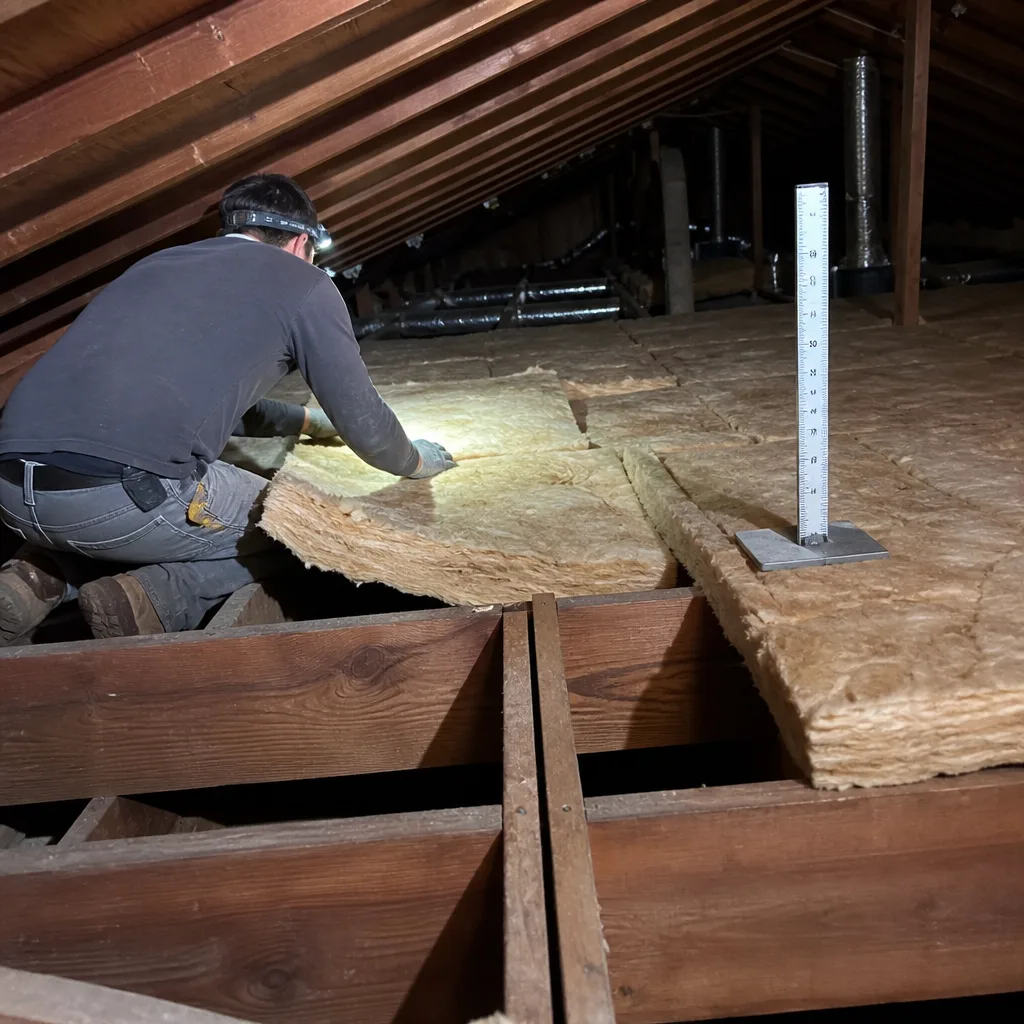
- Attic square footage and current R-value depth. California’s Title 24 energy code requires R-38 at minimum in Climate Zone 4, which covers Palo Alto, and most energy auditors and utilities now recommend R-49 for homes that were built before 2000. The gap between where a home sits today and where it needs to end up determines how much material gets blown in – and material is typically 40-50% of total project cost.
- Attic access and headroom. A full-height attic on a two-story home in Midtown Palo Alto is straightforward to work in. A low-slope hip roof on a Fairmeadow ranch house, where clearance drops to 18 inches at the eaves, takes longer to navigate safely and adds to the labor estimate. Access hatch size matters, too: a 14-by-22-inch pull-down stair allows equipment to move freely; a 12-by-12 scuttle does not.
- Air sealing scope before insulation. Homes built before 1980 – a large portion of Palo Alto’s housing stock in neighborhoods like Professorville and Old Palo Alto – frequently have uninsulated top plates, open chases between floors, and older recessed can lights with no air barrier. Sealing those penetrations with canned foam and mastic adds $400 to $900 to a typical project, but it’s the work that actually reduces heating and cooling load. Blowing insulation without doing this first is like putting a warm blanket over a window left cracked open.
- Material type: cellulose vs. fiberglass vs. mineral wool. Blown-in cellulose (typically GreenFiber or a comparable recycled-paper product) runs slightly less per bag than blown-in fiberglass (Johns Manville or Owens Corning AttiCat) and performs well in Palo Alto’s mild, occasionally damp climate because it handles humidity cycling without significant settling. Mineral wool (Rockwool) is denser and better for fire resistance but costs 20-35% more per square foot and is less common in standard attic top-up jobs. The right material depends on the assembly – we’ll specify which one fits the job in the written scope.
- Existing insulation condition and removal need. Compressed, moisture-damaged, or rodent-contaminated insulation typically needs to come out before new material goes in. Vacuum removal and disposal runs $1.00 to $1.75 per square foot in the Palo Alto market in 2026. If the old layer is clean and appropriately depth-marked, it can sometimes stay as a base layer, reducing total cost.
- Permit requirements and utility rebate paperwork. Palo Alto falls under the jurisdiction of the City of Palo Alto Building Department, and insulation work that accompanies structural changes or is part of a larger renovation may trigger a permit. Standalone attic insulation add-ons typically don’t require a permit in Palo Alto, but the homeowner should confirm with the building department if the project involves other envelope work. Separately, Peninsula Clean Energy and PG&E both offer rebates for attic insulation upgrades that reach R-30 or better – coordinating that paperwork adds some project-management time but often puts $200-$600 back in the homeowner’s pocket.
How to Save on Blown-In Insulation in Palo Alto
Apply for the Rebates Before You Write the Check
PG&E’s Energy Upgrade California program and Peninsula Clean Energy’s rebate structure both cover attic insulation improvements in Palo Alto. Rebate amounts vary by existing R-value, final installed depth, and whether air sealing is included – but a combined $300 to $700 return is realistic for a qualifying 2,000-square-foot attic job in 2026. The key step is confirming eligibility before the work starts, not after. Some rebates require a pre-work inspection or a specific contractor form. Ask for the written scope first, then check the rebate portal – the job documentation we provide (including blower-door readings and photo record) is exactly what the rebate applications ask for.
Don’t Skip Air Sealing to Save Money Up Front
This is the most expensive mistake we see in Palo Alto attics. A homeowner gets two competing quotes: one that includes air sealing for $3,600 and one that skips it for $2,400. They choose the lower number, get the insulation blown in, and their utility bills don’t move much because conditioned air is still bypassing the insulation layer through open top plates and recessed light penetrations. Two years later, the attic needs to be revisited to fix what wasn’t done the first time – at full labor cost, on top of what was already spent. Air sealing done alongside insulation costs less than air sealing done as a standalone retrofit later. The math is straightforward.
Combine Work When Possible
If your home also needs a radiant barrier, attic cleaning, or a vapor barrier in the crawl space, scheduling that work at the same time as blown-in insulation reduces mobilization costs. A crew already on-site and already moving through an attic can add a radiant barrier foil layer at lower incremental cost than a separate visit. The written scope will break out each line item so you can see what each element costs independently.
Get a Second Opinion on Any Competing Quote
Under the Haven Standard, Wes Okafor’s team at Envelope Insulation Co. offers a free second opinion on any written estimate you’ve already received. Bring the competing quote to your estimate appointment and we’ll read it with you – line by line, noting what’s included, what’s missing, and whether the material specs match what California’s Title 24 code requires at your address. There’s no obligation. The goal is to make sure you understand what you’re buying before you agree to it.
Request a Written Price Before Any Work Starts
This shouldn’t need to be said, but it does: any contractor who won’t give you a flat written price before work begins is leaving themselves room to adjust the number after the job is done. Under Haven Standard Clause 1, every Envelope Insulation Co. job starts with a written scope and a flat price – no work starts without it. Call (650) 352-3577 to schedule a free estimate, and you’ll have a written price in hand before any crew steps foot in the attic.
Palo Alto Market Context: Why Costs Run Higher Than State Averages
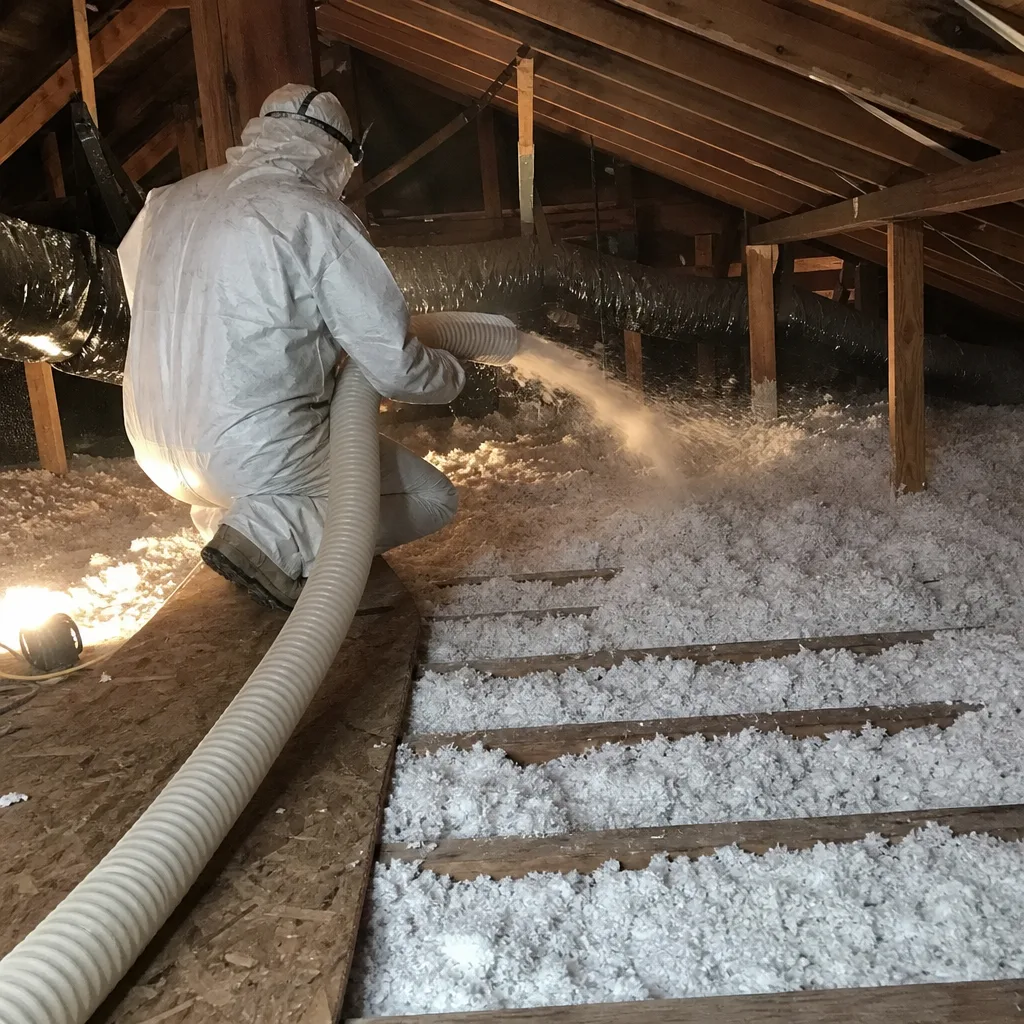
National cost guides often quote blown-in insulation at $1,200 to $2,500 for a 1,500-square-foot attic. Those numbers reflect labor markets in Sacramento, Fresno, or the Central Valley – not the San Francisco Peninsula. In Palo Alto, the cost of living for a skilled insulation technician is meaningfully higher, and that’s reflected in wages. A job that takes the same number of crew-hours costs more here than it does 90 miles inland, and it should: the person doing the work is paying Peninsula housing costs.
Beyond labor, Palo Alto’s housing stock creates specific conditions that add scope. The Eichler homes concentrated in Greenmeadow, Green Gables, and Fairmeadow were built with radiant-heated concrete slab floors and post-and-beam roof structures – which means the attic geometry is unlike a conventional stick-frame home. The “attic” in a flat-roof Eichler is often a 10-to-14-inch plenum between the ceiling deck and the roofing material, not a walkable space. Blown-in insulation into that assembly requires different nozzle configurations and slower, more deliberate coverage to hit target depth uniformly. That adds time.
Older Victorian-era homes in Professorville and the older sections of Crescent Park also present their own challenges: balloon-frame wall cavities that run floor-to-ceiling without fire blocking, plaster-and-lath ceilings that require a different approach than drywall, and historical material conditions (vermiculite in a small number of older attics, for instance) that need assessment before any work starts. If an attic has been flagged for potential vermiculite-containing insulation, that material requires sampling and, if confirmed, professional abatement before blown-in can proceed – an entirely separate scope with its own cost structure.
None of this means Palo Alto insulation work is unaffordable. It means the estimate needs to reflect the actual job – which is why a written scope, done by someone who has been in the attic, is the only pricing you should act on.
What You Should Receive After the Job Is Done
A completed blown-in insulation job should come with documentation, not just a handshake. At a minimum, that means a photo record showing pre-work attic conditions, depth markers in place after blowing, and any air sealing work completed at top plates and penetrations. On jobs where air sealing is part of the scope, Envelope Insulation Co. provides before-and-after blower-door readings – a single number, measured in CFM50 (cubic feet per minute of airflow at 50 Pascals of pressure), that shows how much conditioned air the home’s envelope was losing before the work and how much it loses after. In Palo Alto homes that haven’t been air-sealed, we regularly see pre-sealing blower-door readings of 3,500 to 5,500 CFM50 drop to 1,800 to 2,800 CFM50 after a thorough top-plate and penetration sealing – a measurable change that corresponds to lower heating and cooling demand.
You should also receive a written warranty before work begins, not after. The 365-Day Done Right Promise applies to every job: if it’s not done right, we make it right. That promise is written into the scope document you sign before anyone lifts a tool, so you know exactly what recourse you have before you’ve committed anything.
FAQs – Blown-In Insulation Cost in Palo Alto
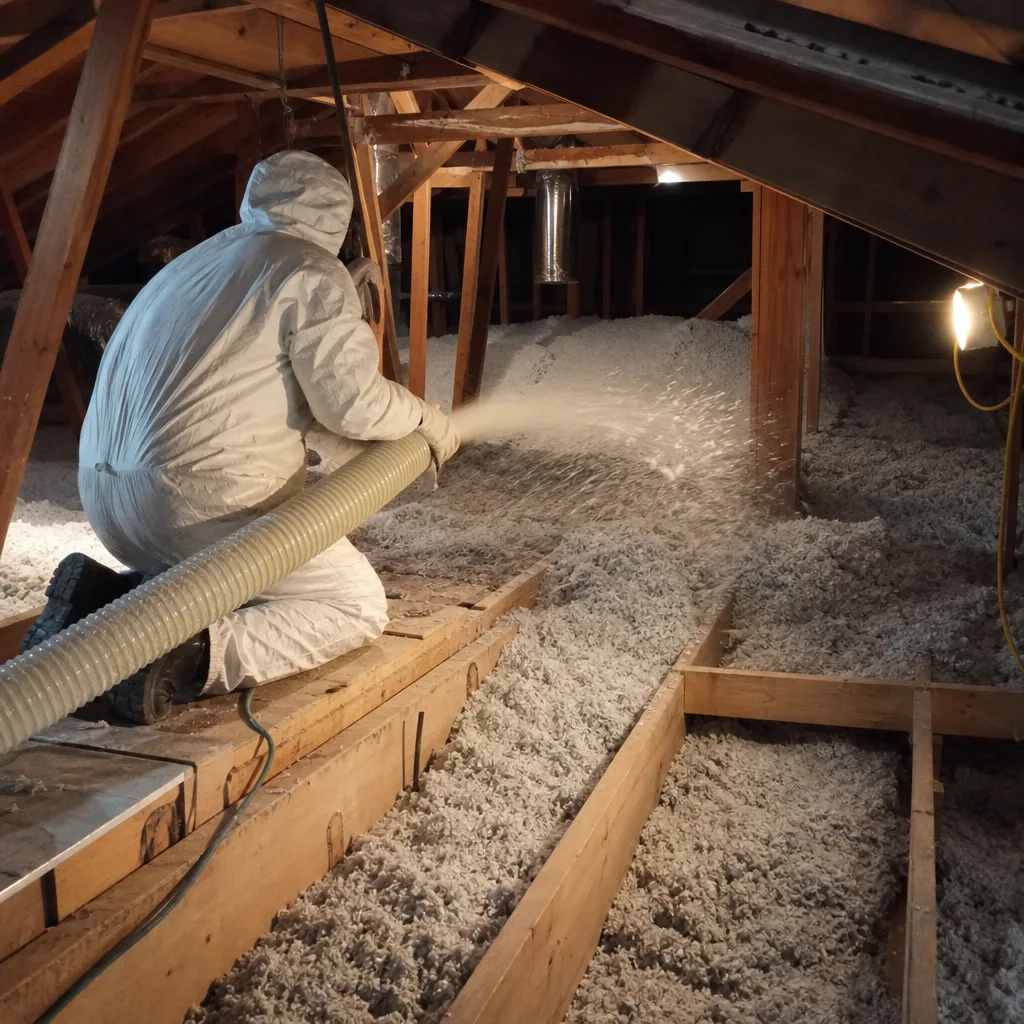
How much does blown-in insulation cost in Palo Alto for an average attic?
Most Palo Alto attic insulation jobs run between $2,200 and $4,200 for a 1,200-to-2,000-square-foot attic floor brought to R-49 with blown-in cellulose or fiberglass. That range assumes the existing insulation stays in place as a base layer and the attic is reasonably accessible. If old insulation needs to come out first, add $1,000 to $2,200 for a space that size. If air sealing is included – which it should be in any home built before 1990 – add $400 to $900. Call (650) 352-3577 for a free written estimate specific to your address.
Is cellulose or fiberglass blown-in insulation better for Palo Alto’s climate?
Both perform well in Climate Zone 4, and the honest answer is that material selection matters less than installation depth and air sealing quality. That said, blown-in cellulose handles the mild humidity cycling on the Peninsula slightly better than standard fiberglass and costs marginally less per bag. Blown-in fiberglass (Owens Corning AttiCat or Johns Manville) settles less over time and is a good choice in attics where moisture intrusion is a recurring concern. The written scope we provide will specify which material fits the assembly – you won’t be locked into a proprietary product.
Do I need a permit for blown-in insulation in Palo Alto?
Standalone attic insulation upgrades – adding blown-in material to an existing attic without structural changes – typically do not require a permit from the City of Palo Alto Building Department. However, if the insulation work is part of a larger renovation, involves changes to the roofline, or accompanies electrical or HVAC modifications, a permit may be required. When in doubt, a quick call to the City of Palo Alto Building & Planning Division at their public counter line will confirm. We’ll note any permit considerations in the written scope before work starts.
Can I get a rebate for blown-in insulation in Palo Alto?
Yes. PG&E and Peninsula Clean Energy both offer rebates for qualifying insulation upgrades in Palo Alto. Amounts vary, but a well-documented attic job that includes air sealing and reaches R-30 or better can yield $200 to $700 in combined rebates in 2026. The documentation we provide – blower-door readings, photo record, written scope with material specs – is exactly what those rebate applications require. Ask about rebate coordination when you call for your estimate at (650) 352-3577.
Is it cheaper to repair or replace old blown-in insulation in Palo Alto?
If the existing insulation is dry, uncontaminated, and simply shallow, a top-up job costs $800 to $1,800 less than a full removal-and-replacement. We’ll pull depth measurements across the attic floor during the estimate visit to determine whether what’s there is worth keeping. If the material is compressed to the point where it’s lost meaningful R-value, contaminated by rodent activity, or wet from a past roof leak, removal is the right call – and the cost of doing it again on top of damaged material later is always higher than the removal cost now. Wes Okafor’s team will give you the honest assessment in writing before recommending either path.
How long does blown-in insulation installation take in a Palo Alto home?
A standard attic top-up on a 1,500-square-foot attic floor – air sealing included – takes most crews four to seven hours to complete, including setup and cleanup. Full removal and replacement on a similar footprint typically runs one full day. Unusual attic configurations – low-slope hip roofs, Eichler plenums, split-level homes in Midtown or Barron Park with multiple attic zones – add time and will be noted in the scope before the job is scheduled.
Key Takeaways
- Blown-in insulation in Palo Alto costs $1,800 to $5,400 for most residential attic projects in 2026, depending on square footage, material depth, and whether air sealing and removal are included.
- California Title 24 requires R-38 minimum in Climate Zone 4 (Palo Alto); R-49 is the current recommended standard for pre-2000 construction.
- Air sealing before insulation is not optional if you want the work to actually reduce heating and cooling load – sealing top plates and penetrations first is the step that makes insulation perform as rated.
- PG&E and Peninsula Clean Energy rebates can return $200 to $700 on qualifying jobs – coordinate this before work starts, not after.
- Every Envelope Insulation Co. job starts with a written price (Haven Standard Clause 1) and ends with a documented photo record and, where applicable, before-and-after blower-door readings.
- Free second opinions on competing written estimates are available – bring any quote you’ve received to your estimate appointment.
Get a Written Price for Your Palo Alto Home
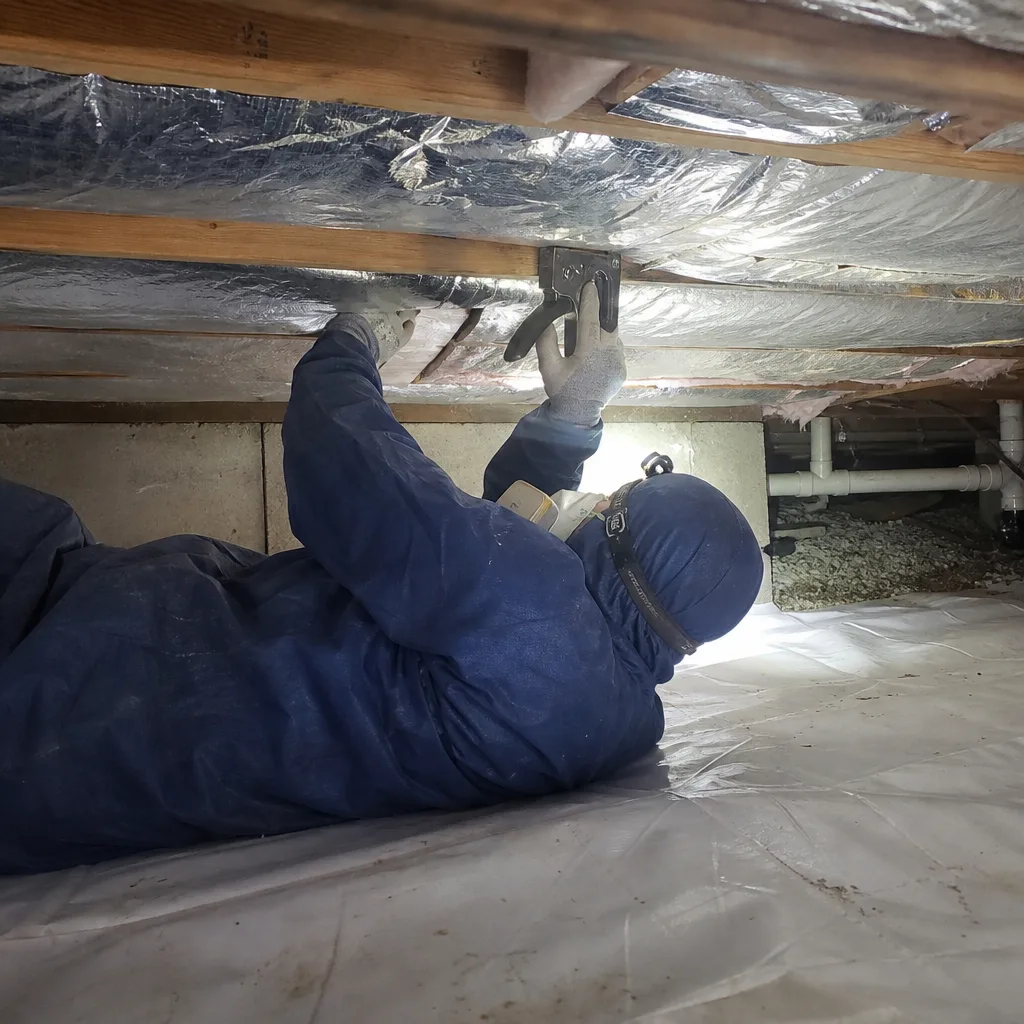
Wes Okafor and the team at Envelope Insulation Co. have completed work on more than 9,000 homes since 2016, every one with a written price before work started and a documented record when the crew left. If you’re a Palo Alto homeowner trying to figure out what blown-in insulation will actually cost at your address – not a national average, but a flat written number for your attic – that starts with a free estimate visit. You can learn more about our approach on our home page, or call (650) 352-3577 directly to schedule. A live person answers 24/7, no voicemail loops, no callback windows measured in business days. You’ll have a written price in hand before anyone touches the attic.
Pricing reflects the Palo Alto market as of 2026. Topside Attic Insulation Palo Alto offers free estimates – call (650) 352-3577.
Written by Wes Okafor, Owner at Envelope Insulation Co., serving Palo Alto since 2016.
What Our Customers Say
"Crawl space encapsulation done properly. Photographs of the vapour barrier at every seam, and the damp smell in the hallway is gone."
- Ainsley P."The winter gas bill dropped by about a third. They had estimated a quarter, so they under-promised."
- Genevieve R."They photographed rodent damage in the old insulation that we had no idea about, and priced the exclusion work separately so we could decide."
- Harriet N.